

What is a Sand and Soil Material Pneumatic Conveying Machine? And What Are Its Design Principles?
When it comes to efficiently transporting bulk materials like sand and soil, pneumatic conveying systems have emerged as a reliable and versatile solution in various industrial applications. These systems utilize air or gas to move materials through a pipeline, offering advantages such as minimal maintenance, reduced contamination, and the ability to handle a wide range of particle sizes and moisture content. Understanding the core components and design principles of a sand and soil material pneumatic conveying machine is crucial for optimizing material handling processes in construction, mining, and other sectors.
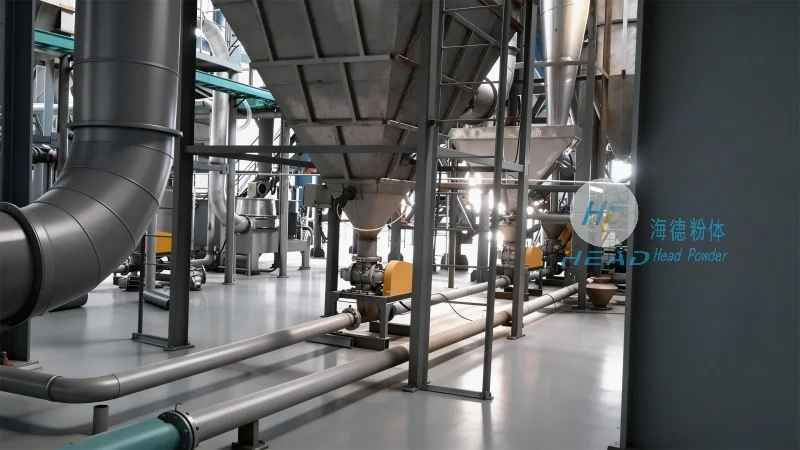
Introduction to HeadPowder and Its Expertise
HeadPowder, a leading manufacturer based in Shandong, China, specializes in the design, development, and production of advanced pneumatic conveying equipment. With years of experience in the industry, the company has built a strong reputation for delivering high-quality, customized solutions tailored to the specific needs of clients. The company's commitment to innovation and precision engineering ensures that their products meet the highest standards of performance and durability.
Overview of Sand and Soil Material Pneumatic Conveying Machines
A sand and soil material pneumatic conveying machine is a specialized system engineered to transport loose, granular materials like sand, soil, and similar bulk solids through an enclosed pipeline using compressed air. This technology eliminates the need for traditional mechanical conveyors, which can be prone to wear and tear, and reduces the risk of material contamination. The system typically consists of a hopper for material storage, a blower or compressor to generate the necessary air pressure, a pipeline network to guide the material flow, and a discharge point for the delivered material. The design of such a machine is critical to ensure efficient and reliable operation, especially when handling abrasive or moisture-rich materials like sand and soil.
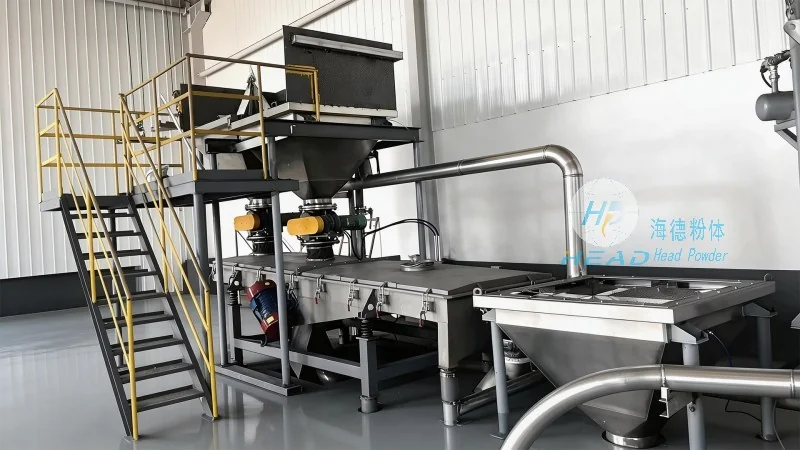
Key Design Principles for Efficient Material Handling
The design of a sand and soil material pneumatic conveying machine is governed by several fundamental principles aimed at maximizing efficiency, minimizing energy consumption, and ensuring the longevity of the system. One of the primary considerations is the selection of the appropriate air velocity and pressure. High air velocity is required to overcome the resistance of the material particles and maintain a consistent flow, while excessive pressure can lead to increased energy costs and potential damage to the pipeline. Engineers at HeadPowder carefully calculate the required air velocity based on the material's density, particle size distribution, and moisture content to achieve optimal performance.
Another critical design aspect is the configuration of the pipeline system. The layout of the pipeline, including the number of bends, elbows, and vertical sections, directly impacts the system's efficiency and pressure drop. Properly designed elbows and bends minimize friction losses and prevent material deposition or blockages. The use of smooth, corrosion-resistant materials for the pipeline, such as stainless steel or high-density polyethylene, is essential to handle abrasive sand and soil particles and resist corrosion from moisture or chemicals.
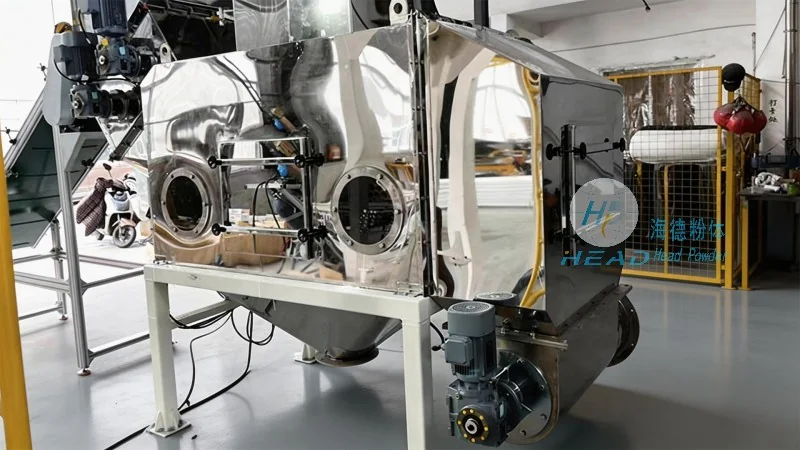
The hopper and discharge system also play vital roles in the overall design. The hopper is designed to feed material into the pipeline at a controlled rate, preventing overloading and ensuring a steady flow. The discharge point is engineered to efficiently release the material without causing backflow or pressure fluctuations. HeadPowder incorporates advanced feeding mechanisms, such as rotary valves or screw feeders, to maintain consistent material flow and prevent clogging, which is particularly important when handling cohesive or moist soil.
Advantages of Using Pneumatic Conveying for Sand and Soil
Implementing a sand and soil material pneumatic conveying machine offers numerous benefits for industrial operations. One of the most significant advantages is the reduction in labor costs and operational complexity compared to traditional conveyor systems. The absence of moving parts in the pipeline minimizes maintenance requirements and extends the service life of the equipment. Additionally, pneumatic conveying systems are highly adaptable, allowing for flexible layout configurations and easy integration with existing facilities.
Environmental benefits are another key advantage. Unlike mechanical conveyors that may generate dust and noise, pneumatic systems are enclosed, reducing dust emissions and noise pollution. This makes them suitable for applications where environmental compliance is a priority. The system also minimizes material spillage and contamination, as the material remains contained within the pipeline throughout the transport process.
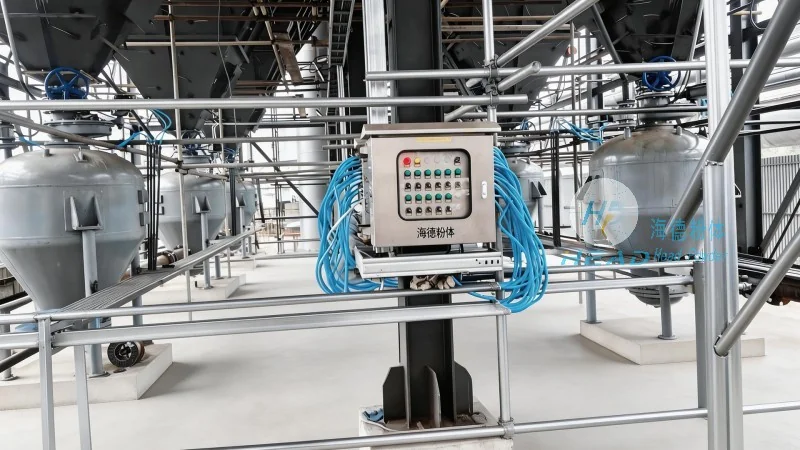
Furthermore, pneumatic conveying enables the transport of materials over long distances and vertical elevations without the need for intermediate transfer points. This capability is particularly valuable in construction sites or mining operations where materials need to be moved from ground level to elevated storage areas or processing facilities. The ability to handle a wide range of particle sizes and moisture content makes the system versatile for various applications, from fine sand to coarser soil aggregates.
Conclusion: The Role of HeadPowder in Advancing Pneumatic Conveying Technology
In conclusion, a sand and soil material pneumatic conveying machine is a sophisticated and efficient solution for transporting bulk materials in industrial settings. The design principles, including proper air velocity and pressure management, optimized pipeline layout, and reliable feeding and discharge systems, are essential for ensuring the system's performance and longevity. HeadPowder, with its expertise and commitment to quality, provides comprehensive solutions that meet the diverse needs of clients in the construction, mining, and other sectors. By leveraging advanced engineering and innovative design, HeadPowder continues to advance the technology of pneumatic conveying, helping industries achieve higher efficiency, lower operational costs, and improved environmental performance.