

What is a Graphite Electrode Material Pneumatic Conveying Line? What Are Its Design Principles?
Graphite electrode material pneumatic conveying lines are specialized industrial systems designed to transport graphite electrode powders or granules using air or gas as the conveying medium. These systems are crucial in the manufacturing processes of graphite electrodes, offering an efficient and dust-free method for moving materials from one location to another within a production facility. The technology leverages the principles of pneumatic transport, where particles are suspended and propelled by a moving air stream through a network of pipes and components.
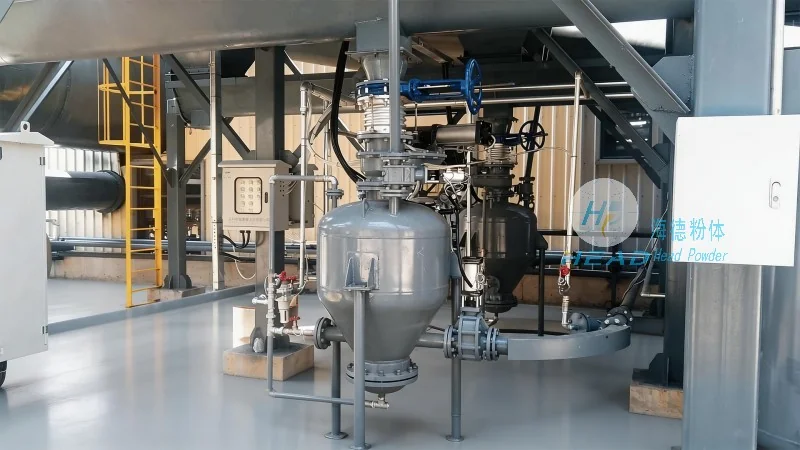
Introduction to Graphite Electrode Material Pneumatic Conveying Lines
At the heart of many modern graphite electrode production facilities, pneumatic conveying lines serve as the backbone for material handling. Unlike traditional mechanical conveyors, which rely on belts, chains, or screws, pneumatic systems use compressed air to move materials, eliminating the need for physical contact and reducing the risk of contamination or material degradation. This makes them particularly suitable for handling fine powders and granules, such as those used in the production of high-purity graphite electrodes. The system typically consists of a source of material, a feeding mechanism, a conveying pipeline, and a collection or discharge point, all integrated to ensure smooth and continuous material flow.
Core Design Principles of Pneumatic Conveying Systems for Graphite Electrodes
The design of a graphite electrode material pneumatic conveying line is governed by several key principles that ensure optimal performance, efficiency, and reliability. First, the selection of the appropriate conveying method—whether it is dilute-phase or dense-phase—depends on the characteristics of the graphite material, such as particle size, density, and moisture content. Dilute-phase systems use higher air velocities to keep particles suspended, suitable for long-distance or high-volume transport, while dense-phase systems employ lower velocities and higher pressure to move material in a more controlled manner, minimizing particle degradation. Second, the design must consider the air pressure and flow rate required to achieve the desired conveying velocity. This is calculated based on the material's aerodynamic properties and the system's layout, including pipe diameter, length, and bends. Third, the system must incorporate proper filtration and separation mechanisms to prevent material buildup and maintain air quality, as graphite particles can be fine and easily clogged in the system.
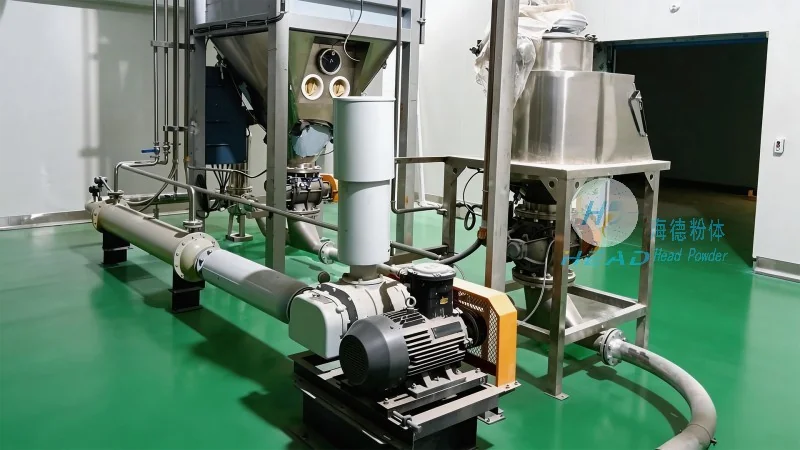
Key Components and Their Functions in the System
Several critical components make up a complete pneumatic conveying line for graphite electrodes. The primary components include the material feeder, which controls the flow rate of the graphite material into the system; the air compressor or blower, which provides the necessary pressure and volume of air; the conveying pipeline, which transports the material and air mixture; the separation or collection unit, which separates the material from the air at the discharge end; and the filtration system, which cleans the air before it is released back into the environment. Each component plays a vital role in ensuring the system operates efficiently and safely. For instance, the feeder must be designed to handle the specific characteristics of graphite powders, such as their tendency to agglomerate, to prevent blockages. The pipeline design, including the use of smooth, corrosion-resistant materials like stainless steel or PTFE, is essential to minimize friction and material wear. The separation unit, often a cyclone or bag filter, is crucial for capturing fine particles and preventing them from escaping into the atmosphere, thus maintaining environmental compliance.
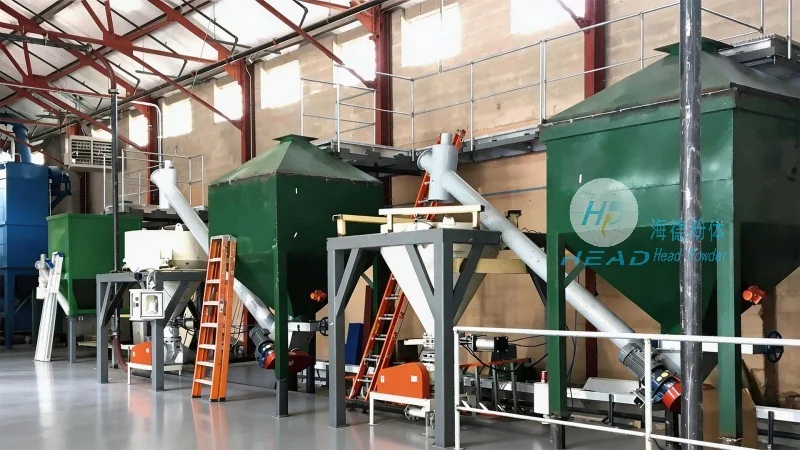
Application of Pneumatic Conveying Lines in Graphite Electrode Production
In the context of graphite electrode manufacturing, pneumatic conveying lines are used at various stages of the production process. For example, they can transport raw graphite ore from storage to the grinding and milling units, where it is converted into fine powders. The system can then move these powders to the mixing and compaction stages, where they are combined with binders and other additives. Finally, the conveying line may transport the finished electrode material to the molding or sintering equipment. By integrating these stages with a pneumatic conveying system, manufacturers can achieve a continuous and automated production flow, reducing labor costs and improving overall productivity. The ability to handle fine powders without the need for manual handling also enhances workplace safety, as it minimizes exposure to dust and reduces the risk of accidents associated with mechanical conveyors.
About Shandong HeadPowder Engineering Co., Ltd.
Shandong HeadPowder Engineering Co., Ltd., commonly known as HeadPowder, is a leading manufacturer and supplier of specialized material handling equipment, including pneumatic conveying systems for graphite electrodes. The company is headquartered in Shandong, China, and has established itself as a trusted partner in the graphite and carbon industry. HeadPowder specializes in designing and manufacturing customized pneumatic conveying lines tailored to the specific needs of its clients, ensuring that the systems meet the highest standards of efficiency, reliability, and safety. The company's products are widely used in graphite electrode production facilities worldwide, contributing to improved production processes and enhanced product quality. With a commitment to innovation and quality, HeadPowder continues to serve the industry with advanced material handling solutions.