

What is a Gravity Dust Removal Material Pneumatic Conveying Line? What is its Design Principle?
For industrial applications that require efficient handling of fine dust and particulate materials, the gravity dust removal pneumatic conveying line emerges as a specialized solution. This system is engineered to manage the transport of dry, powdery substances while simultaneously incorporating dust filtration and separation processes. As a key component in material handling infrastructure, it combines the functionality of pneumatic conveying with advanced dust control mechanisms, making it suitable for industries such as cement, chemical, and food processing.
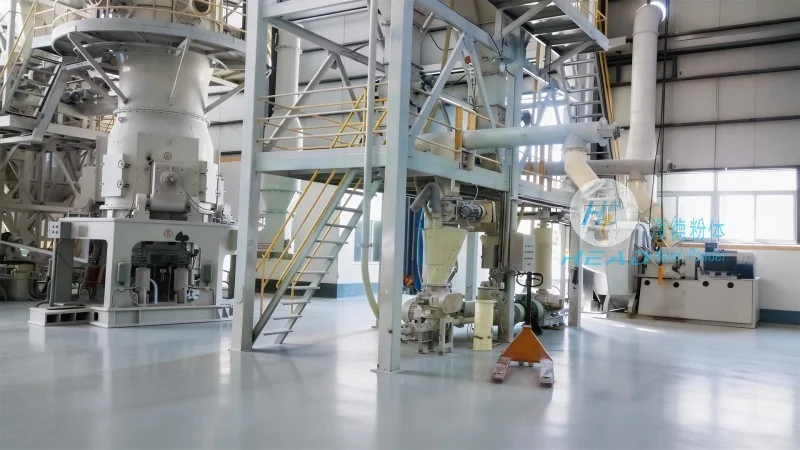
Core Components and Functionality of the System
The gravity dust removal material pneumatic conveying line typically consists of several critical components that work in concert to achieve its objectives. The primary elements include a material feed hopper, a conveying pipeline system, a dust separator (often a cyclone or bag filter), and a discharge outlet for the processed material. The feed hopper is designed to store and meter the incoming bulk material, ensuring a consistent flow into the conveying line. The pipeline, usually made of stainless steel or other corrosion-resistant materials, transports the material and air mixture from the feed point to the dust removal unit.
At the heart of the system is the dust separator, which is responsible for separating the fine dust particles from the conveying air. In a typical cyclone separator, the air-material mixture enters at high velocity and is forced to change direction, causing the heavier dust particles to settle out due to centrifugal force. These separated particles are then collected in a hopper for disposal or further processing. The cleaned air, now free of dust, is either vented to the atmosphere or recirculated back into the conveying system, depending on the specific design and environmental regulations.
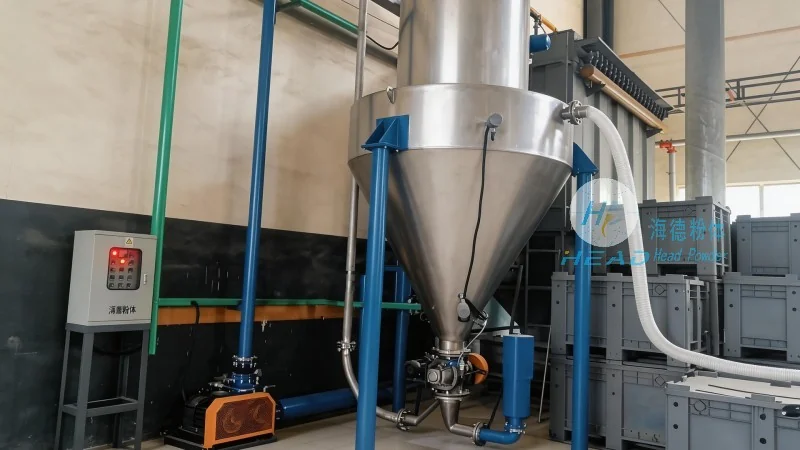
Design Principles and Engineering Considerations
The design of a gravity dust removal pneumatic conveying line is guided by several fundamental principles aimed at optimizing performance, efficiency, and reliability. One of the key design considerations is the balance between the conveying velocity and the material's properties. The velocity must be sufficient to overcome the gravitational forces acting on the particles but not so high as to cause excessive wear on the equipment or generate excessive dust. Engineers often use the concept of the "critical velocity" to determine the optimal air flow rate, which is the minimum velocity required to keep the material suspended in the air stream.
Another critical aspect is the selection of the appropriate dust removal technology. The choice between a cyclone separator, a bag filter, or a combination of both depends on the particle size distribution, the dust concentration, and the required filtration efficiency. Cyclone separators are generally more suitable for larger particles and higher flow rates, while bag filters offer higher efficiency for finer particles and lower flow rates. The system's design also incorporates features to minimize pressure drop and energy consumption, such as using smooth pipeline surfaces and optimizing the angle and diameter of the cyclone cones.
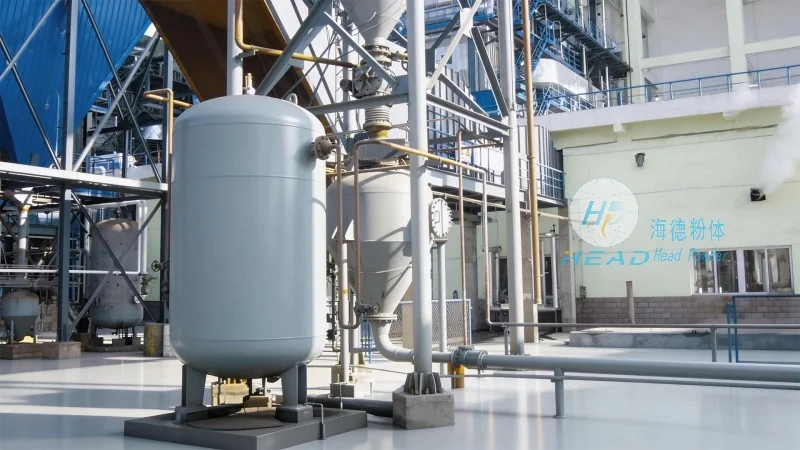
Applications and Benefits in Industrial Settings
Gravity dust removal pneumatic conveying lines find widespread application in various industrial sectors where the handling of fine powders is essential. In the cement industry, for example, these systems are used to transport raw materials and finished products while preventing dust emissions that could affect both worker health and environmental compliance. In the chemical industry, they facilitate the transport of reactive powders and help maintain a controlled environment by capturing and filtering dust particles. The food processing industry also benefits from these systems, as they ensure that the handling of food-grade powders is done in a hygienic manner, with minimal contamination and dust generation.
The primary benefits of implementing such a system include improved operational efficiency, reduced maintenance costs, and enhanced safety. By integrating dust removal directly into the conveying process, the system eliminates the need for separate dust collection equipment, simplifying the overall material handling workflow. This integration also reduces the risk of dust explosions and improves workplace air quality, contributing to a safer working environment. Additionally, the use of gravity-based separation minimizes the energy consumption compared to other conveying methods, making it a cost-effective solution for long-distance material transport.
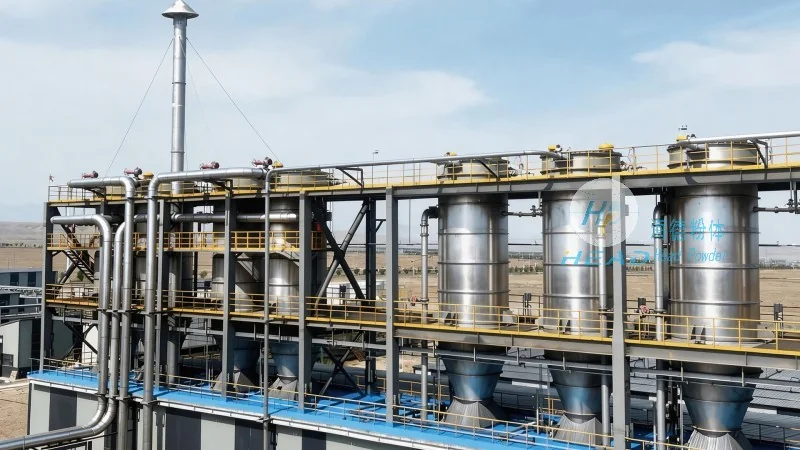
Company Overview: Shandong HeadPowder Engineering Co., Ltd.
Shandong HeadPowder Engineering Co., Ltd., based in Shandong, China, is a leading manufacturer and supplier of advanced material handling solutions, including gravity dust removal pneumatic conveying lines. With a strong focus on research and development, the company specializes in designing customized systems tailored to the specific needs of its clients. The company's engineering team leverages years of experience in the industry to develop innovative solutions that address the unique challenges faced by different sectors. By adhering to international quality standards and employing advanced manufacturing techniques, Shandong HeadPowder ensures that its products meet the highest performance and reliability criteria.
The company's commitment to customer satisfaction is reflected in its comprehensive after-sales service, which includes installation support, maintenance training, and technical assistance. By providing end-to-end solutions, Shandong HeadPowder helps its clients optimize their material handling processes, reduce operational costs, and enhance overall productivity. With a reputation for excellence and reliability, the company has established itself as a trusted partner in the global material handling industry.