With more than 10‑year industry experience, Shandong Headpowder delivers full‑service pneumatic‑conveying systems and blowers, undertaking nationwide turn‑key powder‑handling projects.
HeadPowder, the professional brand of Shandong HeadPowder Engineering Co., Ltd., specializes in the design, manufacturing, and implementation of advanced pneumatic conveying systems. With headquarters in Shandong, China, the company has established itself as a leading provider of customized solutions for material handling, particularly in the processing of fine powders like iron oxide. HeadPowder's commitment to innovation and quality ensures that clients receive systems tailored to their specific operational needs, whether in industrial manufacturing, chemical processing, or other sectors requiring reliable material transport.
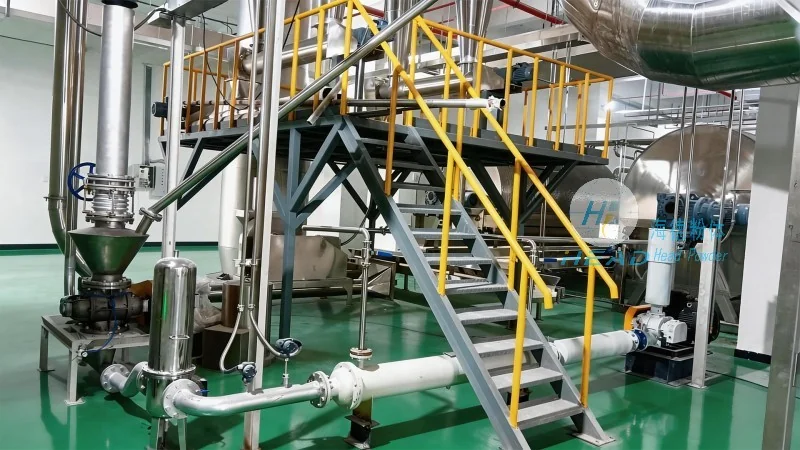
Pneumatic conveying systems are critical for the efficient transport of iron oxide powder from storage to processing equipment. These systems utilize air or other gases to move material through a network of pipes and components, offering advantages such as reduced equipment wear, lower maintenance costs, and the ability to handle sensitive materials without degradation. The choice of conveying mode—positive pressure or negative pressure—significantly impacts system design, operational efficiency, and suitability for different applications.
Positive pressure conveying systems operate by blowing air or gas into the material stream, creating a pressure differential that propels the powder forward. This mode is ideal for long-distance transport, high-volume applications, and situations where the material may be prone to caking or agglomeration. The system typically includes a blower at the discharge end, which forces air into the line, ensuring consistent flow and preventing material buildup. Positive pressure systems are commonly used in industries where material is transferred from a central storage point to multiple processing locations, such as in chemical plants or large-scale manufacturing facilities.
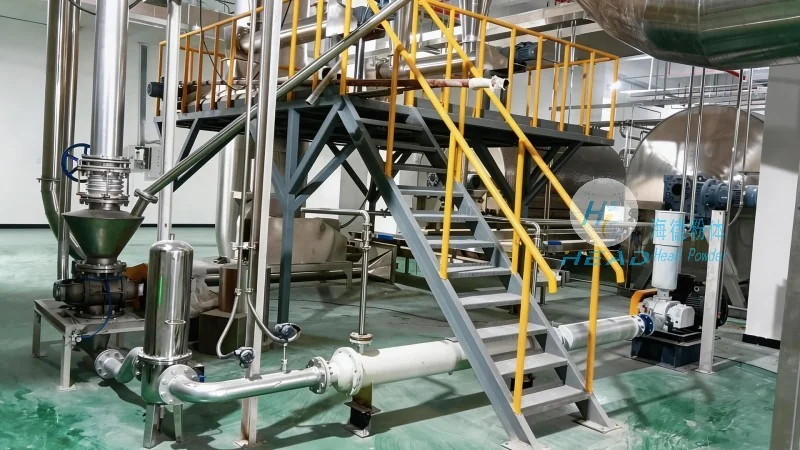
Negative pressure conveying, on the other hand, draws material into the system using a vacuum or suction created by a fan or blower at the intake end. This mode is well-suited for applications requiring gentle handling of delicate powders, as the suction process minimizes particle breakage and maintains material integrity. Negative pressure systems are often preferred in environments where dust control is a priority, as the sealed system prevents airborne particles from escaping. However, they may have limitations in terms of maximum transport distance and material capacity compared to positive pressure systems.
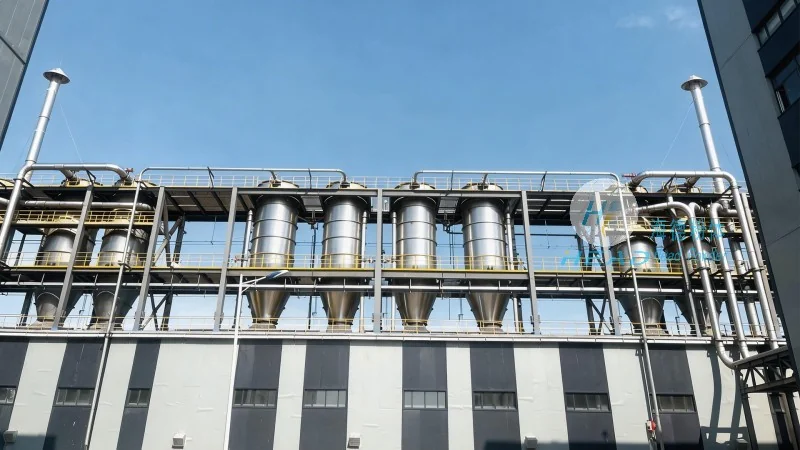
HeadPowder's iron oxide powder pneumatic conveying systems are engineered to address the unique challenges of transporting fine iron oxide powders. The systems incorporate advanced components, including high-efficiency blowers, specialized ductwork, and intelligent control systems, to ensure optimal performance. Key features include adjustable air flow rates, which allow for precise control over material velocity and pressure, reducing the risk of system overload or material degradation. The use of corrosion-resistant materials in the construction of ducts and components ensures durability in environments where iron oxide powder may cause chemical reactions or abrasion.
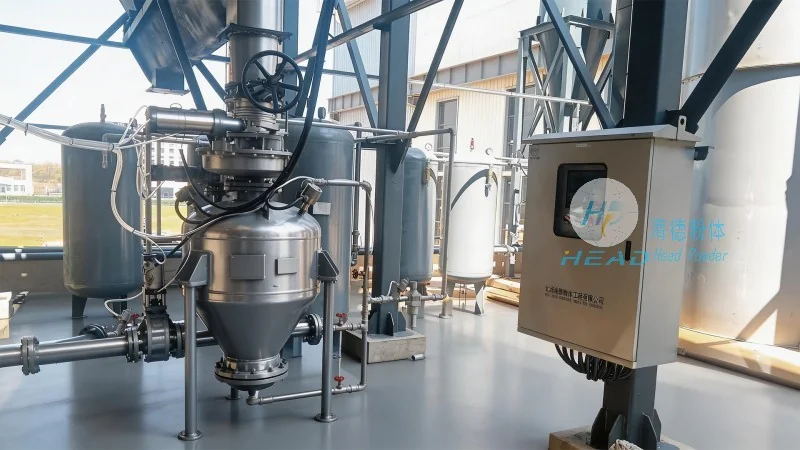
The systems are designed with safety and efficiency in mind, incorporating features such as automatic shut-off valves, pressure relief mechanisms, and real-time monitoring of flow rates and pressure. These controls help maintain consistent material transport, minimize downtime, and enhance overall operational reliability. Additionally, HeadPowder's systems are scalable, allowing for customization to accommodate varying production volumes and process requirements, from small-scale laboratory applications to large industrial operations.
The selection between positive pressure and negative pressure pneumatic conveying modes for iron oxide powder depends on several factors, including the distance of transport, material characteristics, operational environment, and cost considerations. Positive pressure systems are generally more suitable for long-distance, high-volume applications, while negative pressure systems excel in scenarios requiring gentle handling and strict dust control. HeadPowder's expertise in both modes enables clients to choose the most appropriate solution for their specific needs, ensuring efficient, reliable, and cost-effective material transport. By leveraging advanced technology and tailored system design, HeadPowder continues to provide industry-leading pneumatic conveying solutions for iron oxide powder and other fine materials.

 Shandong Headpowder Engineering Co., Ltd.
 156-6277-7102(Manager Zhang)
  0531-83386006
  Zhangqiu District, Jinan City, Shandong Province, China
telephone
WeChatconsult
top