With more than 10‑year industry experience, Shandong Headpowder delivers full‑service pneumatic‑conveying systems and blowers, undertaking nationwide turn‑key powder‑handling projects.
Pneumatic conveying systems are widely used in the spice industry for their efficiency in transporting bulk materials. However, a common challenge in these systems is the risk of pipe blockages, which can disrupt operations and lead to costly downtime. Understanding and implementing the right design parameters is crucial to mitigate this risk and ensure smooth, uninterrupted spice transportation. This article explores effective strategies to prevent pipe blockages in pneumatic conveying systems, focusing on key design considerations that are particularly relevant for spice handling.
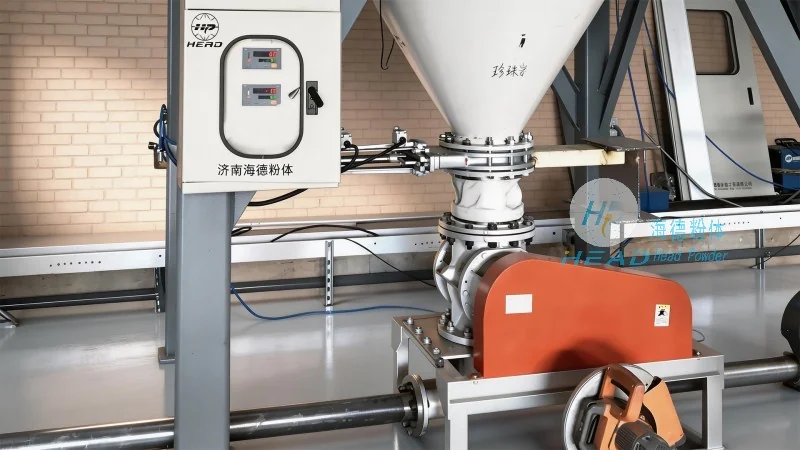
Spices, with their diverse textures and varying moisture content, can present unique challenges when conveyed through pneumatic systems. Particulate size, density, and flow characteristics are critical factors that influence the likelihood of blockages. When particles are too large or have high moisture content, they may agglomerate or stick to the pipe walls, leading to clogs. Additionally, the type of conveying system (e.g., dilute-phase vs. dense-phase) and the air velocity used play significant roles in maintaining flow and preventing material buildup. By addressing these factors proactively, operators can enhance system reliability and reduce maintenance costs.
Several key design parameters must be considered to minimize the risk of pipe blockages in pneumatic conveying systems for spices. These parameters are tailored to the specific characteristics of the spice being transported and the operational requirements of the facility.
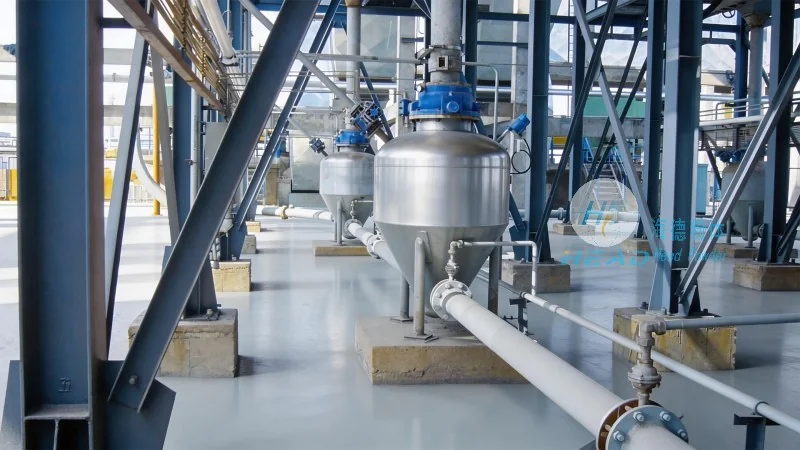
Shandong HeadPowder Engineering Co., Ltd., a leading provider of pneumatic conveying solutions, specializes in designing systems tailored to the unique needs of the spice industry. With years of experience in the field, the company understands the importance of integrating effective design parameters to prevent pipe blockages. HeadPowder engineers work closely with clients to assess their specific spice types, processing volumes, and operational constraints, ensuring that the final system is optimized for both performance and reliability.
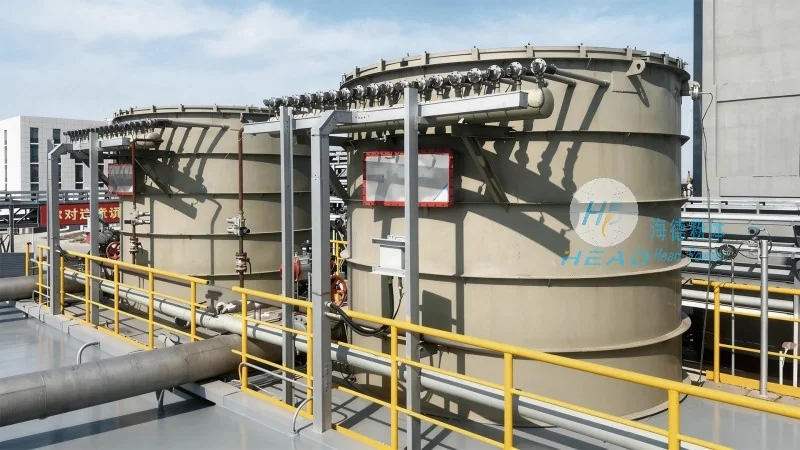
The company’s approach involves a comprehensive analysis of material properties, including particle size distribution, moisture content, and flow characteristics. Based on this analysis, engineers select the appropriate system configuration, air velocity, and pipe sizing to minimize blockage risks. Additionally, HeadPowder incorporates advanced features such as automated cleaning systems and real-time monitoring to enhance system efficiency and reduce downtime.
Preventing pipe blockages in pneumatic conveying systems for spices requires a careful balance of design parameters and operational practices. By focusing on air velocity, system configuration, pipe materials, filtration, and airflow control, operators can significantly reduce the risk of clogs and maintain consistent performance. Shandong HeadPowder Engineering Co., Ltd. stands as a trusted partner in this process, offering expert design and engineering solutions that address the specific challenges of spice handling. With their commitment to quality and reliability, HeadPowder helps businesses in the spice industry achieve efficient, uninterrupted transportation and minimize operational disruptions.

 Shandong Headpowder Engineering Co., Ltd.
 156-6277-7102(Manager Zhang)
  0531-83386006
  Zhangqiu District, Jinan City, Shandong Province, China
telephone
WeChatconsult
top