With more than 10‑year industry experience, Shandong Headpowder delivers full‑service pneumatic‑conveying systems and blowers, undertaking nationwide turn‑key powder‑handling projects.
For coffee processing facilities, efficient material handling is crucial to maintaining production efficiency and product quality. The dry coffee pneumatic conveying machine, as an advanced solution, plays a vital role in transporting coffee beans and other powdery materials. This article will explore the principles of this equipment and its typical working scenarios, providing insights into its application in the coffee industry.
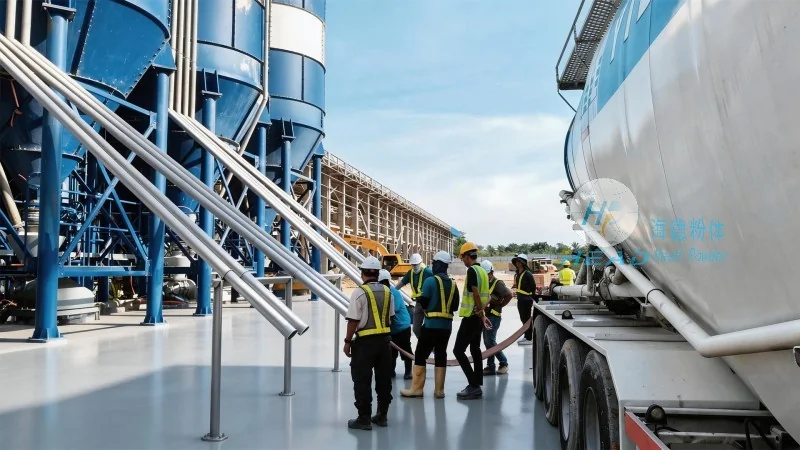
Dry coffee pneumatic conveying machines are specialized devices designed to transport dry, granular, or powdery materials like coffee beans, ground coffee, and related byproducts through an air-driven system. Unlike traditional mechanical conveyors, these machines use compressed air to move materials, offering advantages such as minimal product contamination, low maintenance requirements, and the ability to handle delicate materials without damage. The core components of a typical dry coffee pneumatic conveying system include a hopper for material storage, a blower or air compressor to generate airflow, a pipeline network for material transport, and a receiver or discharge unit for material collection. The system operates by feeding material into the hopper, where it is then drawn into the pipeline by the airflow generated by the blower. As the material travels through the pipeline, it is carried by the air stream to the destination point, where it is collected in the receiver. This process ensures a continuous and controlled flow of materials, minimizing downtime and improving overall operational efficiency.
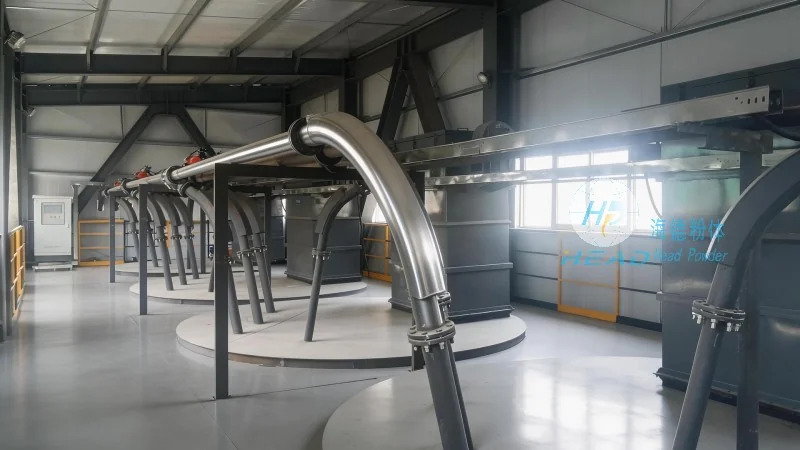
The fundamental principle behind dry coffee pneumatic conveying is the use of air pressure to move materials. There are two main types of pneumatic conveying systems: positive pressure and negative pressure. Positive pressure systems use a blower to force air and material through the pipeline, while negative pressure systems use a vacuum to draw material into the pipeline. For coffee processing, positive pressure systems are more commonly used due to their ability to handle a wide range of material sizes and their suitability for long-distance transport. The key to effective operation lies in maintaining consistent air pressure and flow rates. The blower must generate sufficient airflow to overcome the resistance of the pipeline and the weight of the material, ensuring that the material is carried at a stable velocity. Additionally, the design of the pipeline, including the use of bends, elbows, and expansion joints, is critical to minimizing pressure losses and preventing material blockages. Proper maintenance of the blower and air filter is also essential to ensure consistent performance and prevent contamination of the coffee product.
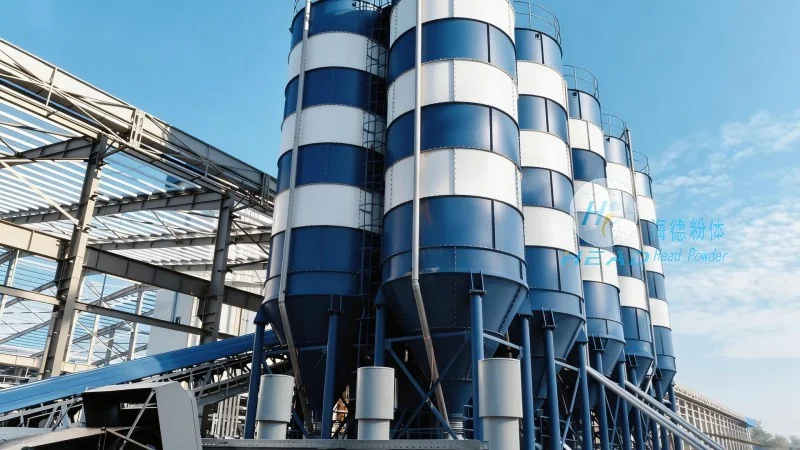
Dry coffee pneumatic conveying machines are widely used in various stages of coffee processing, from raw bean handling to final product packaging. Their working scene characteristics are tailored to the specific needs of each stage, ensuring optimal performance and product quality. In the raw coffee bean handling stage, these machines are used to transport coffee beans from storage silos or trucks to processing lines. The hopper design allows for large volumes of beans to be stored and fed into the system, while the pipeline network can be configured to distribute beans to different processing units, such as roasters or dehullers. The positive pressure system ensures that the beans are moved efficiently without causing damage to their delicate structure. In the roasting stage, the conveying machine can be used to transport roasted beans from the roaster to the cooling and packaging areas. The system's ability to handle hot materials is enhanced by the use of heat-resistant materials in the pipeline and receiver, ensuring that the beans are not exposed to excessive temperatures that could affect their flavor and aroma. For ground coffee processing, the pneumatic conveying machine is used to transport ground coffee from grinding machines to packaging units. The fine particles of ground coffee require a more controlled airflow to prevent dust accumulation and ensure uniform transport. The system's design includes features such as cyclone separators and dust filters to maintain air quality and prevent contamination of the product. In the packaging stage, the conveying machine can be used to transport packaged coffee products from the filling line to storage or shipping areas. The system's flexibility allows it to handle different package sizes and types, ensuring efficient and accurate transport. Overall, the working scene characteristics of dry coffee pneumatic conveying machines are designed to meet the specific demands of each processing stage, providing reliable and efficient material handling solutions.
Implementing a dry coffee pneumatic conveying system offers several advantages for coffee processing facilities. The primary benefit is the reduction in product contamination, as the system is enclosed and uses clean air to transport materials. This is particularly important for coffee, which is a sensitive product with high consumer expectations regarding quality and safety. Additionally, the system reduces labor costs by automating the material handling process, minimizing the need for manual labor and reducing the risk of human error. The low maintenance requirements of the system also contribute to cost savings, as the components are designed to be durable and easy to replace. However, there are also considerations to keep in mind when implementing such a system. The initial investment cost can be higher compared to traditional mechanical conveyors, and the system requires a reliable power supply and compressed air source. The design of the system must also be carefully considered to ensure that it can handle the specific characteristics of the coffee material, such as its size, density, and moisture content. Proper sizing of the blower and pipeline is essential to ensure efficient operation and prevent pressure losses. Furthermore, the system must be installed and maintained by qualified professionals to ensure optimal performance and safety. In summary, while there are some considerations to address, the advantages of dry coffee pneumatic conveying systems make them a valuable investment for coffee processing facilities seeking to improve efficiency and product quality.
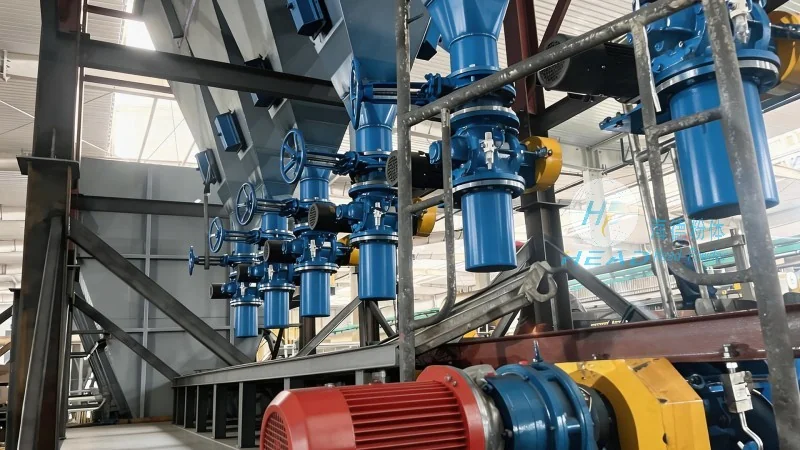
Dry coffee pneumatic conveying machines are an essential component of modern coffee processing facilities, providing efficient and reliable material handling solutions. By understanding the principles of pneumatic conveying and the working scene characteristics of these machines, coffee processing companies can optimize their operations and improve overall productivity. The use of advanced technology and proper system design ensures that these machines can handle the delicate nature of coffee products while maintaining high standards of quality and safety. As the coffee industry continues to evolve, the demand for efficient material handling solutions will remain high, and dry coffee pneumatic conveying machines will continue to play a vital role in meeting these needs. For facilities looking to enhance their production capabilities, investing in a well-designed pneumatic conveying system is a strategic decision that can lead to long-term benefits and improved competitiveness.

 Shandong Headpowder Engineering Co., Ltd.
 156-6277-7102(Manager Zhang)
  0531-83386006
  Zhangqiu District, Jinan City, Shandong Province, China
telephone
WeChatconsult
top