With more than 10‑year industry experience, Shandong Headpowder delivers full‑service pneumatic‑conveying systems and blowers, undertaking nationwide turn‑key powder‑handling projects.
Multi-hopper pneumatic conveying systems represent a sophisticated solution in material handling, designed to efficiently transport bulk materials over long distances with minimal maintenance and operational complexity. This technology is particularly valuable in industries where traditional conveyor systems may face limitations due to material characteristics or space constraints. The system operates by utilizing compressed air to move powders, granules, or other particulate materials from a source to a destination, offering a flexible and adaptable approach to material transport.
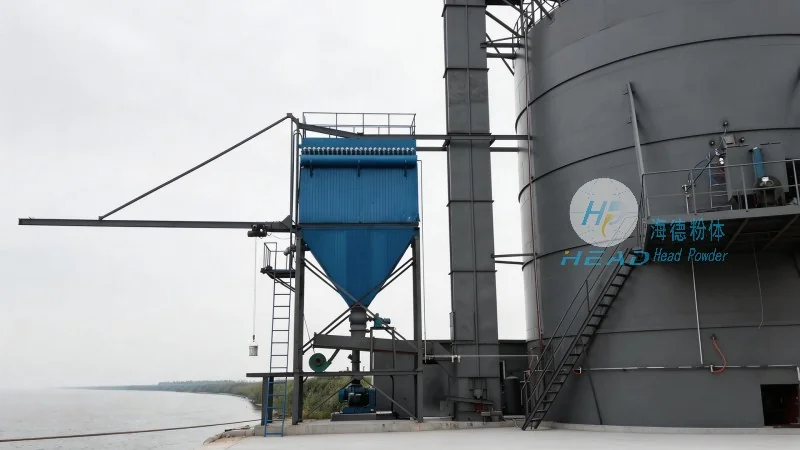
The core of a multi-hopper pneumatic conveying system lies in its ability to handle multiple material sources or destinations through a network of hoppers and pipelines. Each hopper is equipped with a valve that controls the release of material into the conveying line. When the valve opens, the material is drawn into the pipeline by the vacuum or pressure created by the air flow. The compressed air then propels the material through the system, ensuring consistent and reliable transport. The system can operate in either positive pressure or negative pressure modes, depending on the application requirements. Positive pressure systems use compressed air to push material, while negative pressure systems use suction to draw material. This dual capability makes multi-hopper systems versatile for various material types and process needs.
Multi-hopper pneumatic conveying systems consist of several critical components that work in tandem to ensure optimal performance. The primary components include hoppers, feeders, air motors, filters, and control valves. Hoppers are used to store and meter the material, with each hopper capable of handling different material types or quantities. Feeders, such as rotary valves or star feeders, regulate the flow of material from the hopper into the conveying line, preventing blockages and ensuring a steady supply. Air motors, either rotary vane or piston types, generate the necessary air pressure or vacuum to move the material. Filters are essential for maintaining air quality and preventing dust accumulation in the system. Control valves, including solenoid valves and pressure regulators, manage the air flow and pressure levels, allowing for precise control over the conveying process.
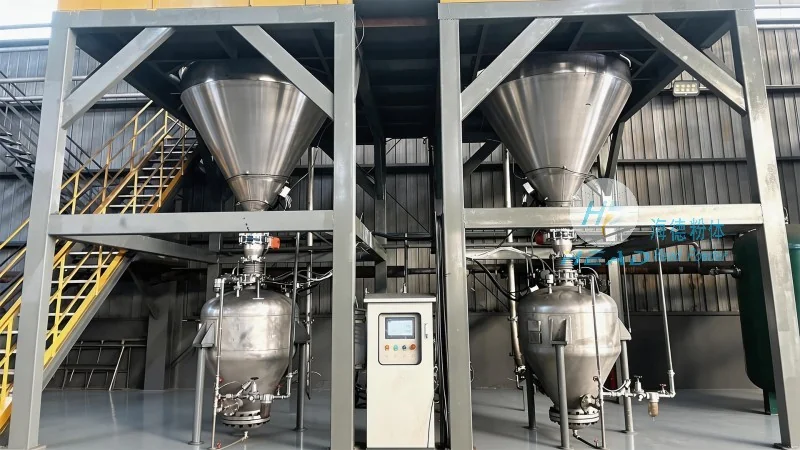
Multi-hopper pneumatic conveying systems find extensive applications across various industries due to their adaptability and efficiency. In the chemical industry, these systems are commonly used to transport powders, such as pigments, additives, and pharmaceuticals, from storage silos to processing units. The ability to handle fine powders without caking or segregation makes them ideal for pharmaceutical applications where product integrity is paramount. In the food industry, multi-hopper systems are employed to transport dry ingredients like flour, sugar, and spices, ensuring hygienic and contamination-free transport. The systems are also widely used in the cement and construction sectors for transporting raw materials like limestone and clinker to production facilities. Additionally, in the agricultural sector, they are utilized to move grain, seeds, and other agricultural products from storage to processing or packaging areas. The versatility of multi-hopper systems allows them to adapt to different material characteristics and process requirements, making them a preferred choice in many industrial settings.
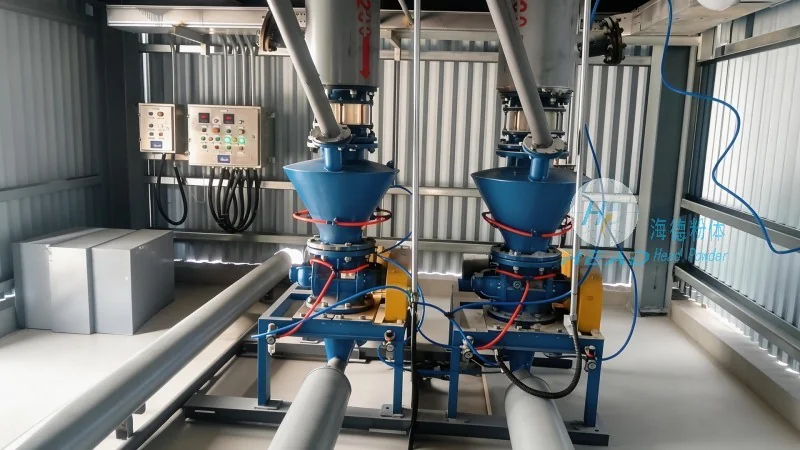
Multi-hopper pneumatic conveying systems offer several advantages over traditional material handling methods. One of the key benefits is their ability to transport materials over long distances with minimal energy consumption. The use of compressed air allows for efficient movement of materials without the need for mechanical components like belts or chains, reducing wear and tear and maintenance costs. Another advantage is the system's flexibility, as it can handle multiple material sources or destinations simultaneously. This makes it suitable for complex production lines where materials need to be routed to different locations based on process requirements. The systems also provide better material control, as the flow rate and pressure can be precisely adjusted to match the process needs. This leads to improved product quality and reduced waste. Furthermore, multi-hopper systems are more hygienic and dust-free compared to traditional systems, making them ideal for food and pharmaceutical applications where contamination control is critical.
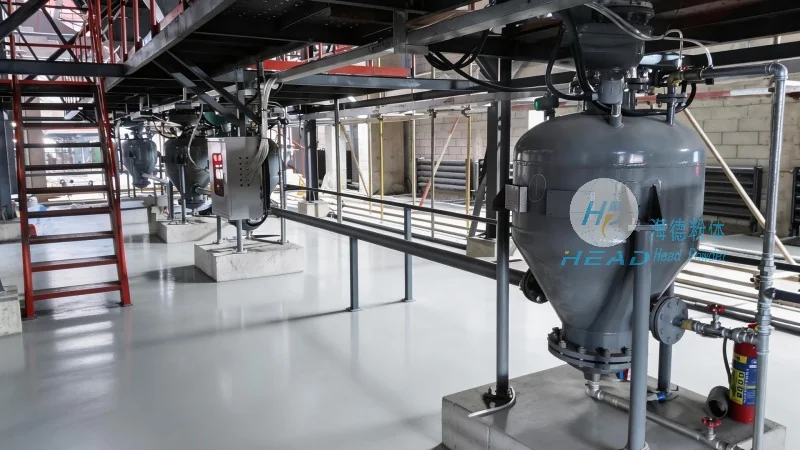
While multi-hopper pneumatic conveying systems offer numerous benefits, proper operation and maintenance are essential to ensure optimal performance and longevity. Regular maintenance includes cleaning the system to prevent dust accumulation and blockages, checking the condition of filters and air motors, and inspecting the integrity of pipelines and hoppers. It is also important to monitor the air pressure and flow rates to ensure they are within the recommended range. Proper training of operators is crucial to ensure safe and efficient operation of the system. Additionally, the system should be designed to handle the specific material characteristics, such as particle size, moisture content, and flowability, to prevent issues like caking or segregation. By following proper operational guidelines and maintenance procedures, multi-hopper systems can provide reliable and efficient material transport for years.
HeadPowder, or Shandong HeadPowder Engineering Co., Ltd., is a reputable company based in Shandong, China, specializing in the design, manufacturing, and installation of advanced pneumatic conveying systems. With years of experience in the industry, HeadPowder has developed a range of multi-hopper pneumatic conveying systems tailored to meet the diverse needs of various industries. The company's commitment to quality and innovation has made it a trusted partner for many businesses seeking reliable material handling solutions. HeadPowder's team of experts provides comprehensive support, from system design and engineering to installation and after-sales service, ensuring that clients receive the best possible solution for their material transport needs. Whether it's for small-scale operations or large industrial facilities, HeadPowder offers customized solutions that enhance efficiency and productivity.

 Shandong Headpowder Engineering Co., Ltd.
 156-6277-7102(Manager Zhang)
  0531-83386006
  Zhangqiu District, Jinan City, Shandong Province, China
telephone
WeChatconsult
top