With more than 10‑year industry experience, Shandong Headpowder delivers full‑service pneumatic‑conveying systems and blowers, undertaking nationwide turn‑key powder‑handling projects.
When it comes to transporting oats using pneumatic conveying systems, preventing pipeline blockages is a critical concern for operators. Blockages can lead to production downtime, increased maintenance costs, and potential damage to equipment. Understanding and implementing the right design parameters is essential to ensure smooth and efficient oat transport. This article explores effective strategies to prevent blockages and highlights the key design parameters that play a vital role in the success of pneumatic conveying systems for oat handling.
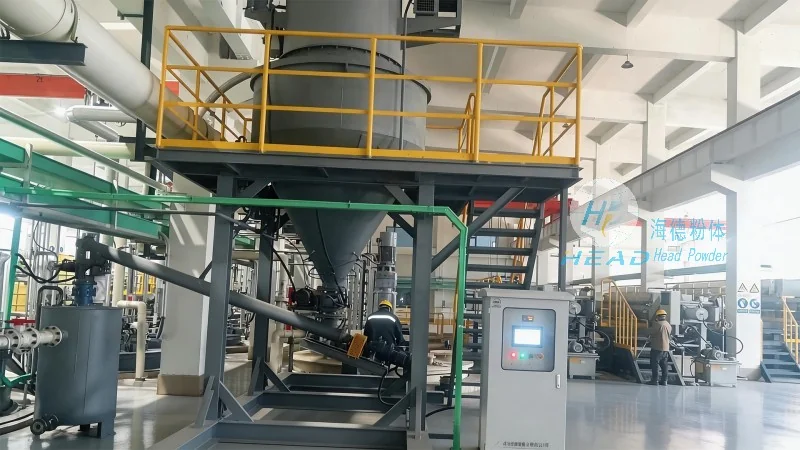
Pneumatic conveying systems use air or other gases to transport bulk materials like oats through a pipeline. These systems are widely used in the agricultural and food processing industries due to their ability to handle delicate materials without causing damage. However, the nature of oats—such as their size, moisture content, and flow characteristics—can make them prone to bridging, rat-holing, and other blockage issues if the system is not properly designed.
Several key design parameters must be carefully considered to minimize the risk of blockages in pneumatic conveying systems for oats. These parameters include system pressure, particle characteristics, pipeline dimensions, and the gas-to-solid ratio. Each of these factors interacts to determine the system's performance and its ability to maintain a consistent flow of material.
System pressure is a fundamental parameter that influences the velocity of the conveying air and the force applied to the oat particles. Higher pressure can increase the conveying velocity, reducing the likelihood of particles settling and forming blockages. However, excessive pressure can also lead to increased energy consumption and potential wear on the system components. For oat transport, a balanced pressure level is crucial. It should be sufficient to maintain a stable flow but not so high that it causes unnecessary stress on the pipeline or equipment.
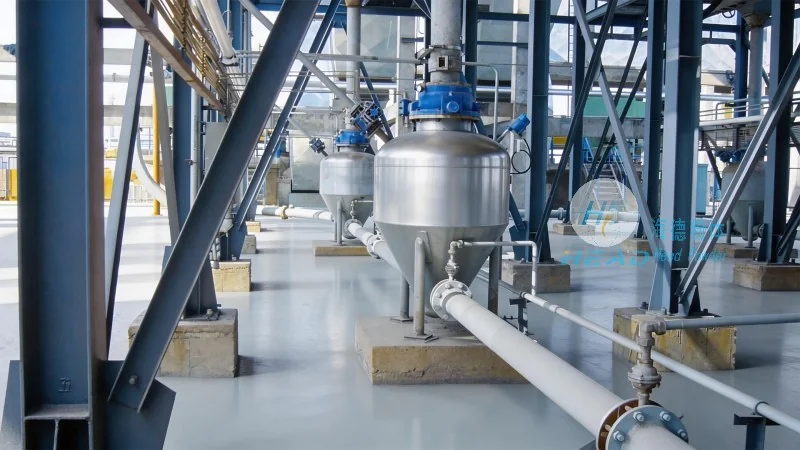
The physical properties of oats, including their size distribution, shape, and moisture content, directly affect how they behave in a pneumatic conveying system. Oats are typically irregularly shaped and have a relatively high bulk density, which can contribute to blockages if the system is not optimized. For example, if the particles are too large or have a high moisture content, they may tend to stick together or to the pipeline walls, leading to bridging. Designers must consider these characteristics when selecting the appropriate pipeline diameter, air velocity, and pressure to ensure that the particles are conveyed efficiently without settling.
The diameter and length of the pipeline are critical design elements that impact the risk of blockages. A larger pipeline diameter can reduce the air velocity required to transport the oats, which in turn lowers the energy consumption. However, a larger diameter may also increase the risk of blockages if the air velocity is too low, as particles may have more time to settle. Conversely, a smaller diameter requires higher air velocity to maintain flow, which can increase energy costs and wear on the system. The optimal pipeline diameter is determined by balancing the conveying capacity with the risk of blockage. Additionally, the pipeline should be designed with smooth interior surfaces to minimize friction and reduce the likelihood of particles adhering to the walls.
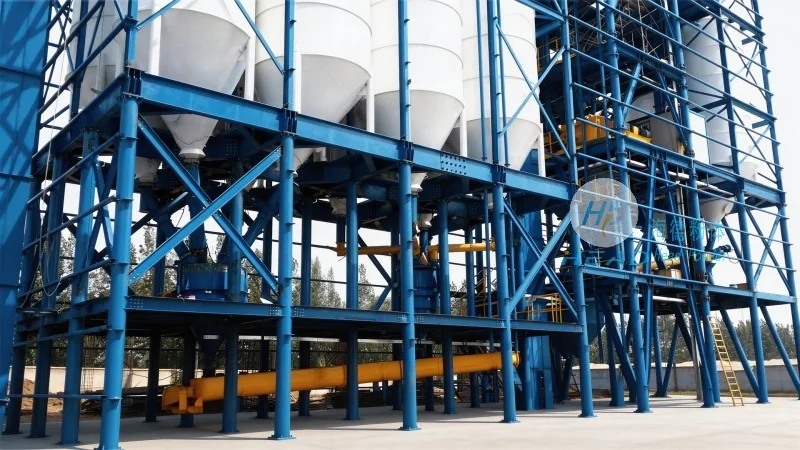
The gas-to-solid ratio, which is the ratio of the volume of conveying air to the volume of oat particles, is another key parameter that affects system performance. A higher gas-to-solid ratio generally leads to better conveying efficiency and lower blockage risk. However, an excessively high ratio can result in poor particle suspension and increased energy consumption. The ideal gas-to-solid ratio for oat transport is typically determined through testing and depends on factors such as particle size, moisture content, and system pressure. By maintaining an optimal ratio, the system can ensure that the oats are fully suspended in the air stream, reducing the chance of settling and blockages.
Beyond the primary parameters mentioned above, other design factors also contribute to preventing blockages in pneumatic conveying systems for oats. These include the type of air inlet and outlet, the presence of bends or fittings, and the use of vibration or agitation devices. For example, using a properly designed air inlet can help ensure that the oats are fully introduced into the conveying stream, reducing the risk of uneven flow and blockages. Similarly, avoiding sharp bends and using smooth transitions in the pipeline can minimize the impact on particle flow and prevent the formation of pockets where particles can settle.
Preventing pipeline blockages in pneumatic conveying systems for oat transport requires a comprehensive approach that considers multiple design parameters. By carefully selecting system pressure, understanding particle characteristics, optimizing pipeline dimensions, and maintaining an appropriate gas-to-solid ratio, operators can significantly reduce the risk of blockages and ensure smooth, efficient transport. The expertise of companies like Shandong HeadPowder Engineering Co., Ltd. (HeadPowder) is invaluable in this process, as they provide tailored solutions based on specific operational needs and material characteristics. With the right design and implementation, pneumatic conveying systems can effectively handle oats while minimizing downtime and maintenance costs, making them a reliable choice for oat processing facilities.

 Shandong Headpowder Engineering Co., Ltd.
 156-6277-7102(Manager Zhang)
  0531-83386006
  Zhangqiu District, Jinan City, Shandong Province, China
telephone
WeChatconsult
top