With more than 10‑year industry experience, Shandong Headpowder delivers full‑service pneumatic‑conveying systems and blowers, undertaking nationwide turn‑key powder‑handling projects.
Multi-point feeding pneumatic conveying systems represent a sophisticated approach to material handling, designed to efficiently transport bulk materials from multiple source points to a central or multiple destination points using air as the conveying medium. This technology is particularly valuable in industrial settings where the need to manage diverse material sources and streamline production processes is critical.
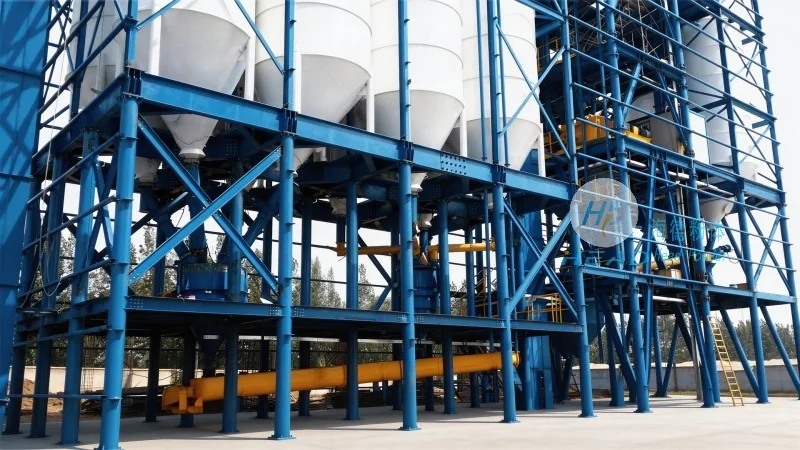
The core principle of multi-point feeding pneumatic conveying involves the use of a pressurized or vacuum system to generate airflow that draws or pushes material through a network of pipes. In a typical multi-point feeding setup, several feeding hoppers or silos are connected to a central conveying line. Each feeding point is equipped with a control valve or feeder that regulates the flow of material into the main pipeline. The system uses a combination of positive pressure (where air is blown into the line to push material) or negative pressure (where air is drawn out to pull material) to move the material through the system. The air velocity and pressure are carefully controlled to ensure efficient and low-loss transport, minimizing material degradation and system wear.
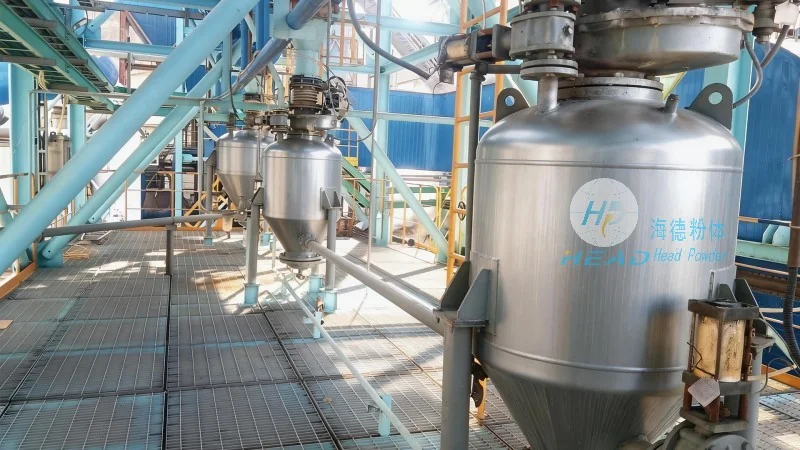
Multi-point feeding pneumatic conveying equipment is widely applied in various industrial scenarios, each with distinct characteristics that highlight its versatility. For instance, in the food processing industry, such systems are used to transport powders like flour, sugar, or spices from multiple storage silos to a central mixing or packaging unit. The key characteristics in this scenario include the ability to handle hygienic materials, maintain low temperature during transport, and ensure precise control over material flow to meet strict quality standards. In the chemical industry, these systems are employed to convey powders or granules from multiple feed points to processing equipment, where the need for dust control and material purity is paramount. The multi-point feeding design allows for seamless integration with existing production lines, reducing downtime and enhancing operational efficiency.
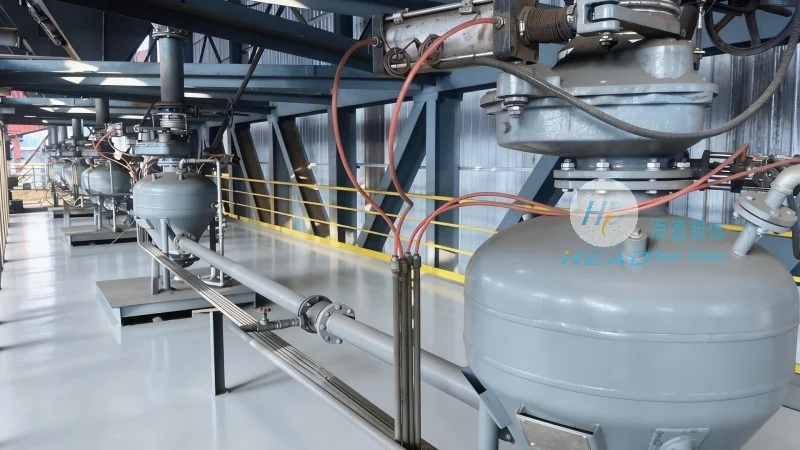
One of the primary advantages of multi-point feeding pneumatic conveying is its ability to handle a wide range of bulk materials, including fine powders, granules, and even bulk solids with varying particle sizes. The system's flexibility in accommodating multiple feeding sources makes it ideal for facilities that process diverse raw materials or produce multiple products. For example, in a cement plant, multiple raw material silos feed into a central conveying line, enabling the plant to blend different components efficiently. Similarly, in the pharmaceutical industry, multi-point feeding systems are used to transport active pharmaceutical ingredients (APIs) and excipients from various storage areas to manufacturing lines, ensuring consistent quality and compliance with regulatory requirements.
Implementing a multi-point feeding pneumatic conveying system offers several operational benefits that enhance overall productivity and cost-effectiveness. One of the most significant advantages is the reduction in manual labor, as the system automates the material transport process from source to destination. This not only improves safety by minimizing human exposure to dust and hazardous materials but also increases the accuracy and consistency of material delivery. Additionally, the system's ability to handle multiple feeding points simultaneously allows for continuous production, as material can be fed from one source while another is being replenished, ensuring a steady supply to downstream processes. The low maintenance requirements of pneumatic conveying systems, compared to traditional mechanical conveyors, further contribute to operational savings, as there are fewer moving parts and less wear on components.
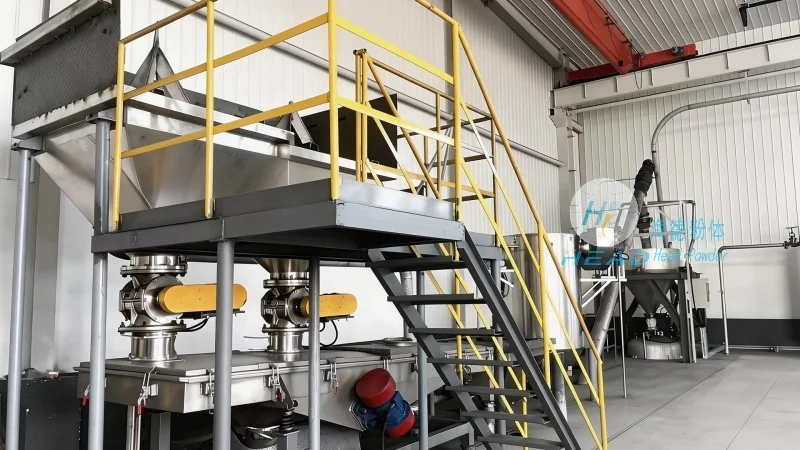
Shandong HeadPowder Engineering Co., Ltd., a leading manufacturer in the field, specializes in designing and manufacturing multi-point feeding pneumatic conveying systems tailored to the specific needs of industrial clients. The company's expertise lies in understanding the unique requirements of different industries and providing customized solutions that integrate seamlessly with existing infrastructure. With a focus on quality and reliability, HeadPowder's systems are engineered to meet the highest standards of performance and durability. The company's facilities, located in Shandong, China, utilize advanced manufacturing techniques and rigorous quality control processes to ensure that each system is built to withstand the demands of industrial operations. By partnering with HeadPowder, clients can benefit from years of experience in material handling technology, ensuring that their multi-point feeding pneumatic conveying systems deliver optimal performance and longevity.

 Shandong Headpowder Engineering Co., Ltd.
 156-6277-7102(Manager Zhang)
  0531-83386006
  Zhangqiu District, Jinan City, Shandong Province, China
telephone
WeChatconsult
top