With more than 10‑year industry experience, Shandong Headpowder delivers full‑service pneumatic‑conveying systems and blowers, undertaking nationwide turn‑key powder‑handling projects.
Metallurgical coke serves as a crucial raw material in the iron and steel industry, and its efficient transportation is vital for maintaining smooth production workflows. Pneumatic conveying systems, specifically engineered for metallurgical coke, provide a reliable and efficient method to move this material from storage facilities to processing units. This article delves into the fundamental principles underlying these systems and highlights key working scene characteristics that make them well-suited for industrial applications.
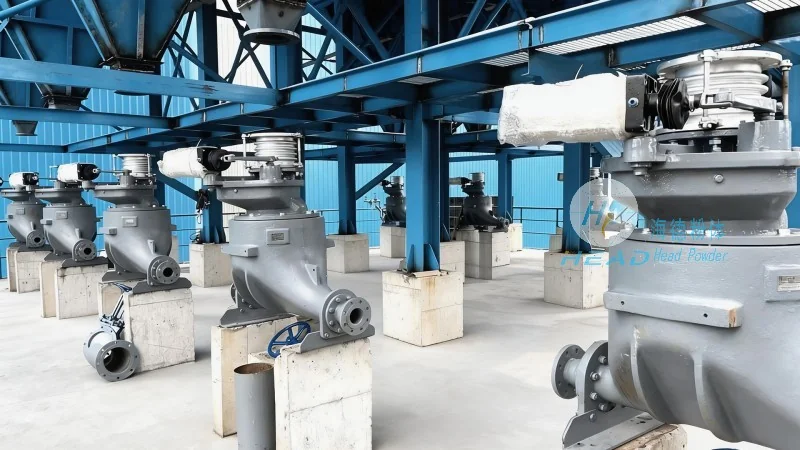
Pneumatic conveying systems operate by utilizing air or gas to transport bulk materials like metallurgical coke through a pipeline network. The core principle involves creating a pressure differential or employing vacuum to move the material. Two primary types of pneumatic conveying exist: pressure and vacuum systems. Pressure systems function by blowing air or gas into the pipeline, propelling the material forward, whereas vacuum systems use suction to draw the material into the pipeline. For metallurgical coke, which typically exhibits coarse particle sizes and high abrasiveness, the system selection depends on factors such as the distance to be covered, required flow rate, and the need for material containment.
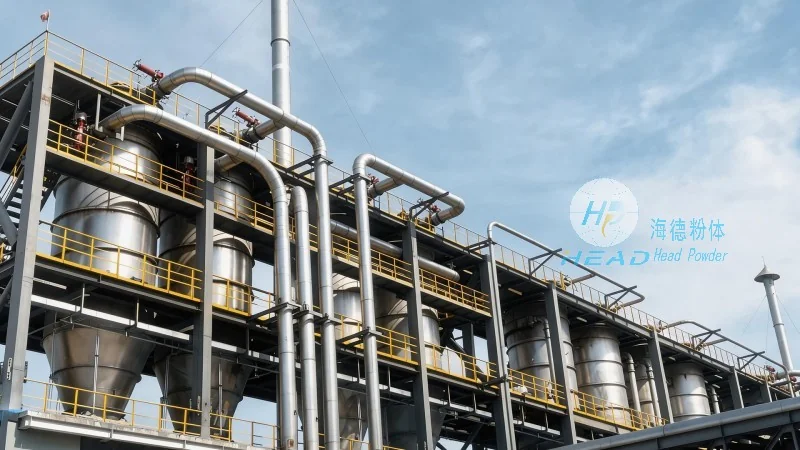
The working scene characteristics of these systems are tailored to the demands of metallurgical coke handling. A primary consideration is the material's properties. Metallurgical coke is often coarse and highly abrasive, necessitating the use of durable construction materials to withstand wear and tear. Additionally, system design must account for the coke's density and flow characteristics to ensure consistent and reliable transport. In industrial settings, these systems are typically integrated into larger production lines, connecting storage silos or stockpiles to coke ovens, blast furnaces, or other processing equipment. The layout of the conveying network is carefully planned to minimize material degradation and energy consumption, optimizing overall process efficiency.
Metallurgical coke pneumatic conveying systems are widely utilized across various industrial scenarios. In steel mills, for instance, they are employed to transport coke from storage facilities to the blast furnace, where it acts as both a fuel and a reducing agent. The systems are also used in coke production plants to move coke from the coking process to storage or further processing stages. The operational advantages of these systems include reduced labor costs, as automated conveying eliminates the need for manual handling, and enhanced safety by minimizing human exposure to the material. Furthermore, pneumatic conveying systems can handle large volumes of material over long distances with minimal loss, making them ideal for high-throughput industrial operations. The systems are also flexible, allowing for adjustments in the conveying route or capacity as production needs evolve.
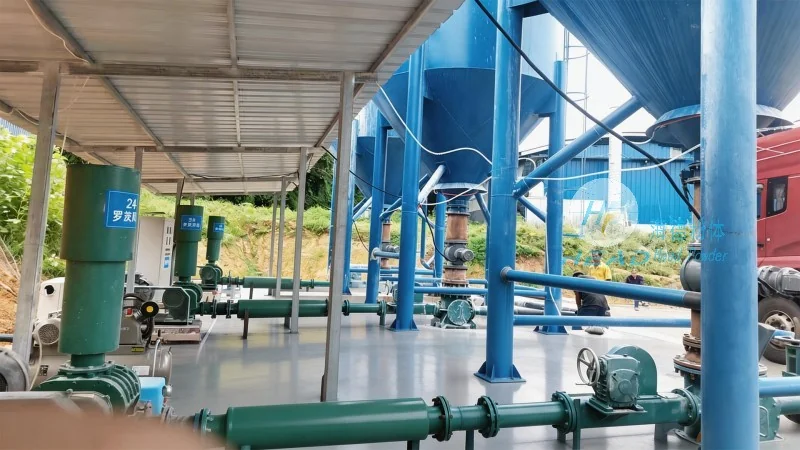
Metallurgical coke pneumatic conveying systems represent a sophisticated solution for the efficient and safe transportation of this vital industrial material. By understanding the principles of pneumatic conveying and the specific characteristics of metallurgical coke, manufacturers can design and implement systems that enhance productivity and reduce operational costs. As a leading provider in this field, Shandong HeadPowder Engineering Co., Ltd. specializes in the design, manufacturing, and installation of high-quality pneumatic conveying equipment tailored to the unique needs of metallurgical coke handling. HeadPowder is headquartered in Shandong, China, and serves clients across the region with expertise in material handling technology. The company's systems are engineered to meet the stringent requirements of modern industrial operations, contributing to the smooth and sustainable production of steel and other metal products.

 Shandong Headpowder Engineering Co., Ltd.
 156-6277-7102(Manager Zhang)
  0531-83386006
  Zhangqiu District, Jinan City, Shandong Province, China
telephone
WeChatconsult
top