With more than 10‑year industry experience, Shandong Headpowder delivers full‑service pneumatic‑conveying systems and blowers, undertaking nationwide turn‑key powder‑handling projects.
For industries dealing with bulk materials like red beans, the efficiency and reliability of material handling systems are critical. Pneumatic conveying systems offer a solution for transporting red beans from storage to processing units, but they are prone to pipeline blockages if not properly designed and maintained. This article explores effective strategies to prevent blockages in red bean conveying systems and highlights the key design parameters that ensure smooth operation, presented by Shandong HeadPowder Engineering Co., Ltd., a leading provider of material handling solutions.
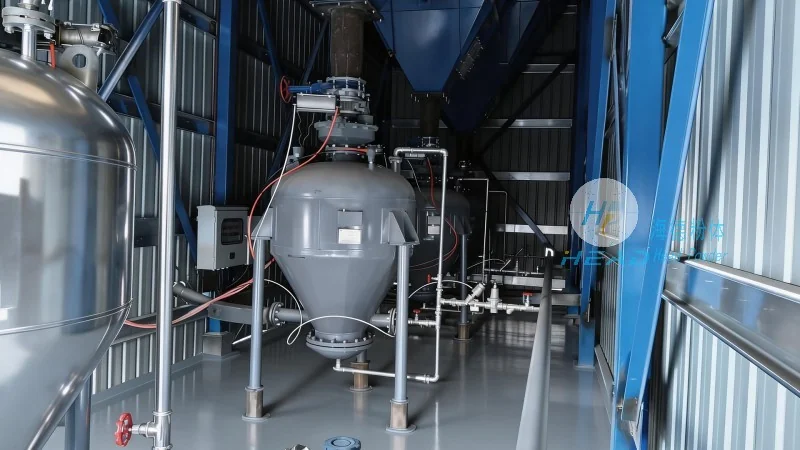
Pneumatic conveying systems use air pressure to move red beans through pipelines. These systems are commonly used in food processing and agricultural industries due to their ability to handle fragile or abrasive materials without causing damage. However, the nature of red beans—such as their size, moisture content, and density—can lead to blockages if the system is not optimized. Proper understanding of the material characteristics is the first step in designing an effective conveying system.
Several critical design parameters must be considered to prevent blockages in red bean pneumatic conveying systems. These parameters include air velocity, pipeline diameter, material flow rate, and system pressure. Each parameter plays a vital role in maintaining the flow of red beans and preventing the accumulation of material that could lead to blockages.
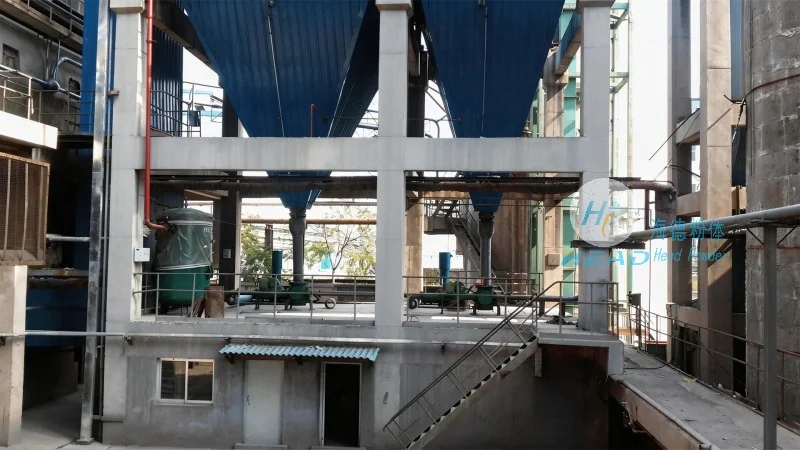
Air velocity is a crucial factor in pneumatic conveying. Insufficient air velocity can cause red beans to settle in the pipeline, leading to blockages. Conversely, excessive air velocity may cause material to be carried too quickly, potentially leading to wear on the system components. The optimal air velocity for red bean conveying typically ranges between 20 to 30 meters per second, depending on the material's characteristics and the pipeline length. The flow rate must also be matched to the air velocity to ensure a consistent and stable flow. For example, a higher flow rate may require a higher air velocity to maintain the material in suspension.
The diameter of the pipeline is another critical parameter. A larger diameter reduces the risk of blockages by providing more space for the red beans to move, while a smaller diameter increases the likelihood of material accumulation. The length of the pipeline also affects the system's performance. Longer pipelines may require higher air pressure or velocity to maintain the flow of red beans. It is essential to calculate the pipeline diameter based on the expected material flow rate and the system's air pressure capabilities. For red bean conveying, a common pipeline diameter ranges from 50 to 150 millimeters, depending on the volume of material to be transported.
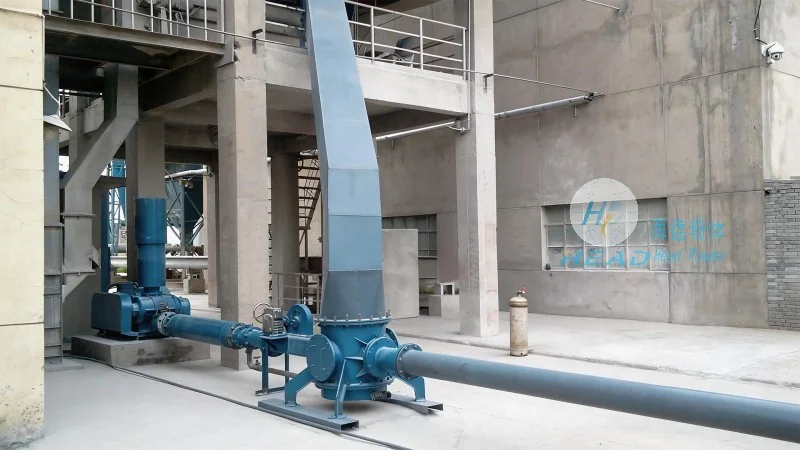
The pressure of the air used in the pneumatic conveying system directly impacts the ability to move red beans through the pipeline. Higher air pressure can help maintain the material in suspension and prevent blockages, especially in longer or more complex pipeline systems. However, excessive pressure may lead to increased wear on the system components and higher energy consumption. The system pressure must be carefully selected based on the pipeline length, material characteristics, and the required flow rate. For red bean conveying, the typical system pressure ranges from 0.5 to 1.5 bar, with adjustments made for specific applications.
The physical properties of red beans, such as their size, shape, and moisture content, significantly influence the design of the pneumatic conveying system. Red beans with higher moisture content may clump together, increasing the risk of blockages. Therefore, it is important to consider the moisture content of the material when selecting the system design. Additionally, the size distribution of the red beans can affect the air velocity required for proper conveying. For instance, larger red beans may require higher air velocity to maintain suspension compared to smaller beans.
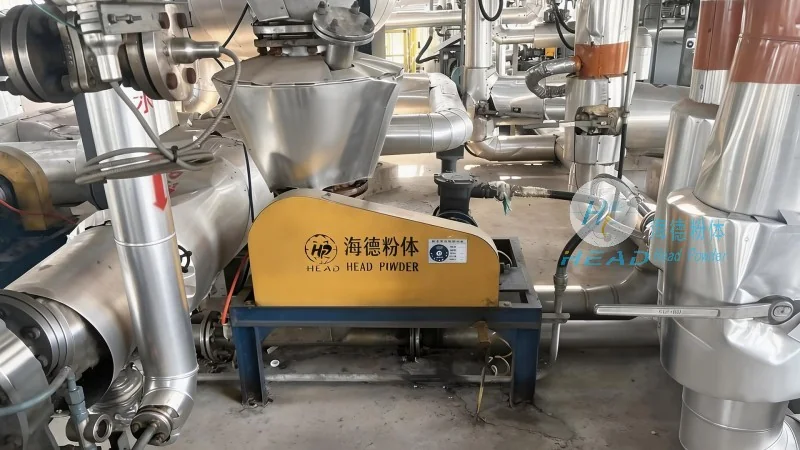
Proper selection and maintenance of system components are essential to prevent blockages. Components such as filters, cyclones, and rotary valves must be regularly inspected and cleaned to ensure they are not clogged with red beans or other debris. A well-maintained system reduces the risk of blockages and extends the lifespan of the equipment. Regular monitoring of the system's performance, including air pressure and flow rate, can help identify potential issues before they lead to blockages.
Preventing pipeline blockages in red bean pneumatic conveying systems requires a comprehensive approach that considers multiple design parameters. By optimizing air velocity, pipeline diameter, system pressure, and material characteristics, along with regular maintenance, industries can ensure efficient and reliable material handling. The key is to tailor the system design to the specific needs of the red bean material and the operational requirements of the facility. With proper design and maintenance, pneumatic conveying systems can effectively transport red beans without the risk of blockages, improving overall productivity and reducing downtime.

 Shandong Headpowder Engineering Co., Ltd.
 156-6277-7102(Manager Zhang)
  0531-83386006
  Zhangqiu District, Jinan City, Shandong Province, China
telephone
WeChatconsult
top