With more than 10‑year industry experience, Shandong Headpowder delivers full‑service pneumatic‑conveying systems and blowers, undertaking nationwide turn‑key powder‑handling projects.
HeadPowder, a leading provider in the field of material handling solutions, specializes in the design, manufacturing, and installation of advanced pneumatic conveying systems. Based in Shandong, China, the company has established itself as a trusted partner for industries requiring efficient and reliable transportation of bulk materials, particularly polyethylene resin powders. This article delves into the fundamental principles behind polyethylene resin powder pneumatic conveying lines and highlights the key characteristics of their operational environments.
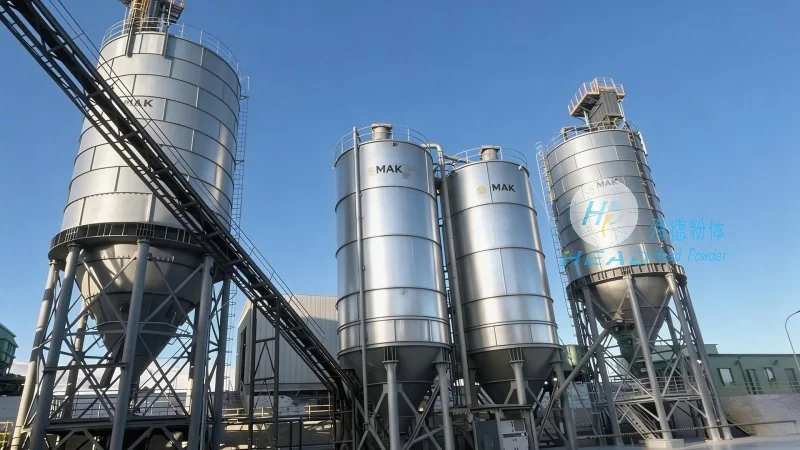
Polyethylene resin powder pneumatic conveying lines are sophisticated systems engineered to transport polyethylene resin powders from one location to another using a combination of air and pressure. These systems are integral to the manufacturing processes of various industries, including plastics, chemicals, and packaging, where the efficient movement of resin powders is critical for productivity and quality control. The core components of such systems typically include a hopper for material storage, a conveying line (often with multiple segments), a fan or blower to generate the necessary air flow, and a receiver for the discharged material. The entire system is designed to handle polyethylene resin powders with precision, ensuring minimal loss, contamination, and energy consumption.
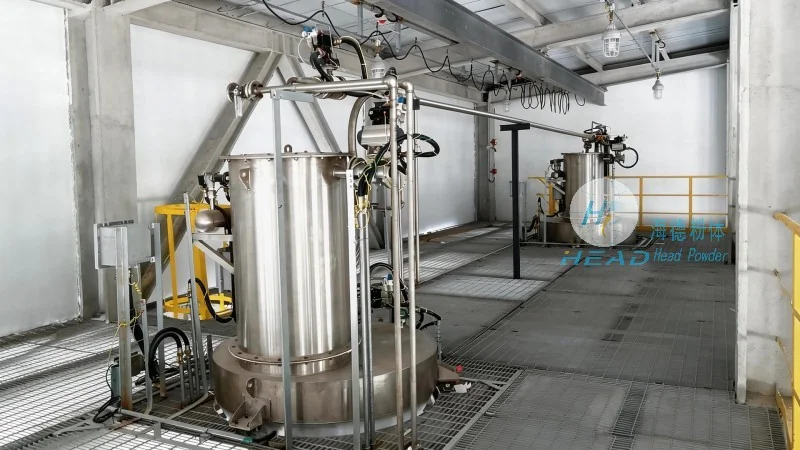
The principle of pneumatic conveying for polyethylene resin powders revolves around the use of air as the conveying medium. In a typical operation, the polyethylene resin powder is fed into the hopper, where it is then drawn into the conveying line by the fan or blower. The air flow creates a pressure differential that propels the powder particles through the pipeline. The velocity of the air and the design of the conveying line are crucial factors in determining the efficiency of the system. Properly designed systems ensure that the powder particles are suspended in the air stream, preventing blockages and ensuring smooth transport. The principle also involves the control of air pressure and flow rate to maintain consistent material transport, which is essential for maintaining the quality of the polyethylene resin powder and preventing degradation or agglomeration.
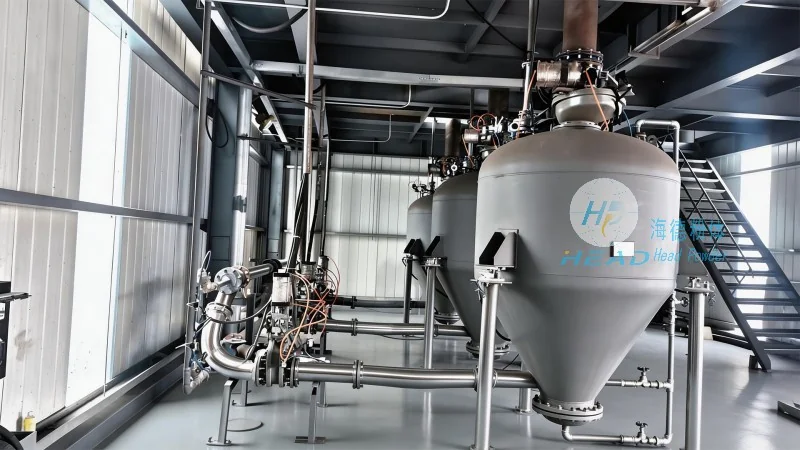
The operational environment of polyethylene resin powder pneumatic conveying lines is characterized by several distinct features that impact their performance and application. Firstly, the systems are designed to handle fine powders, which can present challenges in terms of dust control and material handling. Effective dust suppression measures are integrated into the design to ensure compliance with environmental regulations and to maintain a safe working environment. Secondly, the systems operate in industrial settings where space constraints and integration with existing production lines are critical considerations. The compact design of modern pneumatic conveying lines allows for flexible installation in various production layouts, making them suitable for both new and retrofit applications. Thirdly, the systems are built to withstand the abrasive nature of polyethylene resin powders, which can cause wear on components over time. High-quality materials and robust construction are employed to ensure long-term reliability and minimal maintenance requirements. Additionally, the systems are designed for scalability, allowing them to be adjusted to accommodate varying production volumes and material flow rates as the manufacturing process evolves.
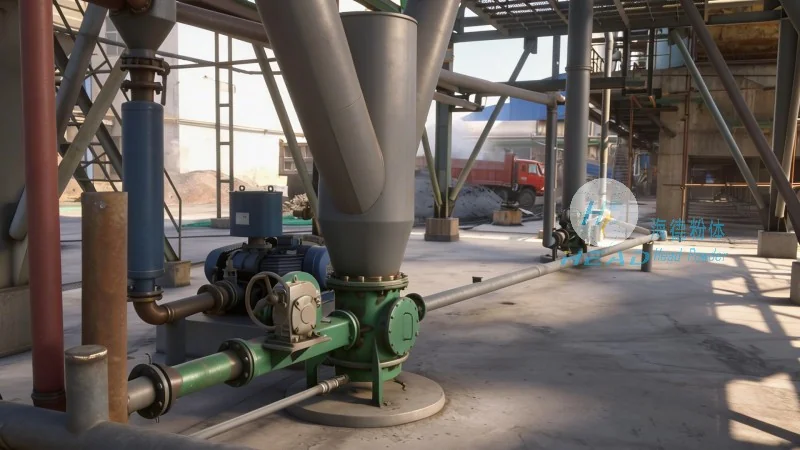
The implementation of polyethylene resin powder pneumatic conveying lines in industrial settings offers numerous advantages that enhance operational efficiency and product quality. One of the primary benefits is the reduction in manual handling, which minimizes the risk of material contamination and improves workplace safety. The automated nature of the system also ensures consistent material flow, which is vital for maintaining uniform product quality in downstream processes. Furthermore, the systems are energy-efficient, as they use air pressure rather than mechanical components to move the material, resulting in lower operational costs over time. The ability to transport polyethylene resin powders over long distances without the need for intermediate storage or transfer points also streamlines the production process, reducing downtime and increasing overall productivity. Finally, the systems are highly adaptable, allowing them to be customized to meet the specific requirements of different industries and production scales, ensuring optimal performance in diverse working environments.

 Shandong Headpowder Engineering Co., Ltd.
 156-6277-7102(Manager Zhang)
  0531-83386006
  Zhangqiu District, Jinan City, Shandong Province, China
telephone
WeChatconsult
top