With more than 10‑year industry experience, Shandong Headpowder delivers full‑service pneumatic‑conveying systems and blowers, undertaking nationwide turn‑key powder‑handling projects.
Desulfurization and dust removal fly ash pneumatic conveying systems are critical components in industrial processes, particularly in power plants and other facilities that handle large volumes of fly ash. These systems are designed to transport fly ash from the dust removal and desulfurization units to storage or disposal locations efficiently and safely. The classification and composition of such systems are essential for understanding their functionality, selecting the appropriate system for specific applications, and ensuring optimal performance.
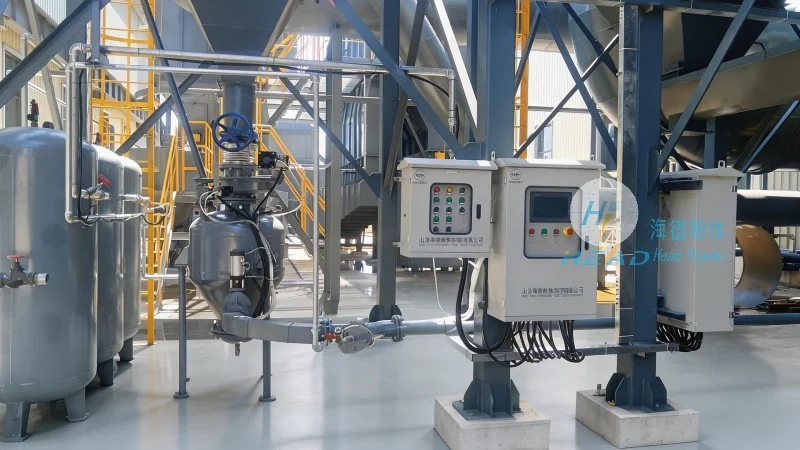
Desulfurization and dust removal fly ash pneumatic conveying systems can be broadly classified into two main categories based on the pressure within the conveying pipeline: positive pressure systems and negative pressure systems. Each type has distinct characteristics and is suitable for different operational requirements.
Positive pressure systems operate by blowing air or a gas mixture into the conveying pipeline, creating a pressure higher than the ambient air pressure. This method is commonly used for short to medium-distance conveying of fly ash, typically up to several hundred meters. The positive pressure system from Shandong HeadPowder Engineering Co., Ltd. (headpowder) features robust air blowers that generate sufficient pressure to move fly ash particles through the pipeline. The system includes components such as high-pressure blowers, conveying pipelines, and dust separation equipment. The positive pressure approach ensures reliable material transport and is particularly effective for handling abrasive or sticky fly ash materials.
Negative pressure systems, also known as vacuum systems, operate by creating a vacuum in the conveying pipeline, which draws the fly ash material from the source into the system. This type is ideal for longer conveying distances, often exceeding several hundred meters, and is commonly used in applications where the source is located at a higher elevation than the destination. The negative pressure system from headpowder incorporates advanced vacuum pumps and a network of pipelines designed to maintain a consistent negative pressure throughout the conveying process. The system is equipped with efficient dust filters and separation units to prevent air leakage and maintain environmental compliance. Negative pressure systems are particularly suitable for applications where the fly ash is generated at a central location and needs to be transported to multiple storage points.
Regardless of the classification, desulfurization and dust removal fly ash pneumatic conveying systems consist of several essential components that work together to ensure effective operation. These components include:
The air blower or vacuum pump is the primary power source for the conveying system. In positive pressure systems, a high-pressure blower generates the necessary airflow to push the fly ash through the pipeline. In negative pressure systems, a vacuum pump creates the suction force required to draw the material. The selection of the appropriate blower or pump depends on the system's capacity, conveying distance, and the characteristics of the fly ash, such as particle size and moisture content. The headpowder system utilizes high-efficiency, low-noise blowers that are specifically designed for fly ash handling, ensuring reliable performance and minimal maintenance.
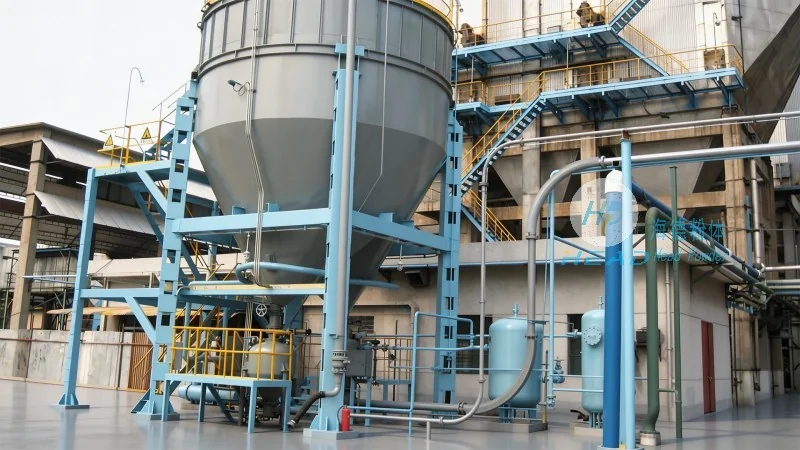
The conveying pipeline is the main channel through which the fly ash is transported. It is typically made of materials such as stainless steel, carbon steel, or plastic, depending on the corrosive properties of the fly ash and the operating conditions. The pipeline is designed to withstand the pressure or vacuum levels and the abrasive nature of the fly ash particles. The system from headpowder includes flexible and rigid pipeline options, allowing for easy installation and adaptation to different site layouts. The pipeline is equipped with appropriate fittings, such as elbows, tees, and bends, to direct the flow of fly ash and minimize pressure losses.
Material feeders are used to introduce the fly ash into the conveying pipeline at a controlled rate. These devices ensure that the material is fed smoothly and continuously, preventing blockages and maintaining consistent flow rates. Common types of feeders include rotary valves, screw conveyors, and star feeders. The headpowder system incorporates advanced material feeders that are designed to handle the specific characteristics of desulfurization and dust removal fly ash, such as high moisture content and abrasive particles. These feeders are equipped with wear-resistant materials and adjustable speed controls to optimize the feeding process.
Dust separation and collection equipment is crucial for maintaining air quality and preventing dust emissions during the conveying process. The system includes components such as cyclone separators, bag filters, and electrostatic precipitators. Cyclone separators use centrifugal force to separate the fly ash particles from the air stream, while bag filters capture fine particles using fabric filters. The headpowder system features high-efficiency dust separation units that meet environmental regulations and ensure minimal air pollution. These units are designed to handle high volumes of fly ash and maintain consistent performance over extended periods.
Control and monitoring systems are essential for managing the operation of the pneumatic conveying system and ensuring its safe and efficient performance. These systems include sensors, control panels, and automation equipment that monitor parameters such as pressure, flow rate, and temperature. The headpowder system incorporates advanced control systems that allow for real-time monitoring and adjustment of the conveying process. The control panel provides operators with clear indicators of system status and alerts for any abnormalities, ensuring quick response and minimal downtime. The automation features also help to optimize energy consumption and reduce operational costs.
Desulfurization and dust removal fly ash pneumatic conveying systems are widely used in various industrial applications, including power generation, cement production, and waste management. The primary benefits of these systems include:
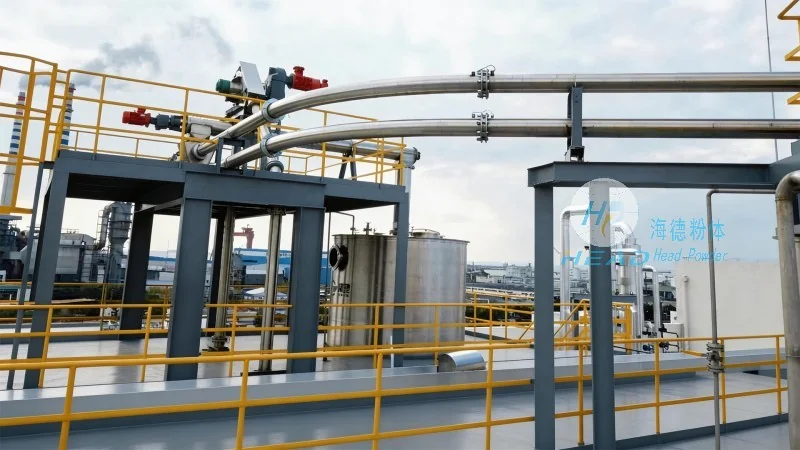
The pneumatic conveying system provides a continuous and reliable method for transporting fly ash from the desulfurization and dust removal units to storage or disposal locations. This method is faster and more efficient than traditional methods such as trucks or belt conveyors, reducing transportation time and costs. The headpowder system is designed to handle large volumes of fly ash, ensuring that the material is transported in a timely manner and minimizing the risk of material accumulation at the source.
By using a closed system, the pneumatic conveying system minimizes the release of fly ash particles into the environment, reducing air pollution and improving environmental compliance. The dust separation and collection equipment ensures that the air discharged from the system meets the required standards. The headpowder system is equipped with high-efficiency dust filters that capture over 99% of the fly ash particles, ensuring that the system operates in an environmentally friendly manner.
The pneumatic conveying system is a closed-loop system, which reduces the risk of dust explosions and other safety hazards associated with open handling of fly ash. The system is designed to be reliable and durable, with components that are resistant to wear and corrosion. The headpowder system includes safety features such as pressure relief valves and emergency shut-off systems to prevent accidents and ensure the safety of personnel. The system is also equipped with maintenance-friendly designs, allowing for easy inspection and repair.
Although the initial investment for a pneumatic conveying system may be higher than traditional methods, the long-term operational costs are lower. The system requires less labor and maintenance compared to truck or belt conveyor systems, reducing labor costs and maintenance expenses. The headpowder system is designed for low maintenance, with components that have long service lives and are easy to replace. The energy efficiency of the system also helps to reduce operational costs, making it a cost-effective solution for fly ash handling.
Desulfurization and dust removal fly ash pneumatic conveying systems are essential for efficient and safe handling of fly ash in industrial applications. The classification and composition of these systems are critical for selecting the appropriate system for specific applications. The positive pressure and negative pressure systems offer different advantages and are suitable for different operational requirements. The key components, including air blowers, conveying pipelines, material feeders, dust separation equipment, and control systems, work together to ensure the effective operation of the system. The applications of these systems include power generation, cement production, and waste management, with benefits such as efficient material transport, reduced environmental impact, improved safety, and cost-effective operation. The system from Shandong HeadPowder Engineering Co., Ltd. (headpowder) is a reliable and efficient solution for fly ash handling, designed to meet the needs of various industrial applications.

 Shandong Headpowder Engineering Co., Ltd.
 156-6277-7102(Manager Zhang)
  0531-83386006
  Zhangqiu District, Jinan City, Shandong Province, China
telephone
WeChatconsult
top