

What is Silicon Carbide Material Handling? And What Are Its Design Principles?
When discussing industrial material handling, silicon carbide (SiC) is a critical component in many high-performance applications. The efficient transport and processing of silicon carbide materials require specialized equipment and design principles tailored to the unique properties of this compound. This article explores the fundamentals of silicon carbide material handling, delving into the design principles that ensure safe, efficient, and reliable operation in various industrial settings.
Introduction to Silicon Carbide Material Handling
Silicon carbide is a synthetic compound with exceptional hardness, thermal stability, and electrical conductivity, making it indispensable in sectors such as semiconductor manufacturing, abrasive tools, and high-temperature applications. Material handling for silicon carbide involves the movement, storage, and processing of this material from raw form to finished products. The complexity of SiC material handling arises from its abrasive nature and the need for precise control to prevent damage to both the material and handling equipment.
Understanding the Core Concepts of Silicon Carbide Material Handling
The primary goal of silicon carbide material handling is to maintain the integrity of the material while optimizing operational efficiency. This involves selecting appropriate equipment, such as conveyor systems, storage bins, and handling tools, that can withstand the mechanical and thermal stresses associated with SiC. Key considerations include material flow control, dust management, and the prevention of contamination, as even minor impurities can affect the performance of silicon carbide products.
Design Principles Behind Silicon Carbide Material Handling Systems
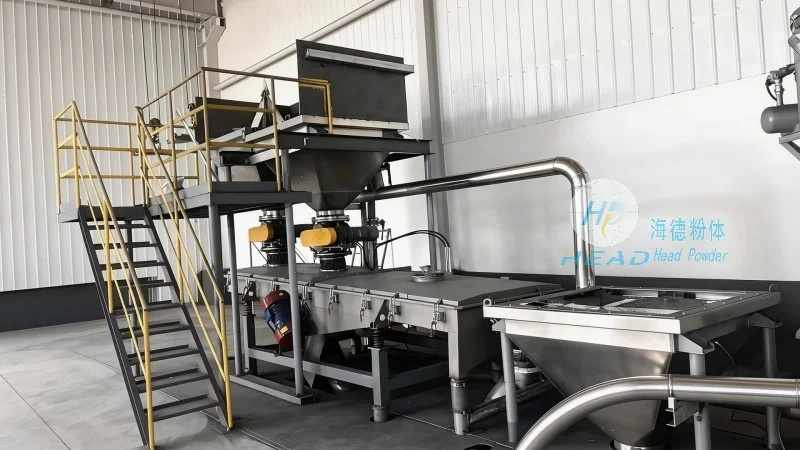
Effective silicon carbide material handling systems are built on several fundamental design principles. First, durability and resistance to wear are paramount, as SiC is highly abrasive and can quickly degrade standard equipment. Engineers often use materials like hardened steel, ceramic coatings, or specialized polymers to protect components from wear and tear. Second, thermal management is critical, as SiC can generate significant heat during processing. Proper cooling systems and heat-resistant materials are integrated into the design to maintain optimal operating temperatures. Third, precision and control are essential, especially when handling fine powders or small particles, which require gentle handling to avoid agglomeration or damage. These principles collectively ensure that material handling operations are both efficient and safe.
Key Components and Their Functions in Material Handling
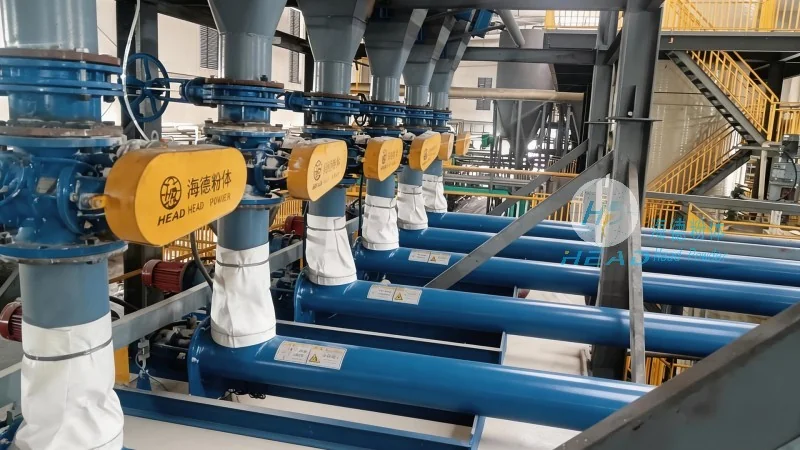
Several key components are integral to silicon carbide material handling systems. Conveyors, such as belt or screw conveyors, are commonly used to transport bulk silicon carbide from storage to processing areas. These systems are designed with reinforced surfaces and wear-resistant liners to handle the abrasive nature of the material. Storage bins and hoppers are used to store SiC in bulk, often equipped with aeration systems to prevent caking and maintain material flow. Handling tools, including scoops, shovels, and specialized buckets, are used for manual or semi-automated material transfer. Each component is carefully selected and integrated to ensure seamless material flow and minimal downtime.
Applications and Industries Benefiting from Silicon Carbide Material Handling
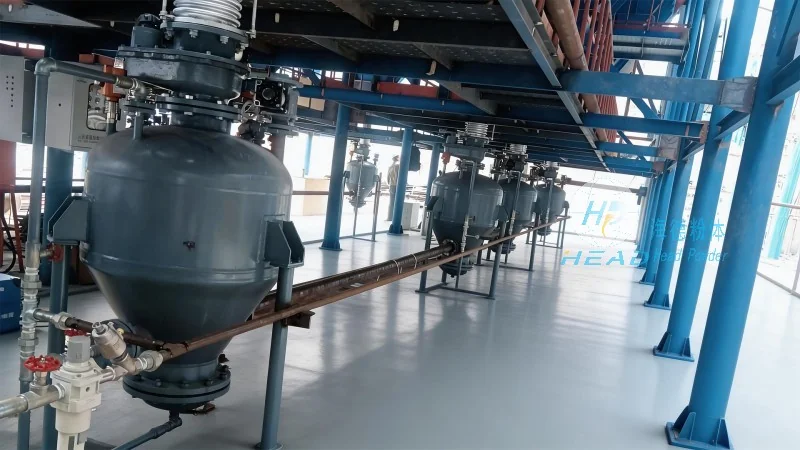
Silicon carbide material handling is vital in multiple industries. In the semiconductor industry, SiC is used in power electronics and high-frequency devices, requiring precise handling to avoid contamination. The abrasive tools industry relies on SiC for grinding and polishing applications, where material handling ensures consistent quality and performance. High-temperature applications, such as refractory linings and furnace components, also benefit from efficient SiC material handling to maintain product integrity and operational efficiency. Each industry has specific requirements, but the underlying principles of durability, precision, and thermal management remain consistent across applications.
The Role of Shandong HeadPowder Engineering Co., Ltd. in Material Handling Solutions
Shandong HeadPowder Engineering Co., Ltd., a leading provider of material handling solutions, specializes in designing and manufacturing equipment tailored to the unique needs of silicon carbide and other high-performance materials. With a focus on durability, precision, and innovation, the company has developed advanced systems that address the challenges of SiC material handling. Their expertise in material science and engineering ensures that their solutions are both effective and reliable. The company’s commitment to quality and customer satisfaction has made it a trusted partner for industries relying on silicon carbide products. By integrating the latest design principles and materials, Shandong HeadPowder Engineering Co., Ltd. continues to enhance the efficiency and safety of material handling operations in the silicon carbide sector.