With more than 10‑year industry experience, Shandong Headpowder delivers full‑service pneumatic‑conveying systems and blowers, undertaking nationwide turn‑key powder‑handling projects.
For industries dealing with soybean protein powder, efficient and reliable material handling is crucial to maintain product quality and operational efficiency. The pneumatic conveying system for soybean protein powder is a key solution that ensures safe and effective transportation of this high-value material. This article will explore the classification and essential components of such systems, highlighting the expertise of Shandong HeadPowder Engineering Co., Ltd. (headpowder), a leading provider of specialized material handling solutions based in Shandong, China.
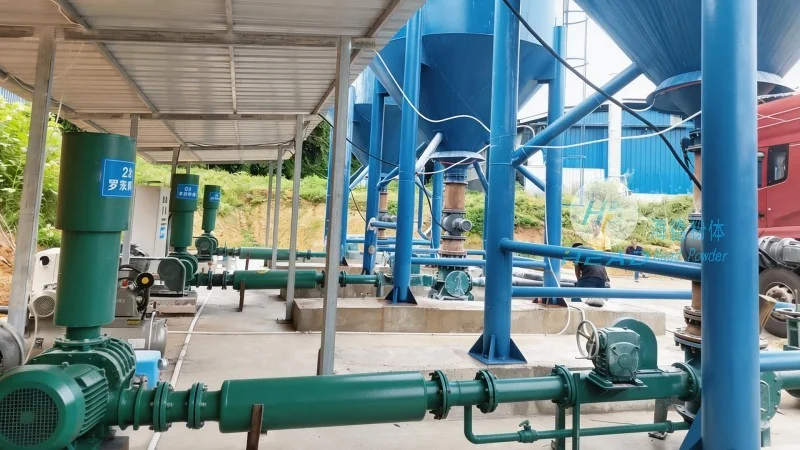
Soybean protein powder pneumatic conveying systems are typically classified based on the conveying principle and the type of air flow used. The primary classifications include pressure systems, vacuum systems, and combined systems. Pressure systems utilize positive pressure to push material through the pipeline, while vacuum systems use negative pressure to draw material from the source. Combined systems, as the name suggests, integrate both pressure and vacuum elements to offer flexibility in conveying different materials over varying distances and heights. Each classification has its own advantages and is selected based on factors such as the material's properties, the distance to be conveyed, and the required flow rate.
The effectiveness of a soybean protein powder pneumatic conveying system depends on its well-designed components, each playing a critical role in the overall operation. The main components include the material feeder, which ensures a consistent and controlled flow of soybean protein powder into the system; the air compressor or vacuum pump, which provides the necessary pressure or vacuum to move the material; the conveying pipeline, which transports the material and air mixture; the separation and collection equipment, such as cyclones or filters, which separate the material from the air; and the control system, which monitors and regulates the operation to maintain optimal performance. Each component must be carefully selected and integrated to ensure the system operates efficiently and safely, minimizing the risk of material degradation or equipment damage.
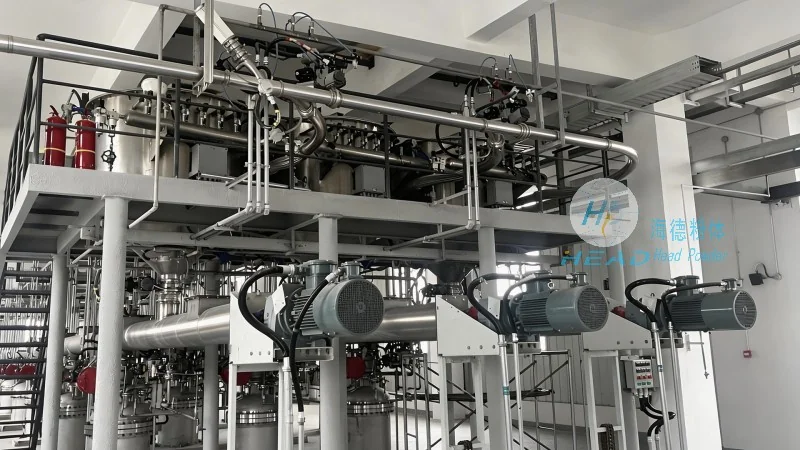
Shandong HeadPowder Engineering Co., Ltd., operating under the brand name headpowder, specializes in the design, manufacturing, and installation of advanced pneumatic conveying systems tailored for soybean protein powder applications. With years of experience in the industry, HeadPowder understands the unique challenges associated with handling soybean protein powder, including its fine particle size, hygroscopic nature, and potential for dust generation. The company's team of engineers and technicians work closely with clients to assess their specific requirements, such as production capacity, conveying distance, and environmental regulations, to develop customized solutions that meet both operational and safety standards. HeadPowder's commitment to quality and innovation ensures that their systems are not only efficient but also durable and low-maintenance, providing long-term value to their clients.
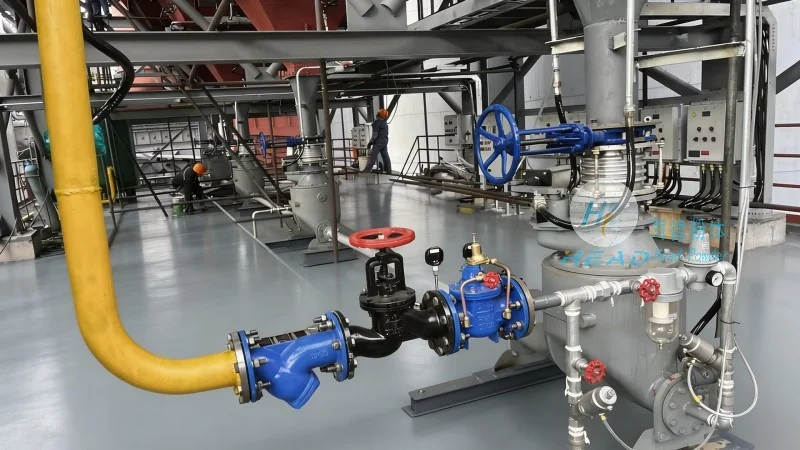
When handling soybean protein powder, maintaining product quality and ensuring workplace safety are paramount. Pneumatic conveying systems designed by HeadPowder incorporate features that address these critical aspects. For quality preservation, the system uses gentle handling techniques to prevent agglomeration or degradation of the protein powder, which could affect its nutritional value and marketability. The equipment is also designed to minimize exposure to moisture and contaminants, which are common issues in the storage and transportation of soybean protein powder. In terms of safety, the system includes features such as explosion-proof designs for the air compressor and vacuum pump, as well as dust collection systems to control airborne particles and prevent respiratory hazards. These measures align with industry standards and regulations, ensuring that the system operates safely in industrial environments.
HeadPowder recognizes that each soybean protein powder processing facility has unique operational requirements. Therefore, the company offers comprehensive customization options to meet specific needs. This includes adjusting the system's capacity, modifying the conveying distance, or integrating additional components such as mixing or drying units. The company also provides thorough after-sales support, including installation supervision, training for operators, and maintenance services. By offering personalized solutions and ongoing support, HeadPowder ensures that clients can maximize the performance and lifespan of their pneumatic conveying systems, leading to improved productivity and reduced operational costs.

 Shandong Headpowder Engineering Co., Ltd.
 156-6277-7102(Manager Zhang)
  0531-83386006
  Zhangqiu District, Jinan City, Shandong Province, China
telephone
WeChatconsult
top