With more than 10‑year industry experience, Shandong Headpowder delivers full‑service pneumatic‑conveying systems and blowers, undertaking nationwide turn‑key powder‑handling projects.
Plaster powder material handling systems are critical components in industrial and construction settings, designed to efficiently transport and manage plaster powder from storage to processing or application points. For companies like Shandong HeadPowder Engineering Co., Ltd., understanding the core principles of these systems is essential for optimizing production efficiency and ensuring material integrity. This article explores the fundamental aspects of plaster powder material handling, including its design considerations and operational mechanics.
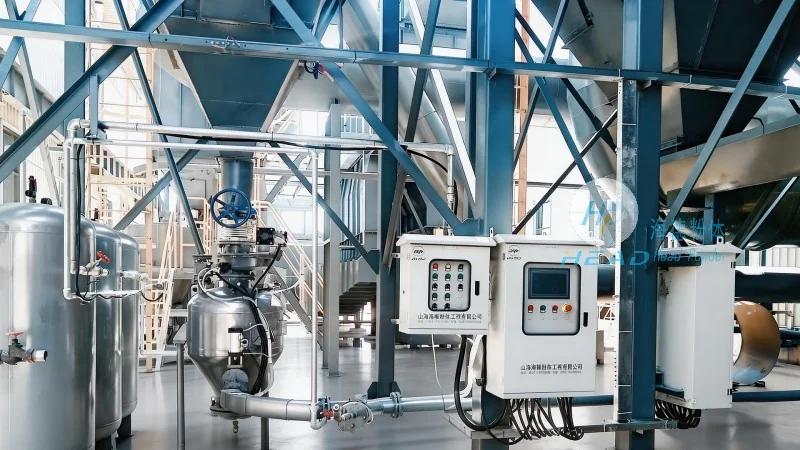
Effective plaster powder material handling relies on several key components that work in tandem to ensure smooth operation. The primary components include storage silos or hoppers, which are designed to hold large quantities of plaster powder while maintaining its quality. These storage vessels are typically constructed from durable materials like stainless steel or reinforced plastic to prevent contamination and material degradation. From the storage silos, material is transferred to conveyor systems, which can include screw conveyors, belt conveyors, or pneumatic conveying lines, depending on the specific application requirements. Screw conveyors are particularly useful for horizontal or slight incline transport, while pneumatic conveying systems are ideal for long-distance or vertical transport, especially when dealing with fine powders like plaster. Additionally, feeding mechanisms such as rotary valves or gate valves are used to control the flow of powder from the storage silo to the conveyor, ensuring precise and controlled discharge. These components collectively form a robust system that minimizes material loss and maintains consistent flow rates, which is crucial for maintaining product quality and reducing downtime.
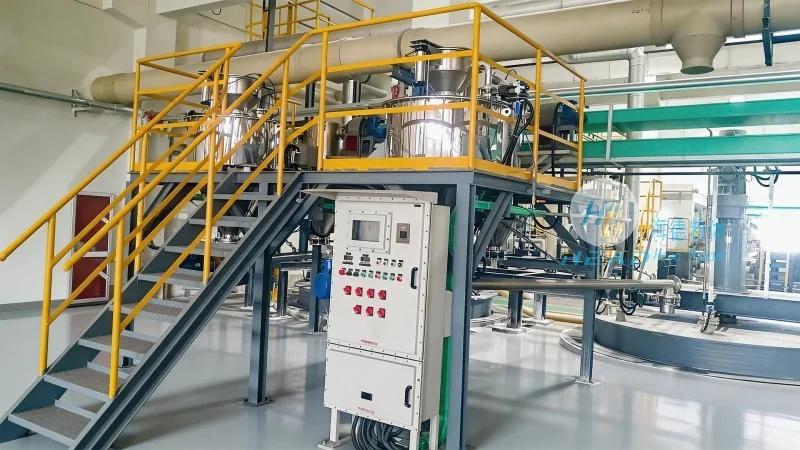
The design of plaster powder material handling systems is guided by several key principles aimed at maximizing efficiency, safety, and material integrity. One of the most critical principles is the prevention of material segregation and caking. Plaster powder, being a fine particulate material, is prone to settling and forming lumps if not handled properly. To address this, systems often incorporate vibration mechanisms or agitators within the storage silos to keep the material in a fluidized state. This ensures that the powder remains well-mixed and prevents the formation of hard clumps that can block conveyor systems or affect the quality of the final product. Another important design principle is the minimization of air leakage and contamination. Since plaster powder is often used in applications where purity is essential, such as in construction or manufacturing, the system must be airtight and free from dust ingress. This is achieved through the use of sealed hoppers, proper sealing of conveyor joints, and the incorporation of dust collection systems. The design also considers the need for easy maintenance and cleaning. Components like hoppers and conveyor sections are often designed with removable panels or access points, allowing for quick inspection and cleaning to prevent material buildup and ensure long-term system performance. Furthermore, the system is engineered to handle the specific properties of plaster powder, such as its fine particle size and potential for static electricity. Anti-static measures, such as grounding and the use of conductive materials, are incorporated to prevent powder accumulation and ensure safe operation. By adhering to these design principles, companies like Shandong HeadPowder Engineering Co., Ltd. can develop systems that not only transport plaster powder efficiently but also maintain its quality and ensure safe operation in industrial environments.
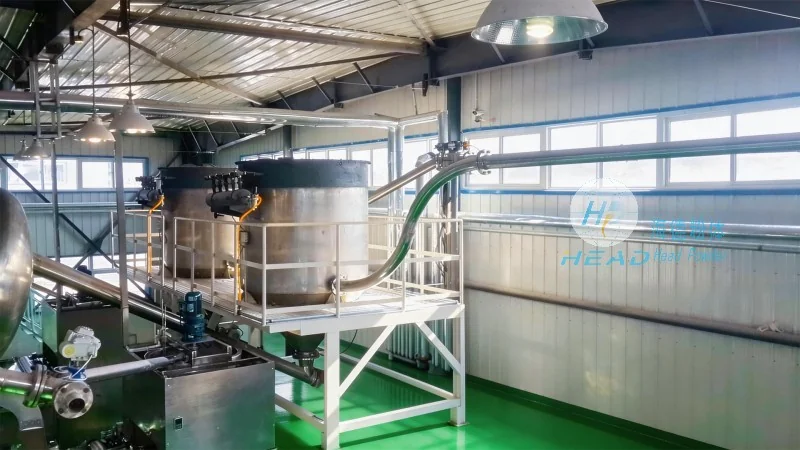
Once the plaster powder material handling system is installed and operational, several considerations and maintenance practices are essential to ensure optimal performance. Regular maintenance is crucial to prevent system failures and maintain material quality. This includes routine inspections of conveyor belts, bearings, and drive mechanisms to identify and address wear and tear. The storage silos and hoppers should be checked for signs of material buildup or caking, and cleaning procedures should be followed to remove any accumulated powder. Additionally, the feeding mechanisms, such as rotary valves, should be inspected for proper operation and adjusted as needed to maintain consistent flow rates. Another operational consideration is the control of moisture content. Plaster powder is sensitive to moisture, which can cause clumping and reduce its effectiveness. The system should be designed with moisture-resistant materials and include measures to prevent moisture ingress, such as proper sealing and the use of desiccant systems if necessary. The use of proper instrumentation, such as flow meters and level sensors, is also important to monitor the system's performance in real-time. These instruments provide data on material flow rates, silo levels, and other critical parameters, allowing operators to make informed decisions and adjust the system as needed. By implementing these operational considerations and maintenance practices, companies can ensure that their plaster powder material handling systems operate efficiently and reliably, minimizing downtime and maximizing productivity.
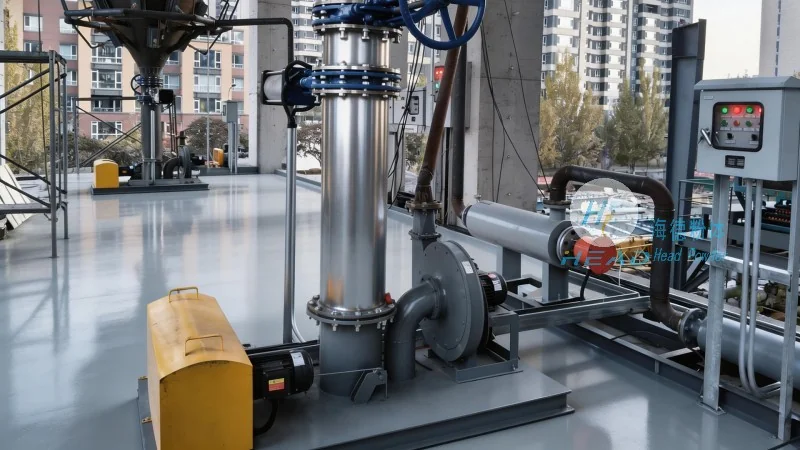
In conclusion, plaster powder material handling systems are vital for the efficient and safe transport of plaster powder in industrial and construction applications. The design principles and components discussed in this article, such as the use of durable storage vessels, efficient conveyor systems, and proper feeding mechanisms, are essential for maintaining material quality and ensuring smooth operation. Companies like Shandong HeadPowder Engineering Co., Ltd. play a crucial role in developing and implementing these systems, providing solutions tailored to the specific needs of their clients. By adhering to the design principles of preventing segregation, minimizing contamination, and ensuring easy maintenance, these systems can significantly improve production efficiency and product quality. As the demand for plaster powder continues to grow, the importance of well-designed material handling systems will only increase, making it essential for companies to invest in robust and reliable solutions. With proper design and maintenance, plaster powder material handling systems can provide long-term benefits, ensuring that plaster powder is transported safely and efficiently from storage to its final application, supporting the success of construction and manufacturing projects.

 Shandong Headpowder Engineering Co., Ltd.
 156-6277-7102(Manager Zhang)
  0531-83386006
  Zhangqiu District, Jinan City, Shandong Province, China
telephone
WeChatconsult
top