With more than 10‑year industry experience, Shandong Headpowder delivers full‑service pneumatic‑conveying systems and blowers, undertaking nationwide turn‑key powder‑handling projects.
HeadPowder, a leading engineering firm based in Shandong, China, specializes in the design and implementation of advanced pneumatic conveying systems tailored for handling sawdust and wood flakes. These systems are critical in various industrial applications, including woodworking, biomass processing, and material handling, where efficient and reliable transport of bulk materials is essential. This article provides a detailed overview of the classification and key components of such systems, highlighting the technological advancements and practical applications in modern industrial settings.
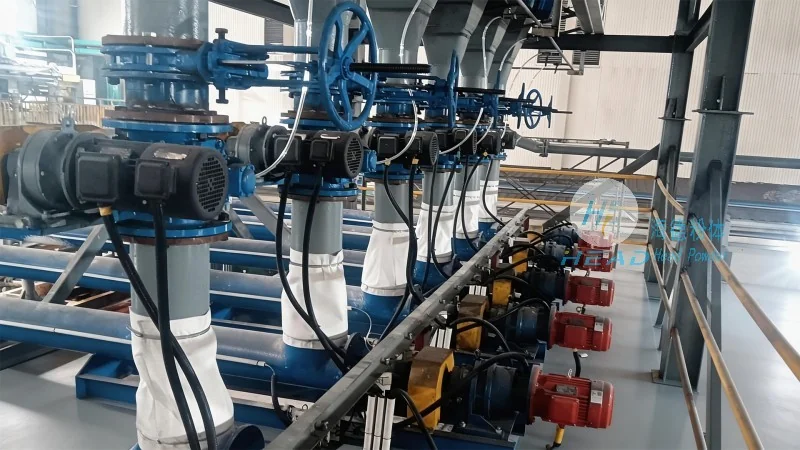
Based on the operating principles and system design, sawdust and wood flakes pneumatic conveying systems can be broadly classified into several categories. The primary classification is based on the pressure differentials used to move the material, which includes low-pressure, medium-pressure, and high-pressure systems. Low-pressure systems typically operate at pressures below 0.5 bar, using suction to draw materials from a source, making them suitable for short-distance and low-volume applications. Medium-pressure systems operate between 0.5 to 2 bar, offering a balance between energy efficiency and material transport capacity, ideal for medium-distance and moderate throughput scenarios. High-pressure systems, on the other hand, operate at pressures above 2 bar, providing high-velocity air flow that enables long-distance and high-capacity transport, though they require more robust equipment and higher energy input.
The effective operation of a sawdust and wood flakes pneumatic conveying system relies on several critical components, each playing a vital role in the material transport process. The primary components include the material feed hopper, which serves as the storage and feeding unit, ensuring a consistent supply of sawdust or wood flakes into the system. The air compressor, either positive displacement or centrifugal, generates the necessary air pressure to move the material through the pipeline. The pipeline system, made from materials like stainless steel or PVC, is designed to withstand the pressure and temperature conditions, with appropriate fittings and valves to control the flow. The material separator or cyclone is a crucial component for separating the conveyed material from the air stream, allowing for the collection of the product at the destination. Additionally, the system may include a filter or dust collector to ensure air quality and compliance with environmental regulations. The control system, which integrates sensors and automation, monitors and regulates the operation, ensuring optimal performance and safety.
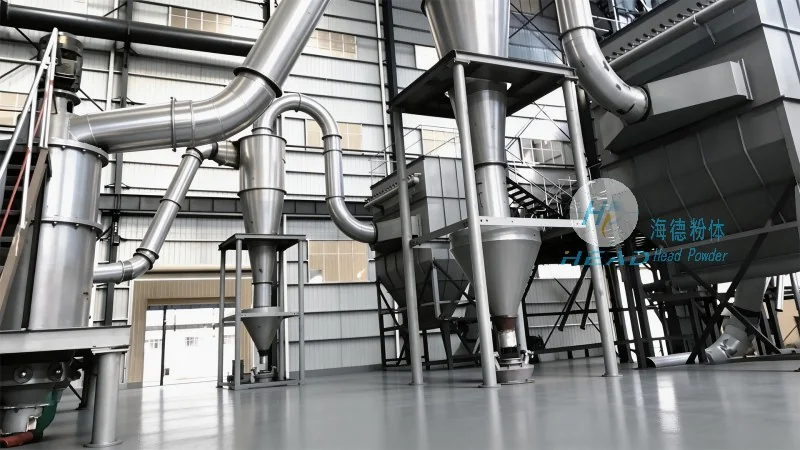
The material feed hopper is the initial component where sawdust or wood flakes are stored before being conveyed. It is designed to accommodate the bulk material and provide a uniform feed to the system. The feeding mechanism, which can be a rotary valve, screw feeder, or vibratory feeder, ensures that the material is discharged at a controlled rate, preventing blockages and maintaining consistent flow. The design of the hopper and feeding mechanism is critical to avoid material bridging or agglomeration, which can lead to system inefficiencies or failures. For sawdust and wood flakes, which are often light and prone to dust generation, the hopper is typically equipped with a dust suppression system to minimize airborne particles and improve operational safety.
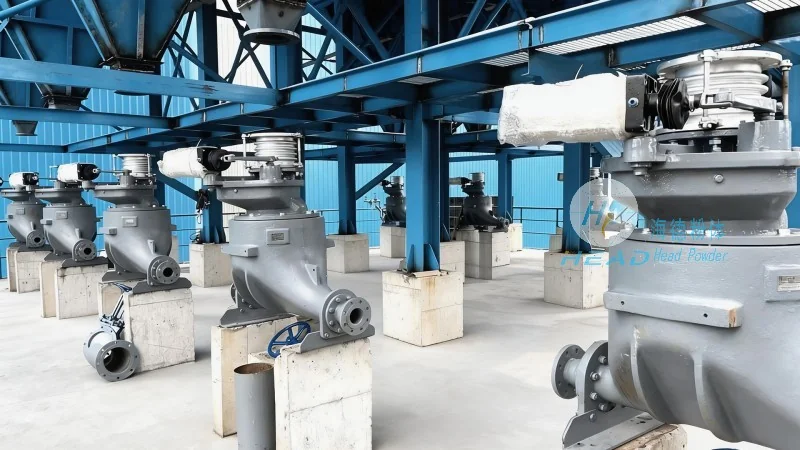
The air compressor is the heart of the pneumatic conveying system, responsible for generating the pressure needed to move the material. Positive displacement compressors, such as rotary lobe or screw compressors, are commonly used for low to medium-pressure systems due to their efficiency and ability to handle variable loads. Centrifugal compressors are preferred for high-pressure systems, offering high flow rates and reliability for long-distance transport. The compressor is equipped with pressure regulation and control systems to maintain consistent pressure levels, ensuring stable material transport. The air intake is often filtered to remove contaminants, protecting the compressor and extending its lifespan. The system may also include a receiver tank to store compressed air, providing a buffer and smoothing out pressure fluctuations.
The pipeline system is a critical component that transports the material and air from the source to the destination. The choice of pipeline material depends on the material being conveyed and the operating conditions. Stainless steel is commonly used for its corrosion resistance and durability, especially when handling wood flakes that may contain moisture or acidic components. PVC or polyethylene pipes are used for low-pressure systems due to their lower cost and flexibility. The pipeline is designed with appropriate diameters and slopes to ensure smooth flow and prevent material settling or blockages. Fittings, such as elbows, tees, and valves, are strategically placed to control the flow direction and pressure. The use of smooth, internal surfaces in the pipeline reduces friction and energy loss, enhancing the system's efficiency. For long-distance transport, the pipeline may include expansion joints or flexible connectors to accommodate thermal expansion and reduce stress on the system.

 Shandong Headpowder Engineering Co., Ltd.
 156-6277-7102(Manager Zhang)
  0531-83386006
  Zhangqiu District, Jinan City, Shandong Province, China
telephone
WeChatconsult
top