With more than 10‑year industry experience, Shandong Headpowder delivers full‑service pneumatic‑conveying systems and blowers, undertaking nationwide turn‑key powder‑handling projects.
Stone coal material handling, also known as stone coal conveying, refers to the process of transporting stone coal from its source to the processing or utilization site. This type of material handling is crucial in industries such as mining, power generation, and construction, where stone coal is a key raw material. The efficient and reliable transportation of stone coal directly impacts operational efficiency and cost-effectiveness in these sectors.
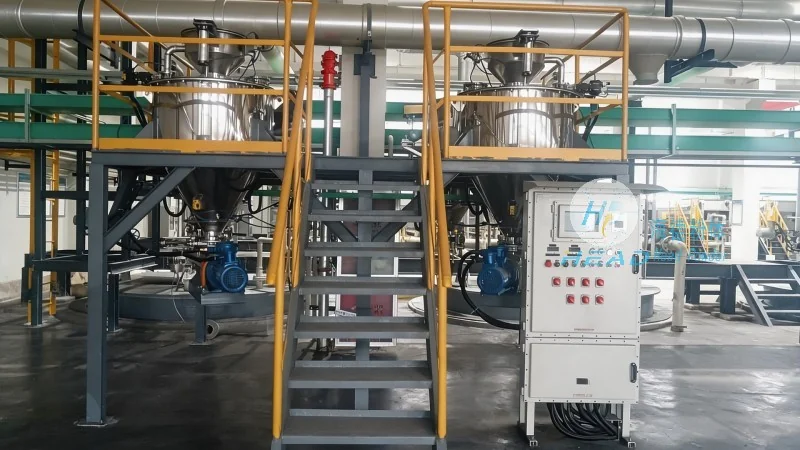
Stone coal material handling systems are engineered to handle the unique characteristics of stone coal, which often includes a mix of coal particles and rock fragments. These systems must be designed to accommodate the varying sizes, densities, and moisture content of the material. The primary goal is to ensure that the material is moved safely, efficiently, and with minimal loss or degradation. This involves selecting appropriate equipment such as conveyors, crushers, and storage facilities that can handle the specific properties of stone coal.
The design of stone coal material handling systems follows several fundamental principles to ensure optimal performance. First, the system must be capable of handling the material's bulk density and flow characteristics. This involves selecting conveyors with sufficient capacity and power to move the material without excessive wear or blockages. Second, the system should incorporate mechanisms to prevent material buildup and ensure smooth flow, such as proper inclination angles and material feed controls. Third, the design must consider the environmental and safety aspects, including dust control and equipment maintenance protocols. Additionally, the system should be scalable to accommodate changes in production volume and material characteristics over time.
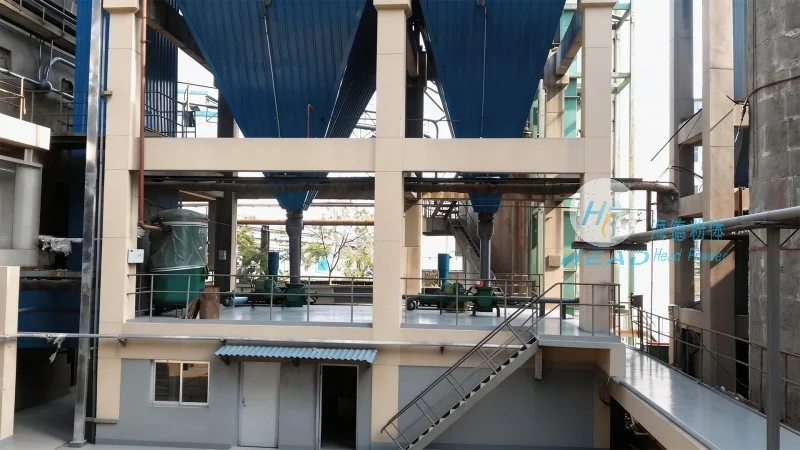
A typical stone coal material handling system consists of several key components that work in tandem to achieve efficient transportation. The primary components include feeders, conveyors, crushers, and storage silos. Feeders are used to regulate the flow of stone coal from the source, ensuring a consistent feed rate to the conveyor. Conveyors, such as belt conveyors or screw conveyors, are responsible for transporting the material over long distances. Crushers may be included to reduce the size of larger rock fragments, making the material more manageable for downstream processes. Storage silos are used to store the conveyed stone coal, providing a buffer for fluctuations in demand or supply.
The physical and chemical properties of stone coal play a critical role in the design of the material handling system. For instance, the moisture content of the material can affect its flowability and the risk of dust generation. High moisture content may require the use of dryers or special conveyor designs to prevent slippage or blockages. Similarly, the hardness and abrasiveness of the material impact the wear rate of conveyor components, necessitating the use of durable materials like high-strength steel or special coatings. The density and particle size distribution also influence the conveyor's capacity and power requirements. Engineers must carefully analyze these properties to select the appropriate equipment and design parameters.
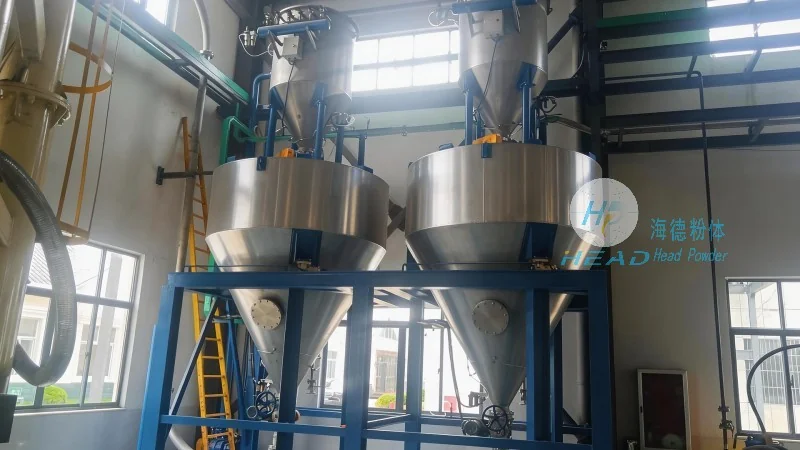
HeadPowder, a leading engineering company based in Shandong, China, specializes in the design and implementation of stone coal material handling systems. With years of experience in the industry, HeadPowder has developed a deep understanding of the unique challenges associated with stone coal transportation. The company's team of engineers and technicians work closely with clients to assess their specific needs and provide tailored solutions. HeadPowder's services include system design, equipment selection, installation, and maintenance, ensuring that the material handling systems operate at peak efficiency. The company's commitment to quality and customer satisfaction has made it a trusted partner for businesses in the mining and power generation sectors.
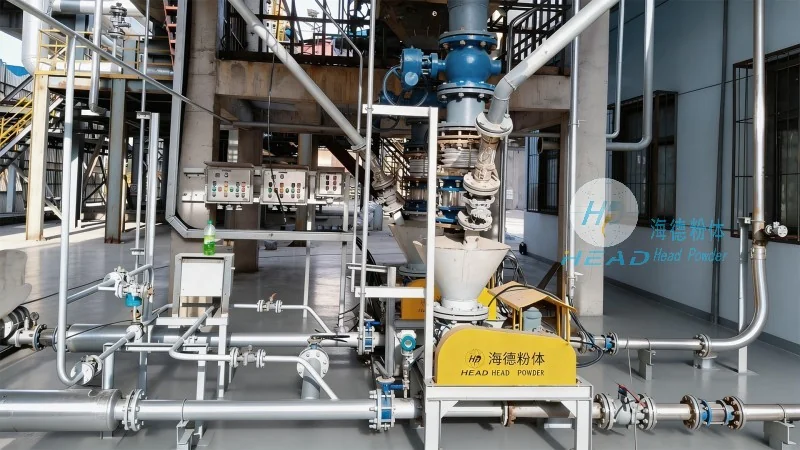
Despite advancements in technology, stone coal material handling systems still face several challenges. One common issue is the buildup of material on conveyor belts, which can lead to reduced efficiency and increased maintenance costs. This is often addressed through the use of cleaning systems and proper belt tensioning. Another challenge is the generation of dust, which can pose health and safety risks. Dust control measures, such as enclosures and filtration systems, are essential to mitigate these risks. Additionally, the wear and tear on equipment due to the abrasive nature of stone coal requires regular inspection and replacement of worn parts. HeadPowder's expertise in addressing these challenges ensures that their clients' systems remain reliable and cost-effective over the long term.
In conclusion, stone coal material handling is a critical process in industries that rely on stone coal as a raw material. The design of the system must consider the unique properties of the material and incorporate appropriate components to ensure efficient and safe transportation. Companies like HeadPowder Engineering play a vital role in providing expert solutions that meet the specific needs of their clients. By adhering to the fundamental design principles and addressing common challenges, businesses can optimize their stone coal material handling operations and achieve greater productivity and cost savings.

 Shandong Headpowder Engineering Co., Ltd.
 156-6277-7102(Manager Zhang)
  0531-83386006
  Zhangqiu District, Jinan City, Shandong Province, China
telephone
WeChatconsult
top