With more than 10‑year industry experience, Shandong Headpowder delivers full‑service pneumatic‑conveying systems and blowers, undertaking nationwide turn‑key powder‑handling projects.
Alumina, a high-purity aluminum oxide (Al₂O₃), is widely used in various industrial applications, including ceramics, refractories, and high-tech materials. The efficient and reliable transport of alumina powders is crucial for maintaining production efficiency and product quality. This article, presented by Shandong HeadPowder Engineering Co., Ltd. (headpowder), delves into the concept of an alumina pneumatic conveying system, detailing its design principles and operational benefits.
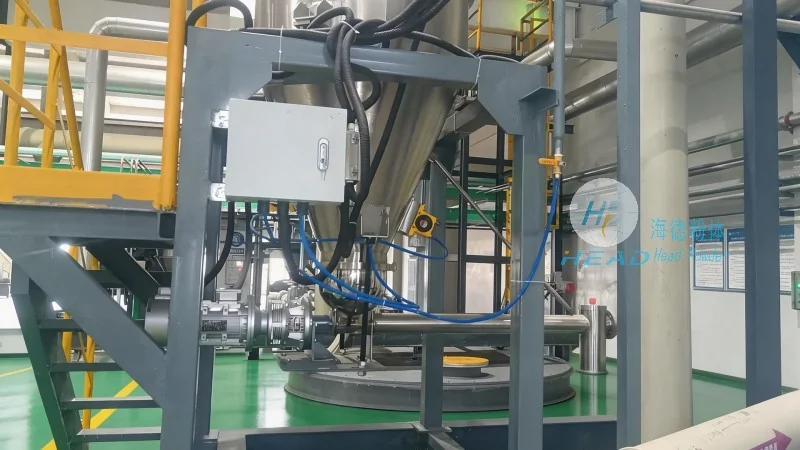
An alumina pneumatic conveying system is a technology used to transport alumina powder through a pipeline using compressed air or other gas as the conveying medium. Unlike traditional mechanical conveying methods, which rely on screws, belts, or buckets, pneumatic conveying offers advantages such as low maintenance, minimal product contamination, and the ability to handle fine powders over long distances. The system typically consists of a hopper, a feeder, a conveying line, and a receiver, all working in tandem to ensure smooth material transfer.
Each component of an alumina pneumatic conveying system plays a critical role in its overall performance. The hopper serves as the storage vessel, holding the alumina powder and providing a consistent feed to the feeder. The feeder, often a rotary valve or a mass flow controller, regulates the flow rate of the powder into the conveying line, preventing blockages and ensuring uniform material transport. The conveying line, made of materials resistant to corrosion and abrasion (such as stainless steel or special plastics), transports the powder and air mixture. The receiver, usually a dust collector or a storage tank, collects the conveyed alumina powder and separates it from the air.
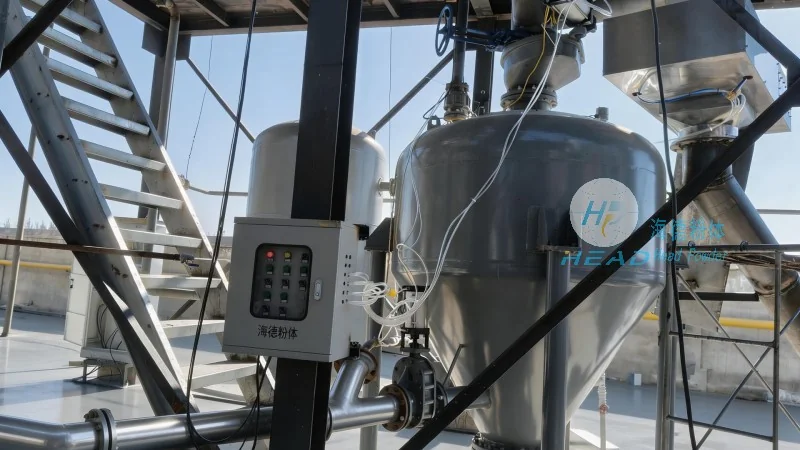
The design of an alumina pneumatic conveying system must consider several factors to ensure optimal performance. The first is the material's properties, including its particle size, density, and flowability. Alumina powders are often fine and cohesive, which can lead to blockages if not properly handled. Therefore, the system design must include features like air classifiers or agitators to maintain the powder's flowability. The second factor is the conveying distance and the required flow rate. For long-distance transport, high-pressure or high-capacity systems may be required to maintain the powder's velocity and prevent settling. The third factor is the system's energy efficiency. By optimizing the air pressure and flow rate, the system can reduce energy consumption while maintaining efficient material transport.
Compared to traditional mechanical conveying methods, alumina pneumatic conveying systems offer several advantages. First, they minimize product contamination, as the material is not in direct contact with metal parts or other surfaces. This is particularly important for high-purity alumina used in semiconductor manufacturing or pharmaceutical applications. Second, they reduce labor costs and maintenance requirements, as there are fewer moving parts and less wear and tear on equipment. Third, they can handle a wide range of particle sizes and flow rates, making them versatile for various industrial applications. Finally, they provide better control over the material's temperature and moisture content, which can affect the final product quality.
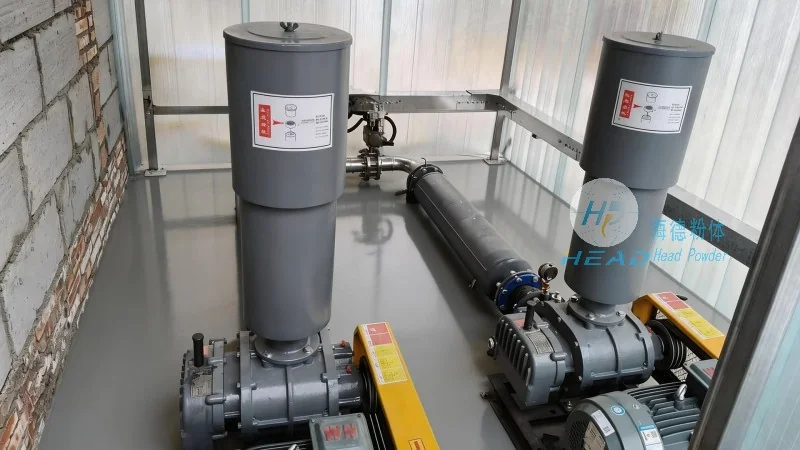
Alumina pneumatic conveying systems are widely used in industries that require the transport of fine powders. In the ceramics industry, for example, they are used to transport alumina powders to kilns and mixers, ensuring consistent material composition. In the refractory industry, they are used to transport alumina-based refractory materials to production lines, improving production efficiency. In the chemical industry, they are used to transport alumina powders to reactors and reactors, facilitating the production of high-purity chemicals. In the pharmaceutical industry, they are used to transport alumina powders to tablet presses and other equipment, ensuring the quality of the final product.
Alumina pneumatic conveying systems are an essential technology for the efficient and reliable transport of high-purity alumina powders. By understanding the design principles and operational considerations, industries can select the appropriate system to meet their specific needs. The advantages of these systems, including minimal contamination, low maintenance, and versatility, make them a preferred choice for many industrial applications. As the demand for high-purity materials continues to grow, the importance of alumina pneumatic conveying systems will only increase, ensuring the continued success of industries that rely on these materials.

 Shandong Headpowder Engineering Co., Ltd.
 156-6277-7102(Manager Zhang)
  0531-83386006
  Zhangqiu District, Jinan City, Shandong Province, China
telephone
WeChatconsult
top