Classification and Composition of Dry Sludge Pneumatic Conveying Systems
Release time:2026-09-14 10:38:47
name of the company:Shandong Headpowder Engineering Co., Ltd.
telephone:156-6277-7102
contacts:Manager Zhang
Dry sludge pneumatic conveying systems are essential in modern waste management and industrial processes, designed to transport dry sludge efficiently without the need for water or mechanical components. These systems operate by using compressed air or other gases to move dry sludge particles through a pipeline network. The classification and composition of such systems are critical for understanding their functionality, application, and maintenance requirements. This article provides a detailed overview of the different categories of dry sludge pneumatic conveying systems and the key components that make up these advanced solutions.
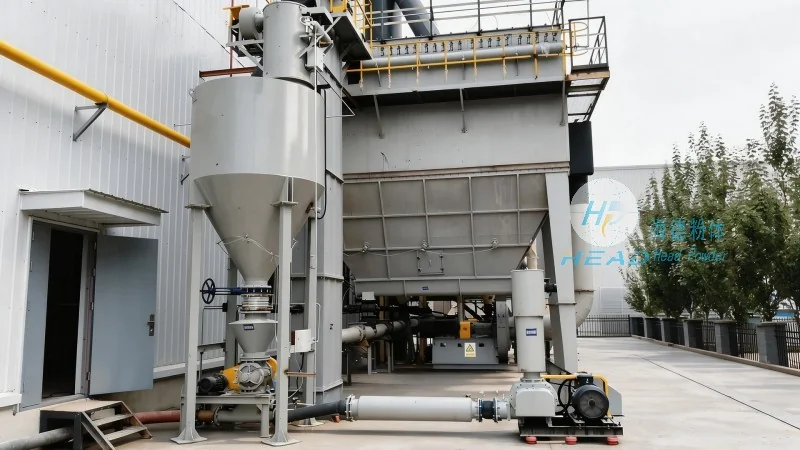
Classification of Dry Sludge Pneumatic Conveying Systems
Dry sludge pneumatic conveying systems can be classified based on several factors, including the type of air flow, the method of particle suspension, and the system's operational pressure. The primary categories include:
- Positive Pressure Systems: In these systems, air is supplied under pressure to the conveying line, pushing the dry sludge particles forward. This method is suitable for long-distance and high-capacity applications, as it can handle larger particles and higher flow rates.
- Negative Pressure (Vacuum) Systems: These systems use a vacuum to draw dry sludge particles into the conveying line. They are ideal for applications where the material needs to be transported from multiple sources or where the system is integrated with existing ventilation infrastructure.
- Combined Pressure-Vacuum Systems: A hybrid approach that combines both positive and negative pressure elements. This type of system offers flexibility, allowing it to handle both long-distance and short-distance transport with varying particle sizes and flow rates.
Each classification has its own advantages and is chosen based on the specific requirements of the application, such as the distance to be covered, the volume of dry sludge to be transported, and the characteristics of the sludge itself (e.g., particle size, moisture content).
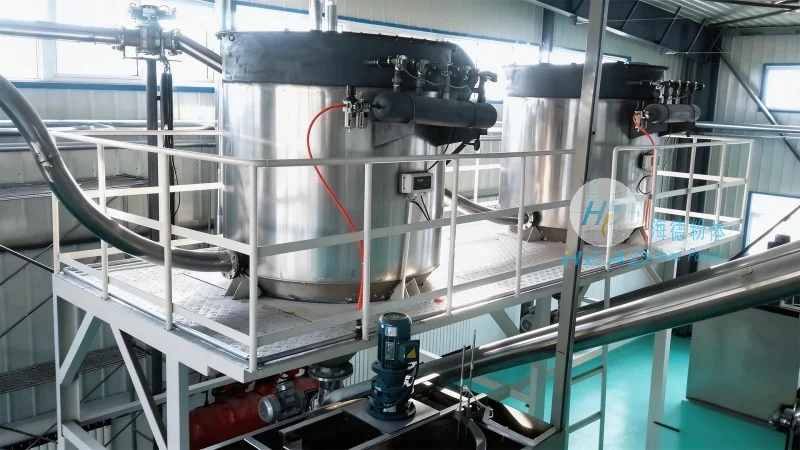
Key Components of Dry Sludge Pneumatic Conveying Systems
The effective operation of a dry sludge pneumatic conveying system relies on several critical components, each playing a specific role in the overall process. The main components include:
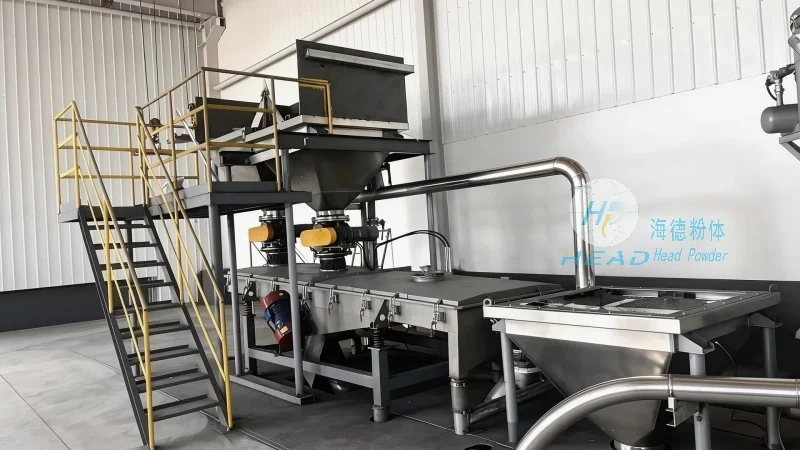
- Feeder: The feeder is responsible for feeding dry sludge into the conveying line at a consistent rate. It ensures that the material is introduced smoothly and prevents blockages or uneven flow. The type of feeder (e.g., rotary valve, screw feeder) is selected based on the sludge's properties and the system's requirements.
- Pneumatic Conveying Line: This is the pipeline through which the dry sludge is transported. The line is typically made of materials such as stainless steel or PVC, chosen for their durability and resistance to corrosion from the dry sludge. The diameter and length of the line are designed to accommodate the flow rate and pressure requirements of the system.
- Compressor or Vacuum Pump: The compressor provides the necessary pressure for positive pressure systems, while the vacuum pump creates the suction for negative pressure systems. The choice of equipment depends on the system's classification and the required pressure or vacuum levels. High-efficiency compressors are preferred to minimize energy consumption and operational costs.
- Control System: The control system monitors and regulates the operation of the entire pneumatic conveying system. It includes sensors for pressure, flow, and level, as well as control valves and actuators. The system ensures that the feeder, compressor, and other components operate in sync, maintaining optimal performance and preventing overloading or underperformance.
- Separation and Collection Equipment: At the end of the conveying line, the dry sludge is separated from the air and collected. This may involve cyclones, filters, or other separation devices, depending on the system's design. The collected dry sludge is then stored or further processed, while the air is filtered and discharged or recirculated.
Application and Benefits of Dry Sludge Pneumatic Conveying Systems
Dry sludge pneumatic conveying systems are widely used in various industries, including wastewater treatment, food processing, and pharmaceutical manufacturing. The primary benefits of these systems include:
- Efficiency and Speed: These systems can transport dry sludge quickly and efficiently over long distances, reducing the time and labor required for manual handling.
- Reduced Maintenance: Unlike mechanical systems, pneumatic conveying systems have fewer moving parts, leading to lower maintenance costs and longer equipment lifespan.
- Hygienic and Clean Operation: The enclosed pipeline design prevents contamination and ensures that the dry sludge remains clean and free from external elements.
- Energy Efficiency: Modern systems are designed to be energy-efficient, with advanced compressors and control systems minimizing energy consumption while maintaining performance.
- Flexibility: The ability to adjust the system's parameters (e.g., pressure, flow rate) allows for adaptation to changing operational needs, making these systems versatile for various applications.
Conclusion and Company Overview
Dry sludge pneumatic conveying systems represent a sophisticated and efficient solution for transporting dry sludge in industrial and waste management applications. By understanding the different classifications and key components of these systems, users can select the most appropriate solution for their specific needs. Shandong HeadPowder Engineering Co., Ltd., a leading provider in this field, specializes in designing and manufacturing high-quality dry sludge pneumatic conveying systems tailored to meet the diverse requirements of clients. With a focus on innovation, quality, and customer satisfaction, HeadPowder delivers reliable and efficient solutions that enhance operational efficiency and reduce costs for its clients.

 Shandong Headpowder Engineering Co., Ltd.
 156-6277-7102(Manager Zhang)
  0531-83386006
  Zhangqiu District, Jinan City, Shandong Province, China