With more than 10‑year industry experience, Shandong Headpowder delivers full‑service pneumatic‑conveying systems and blowers, undertaking nationwide turn‑key powder‑handling projects.
HeadPowder, a leading provider in the field, offers insights into the fundamental aspects of dry powder pneumatic conveying. This technology involves the transport of dry particulate materials using a gas stream, typically air or other gases, to move the material from one location to another. The process is widely used across various industries due to its efficiency and versatility in handling fine powders.
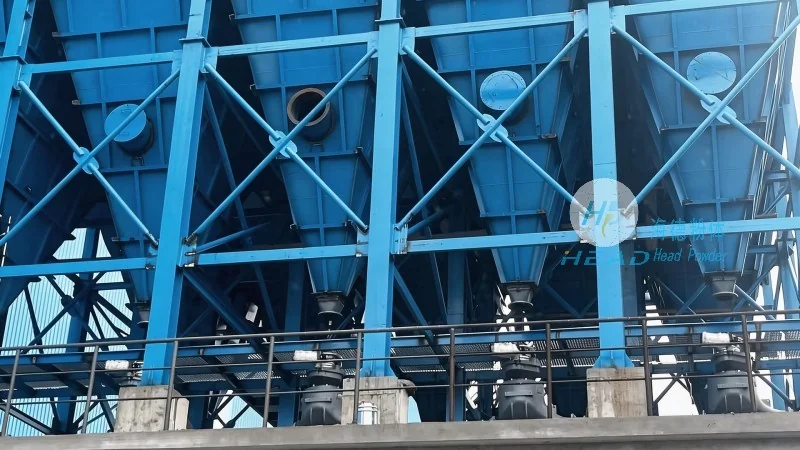
There are primarily two main categories of pneumatic conveying systems: pressure and vacuum systems. Pressure systems operate by pushing the material through a pipeline using a positive pressure source, such as a blower or compressor. These systems are suitable for long-distance and high-volume transport, often used in applications requiring high pressure to overcome resistance. Vacuum systems, on the other hand, use a vacuum to draw material into the system, making them ideal for short-distance or low-volume applications where the material needs to be collected from multiple points.
Several critical components make up a dry powder pneumatic conveying system. The primary components include the material feed hopper, which holds the dry powder and controls the flow rate; the conveying line, which is the pipeline through which the material is transported; the air supply unit, which provides the necessary gas pressure or vacuum; and the control system, which regulates the operation of the entire process. Additionally, accessories like filters, cyclones, and dust collectors are essential to maintain system efficiency and ensure environmental compliance.
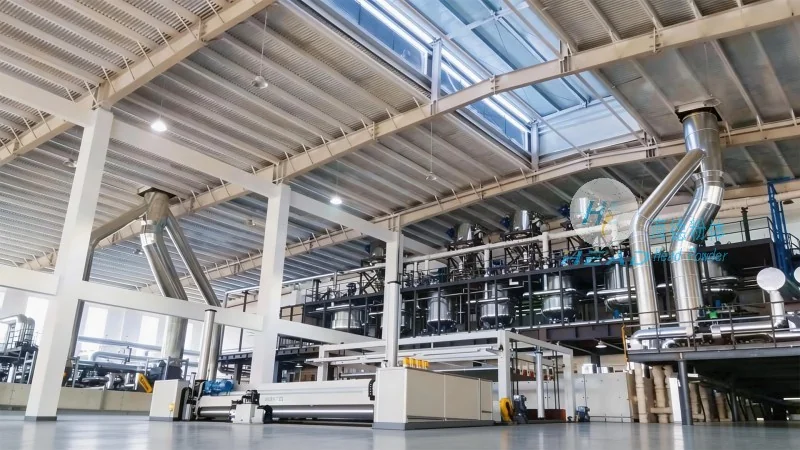
Dry powder pneumatic conveying is applied across a broad spectrum of industries. In the chemical industry, it is used for transporting raw materials and finished products, such as powders and granules. The food and pharmaceutical sectors benefit from this technology for handling sensitive materials, ensuring minimal contamination and maintaining product quality. The mining and minerals industry utilizes it for transporting ore and other bulk materials from processing plants to storage or further processing facilities. Furthermore, in the cement and construction industries, it is employed for transporting cement, additives, and other dry powders, enhancing operational efficiency and reducing labor costs.
One of the significant advantages of dry powder pneumatic conveying is its ability to handle fine and abrasive powders without the need for mechanical components that could cause wear and tear. This reduces maintenance costs and extends the system's lifespan. Another advantage is the flexibility in system design, allowing customization based on the specific requirements of the application, such as distance, material type, and volume. The technology also offers a relatively low capital investment compared to other bulk material handling methods, making it an attractive option for many businesses. Moreover, it provides a clean and enclosed transport process, minimizing dust emissions and improving workplace safety.
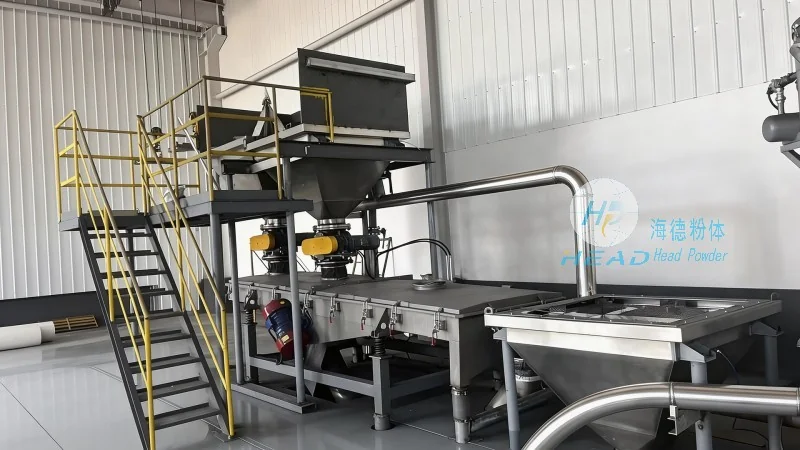
Despite its benefits, dry powder pneumatic conveying also presents challenges that need to be addressed. One common issue is the potential for material degradation due to friction and high velocities within the system. This can affect the quality of the transported material, especially for sensitive products. Another challenge is the need for proper system design and maintenance to prevent blockages and ensure consistent performance. The selection of appropriate materials for the conveying line and components is crucial to withstand the abrasive nature of the powders and the pressure or vacuum conditions. Additionally, energy consumption is a factor to consider, as the system requires a continuous supply of air or gas, which can impact operational costs.
HeadPowder Engineering Co., Ltd., based in Shandong, China, specializes in providing advanced solutions for dry powder pneumatic conveying systems. By understanding the different classifications and applications of this technology, businesses can optimize their material handling processes, improve efficiency, and reduce costs. The company's expertise in designing and implementing customized systems ensures that clients receive tailored solutions that meet their specific operational needs. With a focus on quality and reliability, HeadPowder continues to be a trusted partner in the industry, helping businesses enhance their productivity and maintain compliance with environmental standards.

 Shandong Headpowder Engineering Co., Ltd.
 156-6277-7102(Manager Zhang)
  0531-83386006
  Zhangqiu District, Jinan City, Shandong Province, China
telephone
WeChatconsult
top