Classification and Composition of Denitrification Fly Ash Pneumatic Conveying Systems
Release time:2026-09-14 10:38:47
name of the company:Shandong Headpowder Engineering Co., Ltd.
telephone:156-6277-7102
contacts:Manager Zhang
Denitrification fly ash, a byproduct of flue gas desulfurization processes in power plants, requires efficient and reliable handling systems for safe and effective disposal or reuse. Pneumatic conveying systems have emerged as a preferred solution for transporting this material due to their ability to handle fine particles, minimize dust emissions, and ensure environmental compliance. This article provides an overview of the classification and key components of denitrification fly ash pneumatic conveying systems, highlighting the technological advancements and practical applications in industrial settings.
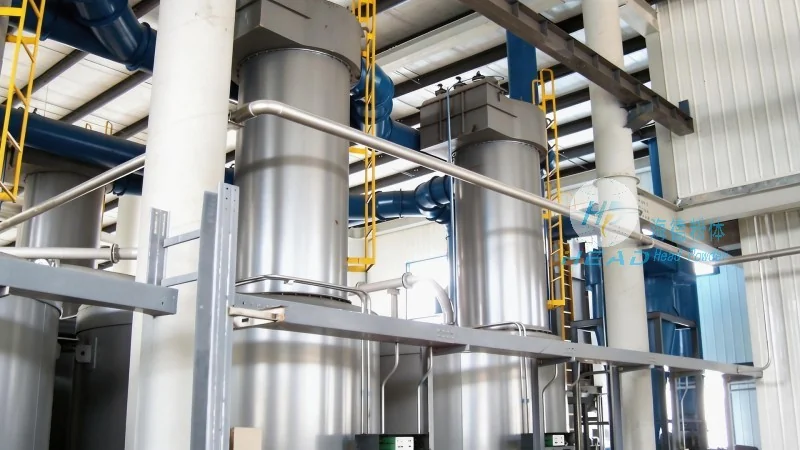
Classification of Pneumatic Conveying Systems for Denitrification Fly Ash
Pneumatic conveying systems for denitrification fly ash are typically classified based on the pressure and flow characteristics of the conveying medium. The primary categories include:
- Positive Pressure Systems: These systems operate by generating positive pressure in the conveying line, using fans or blowers to push the material through the pipeline. They are suitable for long-distance and high-volume transport, with the ability to handle abrasive materials like fly ash without significant wear on components.
- Negative Pressure (Vacuum) Systems: In contrast, negative pressure systems create a vacuum in the pipeline, drawing the material from the source and transporting it to the destination. This approach is ideal for applications requiring material collection from multiple points or for short-distance transport where dust containment is critical.
- Combined Systems: Some advanced setups combine both positive and negative pressure principles, offering flexibility in handling varying material flow rates and distances. This hybrid approach allows for optimized energy consumption and system performance tailored to specific operational needs.
Key Components of Denitrification Fly Ash Pneumatic Conveying Systems
The effective operation of a denitrification fly ash pneumatic conveying system relies on several critical components, each designed to ensure efficient material transport and system reliability:
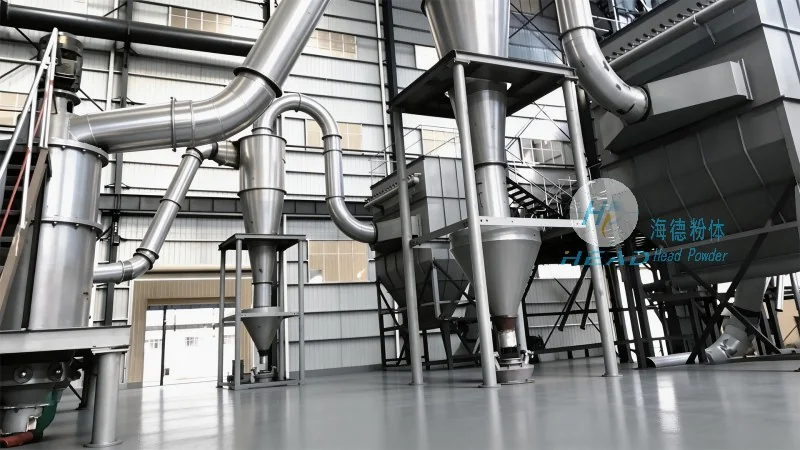
- Material Feeders: These devices, such as rotary valves or screw feeders, control the flow rate of fly ash from the storage silo or hopper into the conveying line. Proper feeding is essential to maintain consistent pressure and prevent blockages or surges in the system.
- Conveying Lines: Typically made of stainless steel or high-grade plastic, the pipeline is designed to withstand the abrasive nature of fly ash and resist corrosion from acidic or alkaline components. The diameter and length of the line are carefully selected based on the material's properties and the required transport distance.
- Air Supply Units: Comprising fans, blowers, or vacuum pumps, these units generate the necessary pressure or vacuum to move the material. The choice of equipment depends on the system type (positive or negative pressure) and the specific requirements for flow rate and pressure drop.
- Separators and Filters: To prevent material deposition and maintain system efficiency, separators and filters are installed at the receiving end. These components capture fine particles and return them to the conveying line, ensuring a clean and continuous operation. Additionally, dust collection systems may be integrated to comply with environmental regulations and minimize emissions.
- Control Systems: Modern pneumatic conveying systems incorporate advanced control panels and sensors to monitor pressure, flow rate, and material levels in real-time. This allows for automated operation, fault detection, and system optimization, enhancing overall efficiency and reducing downtime.
Technical Advantages and Practical Applications
Denitrification fly ash pneumatic conveying systems offer several advantages over traditional methods like belt conveyors or bucket elevators. These include:
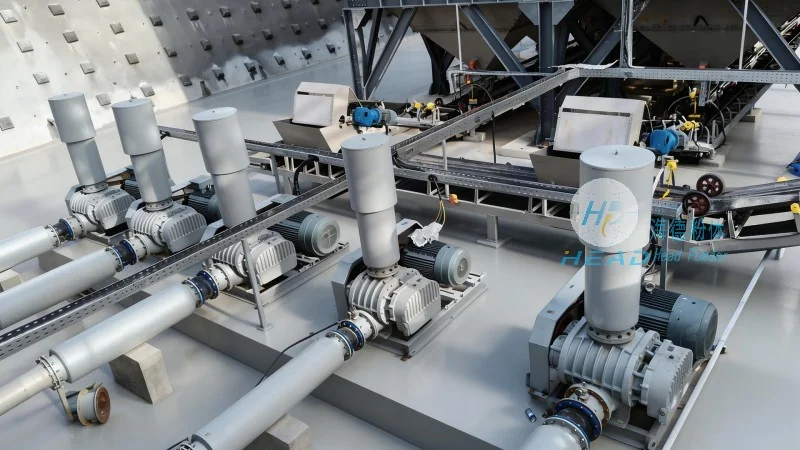
- Reduced Dust Emissions: The enclosed pipeline design minimizes dust dispersion, improving workplace safety and environmental compliance. This is particularly important for handling fine, potentially hazardous fly ash particles.
- Energy Efficiency: By optimizing the pressure and flow characteristics, these systems can achieve lower energy consumption compared to other transport methods, leading to cost savings over time.
- Flexibility in Layout: The modular design of pneumatic conveying systems allows for easy integration into existing plant layouts, with the ability to reconfigure the pipeline for different operational scenarios or future expansions.
- Low Maintenance Requirements: Compared to mechanical systems, pneumatic conveying components experience less wear due to the absence of moving parts in direct contact with the material, resulting in reduced maintenance costs and extended equipment lifespan.
Practical applications of these systems include transporting denitrification fly ash from the desulfurization unit to storage silos, transfer to landfills or recycling facilities, or even to cement plants for use as a supplementary cementitious material. The adaptability of the system design makes it suitable for various industrial settings, from large-scale power plants to smaller industrial facilities.
About Shandong HeadPowder Engineering Co., Ltd.
Shandong HeadPowder Engineering Co., Ltd., operating under the brand name headpowder, is a leading provider of specialized engineering solutions for material handling and processing. With a focus on innovation and customer-centric design, the company develops and manufactures high-quality pneumatic conveying systems tailored to the unique needs of industrial clients. HeadPowder's expertise in handling abrasive and fine materials, such as denitrification fly ash, ensures reliable and efficient operation, contributing to the sustainability and efficiency of industrial processes. The company's facilities are located in Shandong, China, where it leverages local resources and expertise to deliver cutting-edge solutions for global markets.

 Shandong Headpowder Engineering Co., Ltd.
 156-6277-7102(Manager Zhang)
  0531-83386006
  Zhangqiu District, Jinan City, Shandong Province, China