With more than 10‑year industry experience, Shandong Headpowder delivers full‑service pneumatic‑conveying systems and blowers, undertaking nationwide turn‑key powder‑handling projects.
Winery spoilage, also known as grape pomace or grape residue, is a byproduct of the winemaking process that requires efficient and hygienic handling. Pneumatic conveying systems have emerged as a preferred solution for transporting these materials due to their ability to handle abrasive and sticky substances while maintaining high levels of cleanliness. HeadPowder, a leading provider of industrial conveying solutions, specializes in designing and manufacturing pneumatic systems tailored for winery applications. This article provides an overview of the classification and key components of pneumatic conveying systems designed specifically for winery spoilage, highlighting the technology's role in modern winemaking operations.
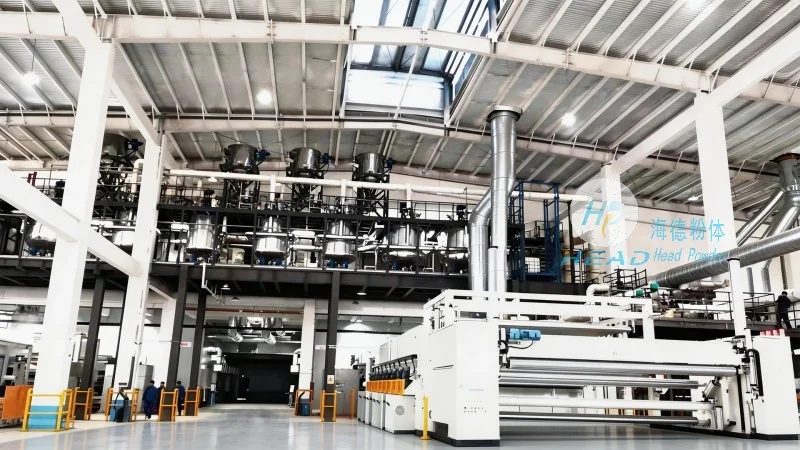
Pneumatic conveying systems utilize air or gas to transport bulk materials, including winery spoilage, through a pipeline network. These systems are particularly advantageous in the wine industry because they minimize contamination risks, reduce labor costs, and improve overall process efficiency compared to traditional methods like manual handling or mechanical conveyors. The primary goal of such systems is to move spoilage from collection points to processing or disposal facilities without compromising product quality or operational safety.
There are two main categories of pneumatic conveying systems used for winery spoilage: dilute-phase and dense-phase systems. Dilute-phase systems operate at low material-to-air ratios, typically moving material in a cloud-like state, which is suitable for short-distance or low-volume applications. Dense-phase systems, on the other hand, transport material in a more concentrated form, often using higher air pressures to ensure reliable and controlled movement, making them ideal for longer distances or when precise control over material flow is required.
The effectiveness of a pneumatic conveying system for winery spoilage depends on several critical components, each designed to optimize performance and durability in challenging environments. The main components include:
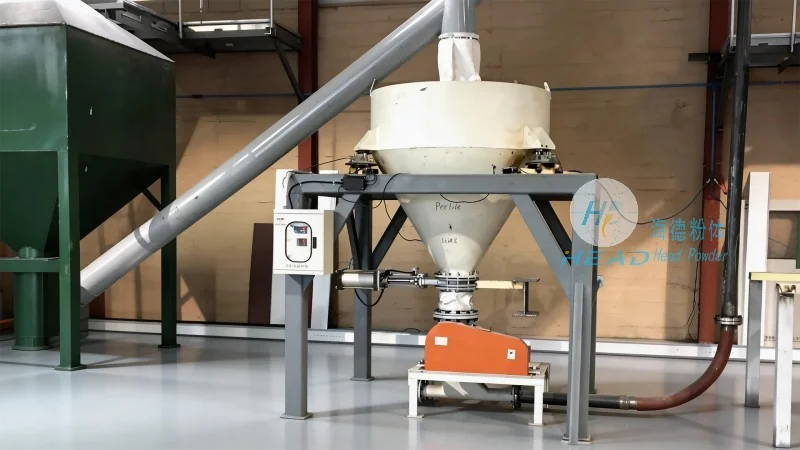
Material feeders are responsible for introducing winery spoilage into the conveying line. For abrasive and sticky materials like grape pomace, feeders such as rotary valves or screw feeders are commonly used. These devices ensure a consistent and controlled flow of material, preventing blockages and maintaining system efficiency. The choice of feeder depends on the specific characteristics of the spoilage, including moisture content and particle size.
The conveying line, typically made of stainless steel or other corrosion-resistant materials, is the backbone of the system. Stainless steel is preferred due to its resistance to acidic and organic compounds found in winery spoilage, ensuring long-term durability and hygiene. The design of the pipework, including bends and elbows, is optimized to minimize pressure losses and maintain consistent air flow, which is crucial for reliable material transport.
Air supply is provided by high-capacity blowers or fans, which generate the necessary pressure and volume of air to move the spoilage through the system. Centrifugal blowers are commonly used in dilute-phase systems, while positive displacement blowers may be employed in dense-phase applications. The selection of the blower is based on the system's required air flow rate and pressure, which are determined by the material's properties and the conveying distance.
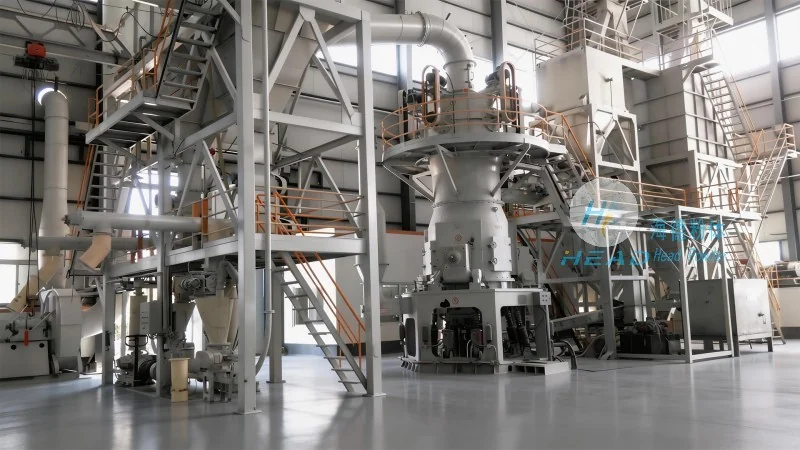
At the receiving end of the system, separators and filters are used to separate the conveyed material from the air. Cyclone separators are often used for initial separation, while bag filters or cartridge filters may be employed for finer filtration to ensure that the air is clean and safe for discharge. These components are essential for maintaining system efficiency and complying with environmental regulations.
Advanced control systems, including programmable logic controllers (PLCs) and sensors, are integrated into the system to monitor and regulate key parameters such as air pressure, material flow rate, and system temperature. Valves, such as air-operated or electrically controlled valves, are used to control the direction of material flow and prevent backflow, ensuring smooth and reliable operation.
Pneumatic conveying systems for winery spoilage are widely used in various stages of the winemaking process. For example, they can transport spoilage from the press to a storage silo, from the storage area to a drying facility, or from the drying plant to a waste disposal site. The benefits of these systems include reduced labor costs, minimized contamination, improved process efficiency, and enhanced safety for operators. Additionally, the use of stainless steel components and advanced filtration systems ensures that the system meets stringent hygiene standards required by the food and beverage industry.

 Shandong Headpowder Engineering Co., Ltd.
 156-6277-7102(Manager Zhang)
  0531-83386006
  Zhangqiu District, Jinan City, Shandong Province, China
telephone
WeChatconsult
top