With more than 10‑year industry experience, Shandong Headpowder delivers full‑service pneumatic‑conveying systems and blowers, undertaking nationwide turn‑key powder‑handling projects.
Pharmaceutical pneumatic conveying is a critical technology in the pharmaceutical industry, designed to transport powders and granules safely and efficiently. This method uses air or gas to move materials through a system of pipes, offering advantages such as contamination control, energy efficiency, and flexibility in material handling. Understanding the principles and applications of this technology is essential for pharmaceutical manufacturers seeking to optimize their production processes.
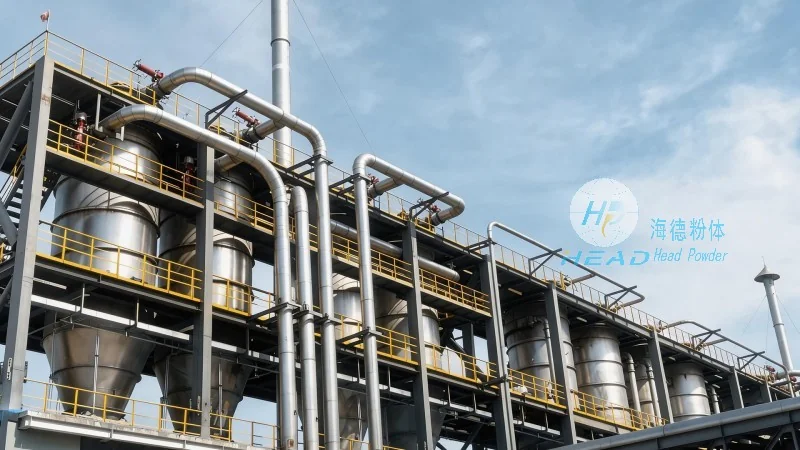
Pharmaceutical pneumatic conveying systems are engineered to handle sensitive materials like active pharmaceutical ingredients (APIs), excipients, and other powders used in drug manufacturing. The primary goal is to transport these materials from one point to another without compromising their quality or integrity. Unlike traditional mechanical conveying methods, pneumatic systems minimize direct contact with equipment, reducing the risk of contamination and cross-contamination. This is particularly important in the pharmaceutical sector, where product purity and safety are paramount.
Effective pneumatic conveying relies on several key components that work together to ensure smooth material transport. These include the material feed hopper, which holds the powder and controls the flow rate; the conveying line, typically made of stainless steel to prevent material degradation and contamination; and the air or gas source, which provides the necessary pressure or velocity to move the material. Additionally, components like cyclones, filters, and receivers are used to separate the material from the air stream and collect it at the destination. The design of these components is critical to the system's performance and efficiency.
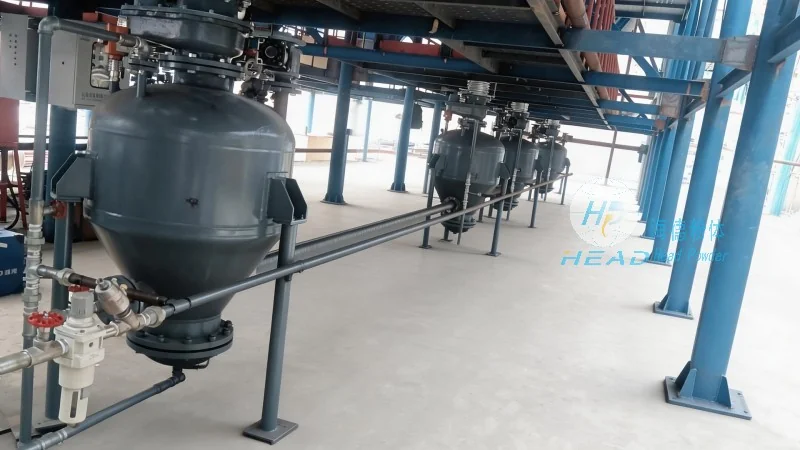
There are two main categories of pneumatic conveying systems: pressure and vacuum. Pressure systems use compressed air to push the material through the pipeline, while vacuum systems use a vacuum to pull the material. Each type has its own advantages and is suitable for different applications. Pressure systems are generally more suitable for long-distance or high-volume transport, as they can handle higher pressures and maintain a consistent flow rate. Vacuum systems, on the other hand, are better for short-distance or low-volume transport, as they are more flexible and can handle a wider range of materials.
Pharmaceutical pneumatic conveying is widely used in various stages of drug production. In the raw material handling stage, it is used to transport raw materials from storage to processing areas. During the manufacturing process, it is used to move ingredients between mixing, granulation, and drying equipment. Finally, in the packaging stage, it is used to transfer finished products to packaging lines. The technology is also used in quality control and testing, where it helps to transport samples for analysis. The versatility of pneumatic conveying makes it an indispensable tool in modern pharmaceutical manufacturing.
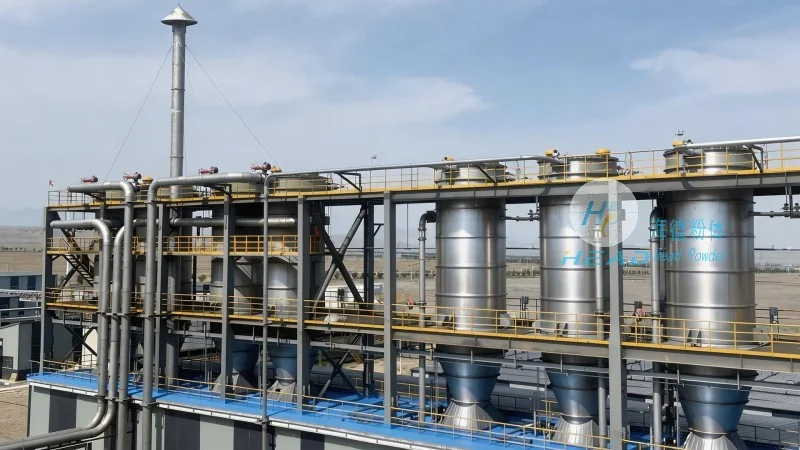
Implementing pneumatic conveying systems in pharmaceutical manufacturing offers numerous benefits. One of the most significant advantages is improved product quality and safety. By minimizing direct contact with equipment and reducing the risk of contamination, the system helps to maintain the purity of the pharmaceutical products. Another benefit is increased efficiency and productivity. Pneumatic systems can transport materials at high speeds and over long distances, reducing the time and labor required for material handling. Additionally, they offer flexibility in material handling, allowing manufacturers to easily adjust the system to accommodate changes in production volume or product type.
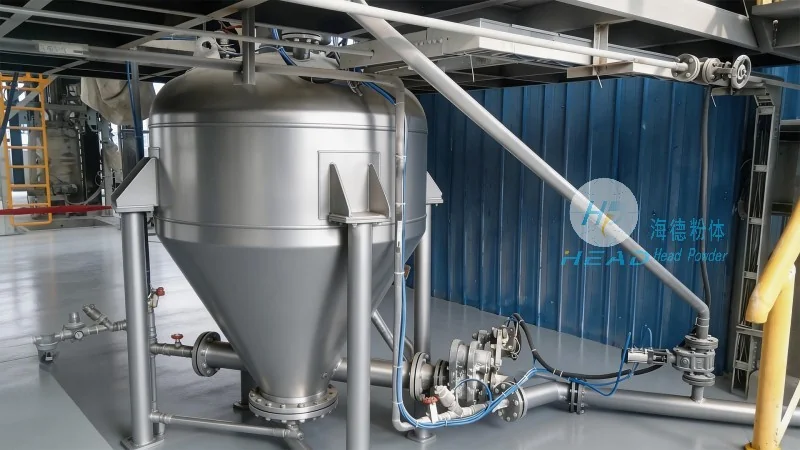
When selecting a pneumatic conveying system for pharmaceutical applications, several factors must be considered. The first is the type of material being transported, as different materials have different properties that affect the system's design. For example, abrasive or sticky materials may require special components to prevent wear and blockages. The second is the distance and volume of material to be transported, as this will determine the system's pressure or vacuum requirements. The third is the required level of contamination control, as some applications may require more stringent controls than others. Finally, the cost of the system and its maintenance must be considered, as these factors can impact the overall return on investment.
Pharmaceutical pneumatic conveying is a vital technology in the pharmaceutical industry, offering a safe, efficient, and flexible method for transporting powders and granules. By understanding the different types of systems and their applications, manufacturers can choose the right solution to meet their specific needs. With the right system in place, pharmaceutical companies can improve product quality, increase productivity, and reduce costs, ultimately enhancing their competitiveness in the market.

 Shandong Headpowder Engineering Co., Ltd.
 156-6277-7102(Manager Zhang)
  0531-83386006
  Zhangqiu District, Jinan City, Shandong Province, China
telephone
WeChatconsult
top