With more than 10‑year industry experience, Shandong Headpowder delivers full‑service pneumatic‑conveying systems and blowers, undertaking nationwide turn‑key powder‑handling projects.
HeadPowder, a leading provider of industrial conveying solutions, specializes in equipment designed for handling sensitive materials like lithium oxide. This article explores the fundamental principles behind lithium oxide pneumatic conveying equipment, alongside the key characteristics of its operational environments, with a focus on the solutions offered by Shandong HeadPowder Engineering Co., Ltd. located in Shandong, China.
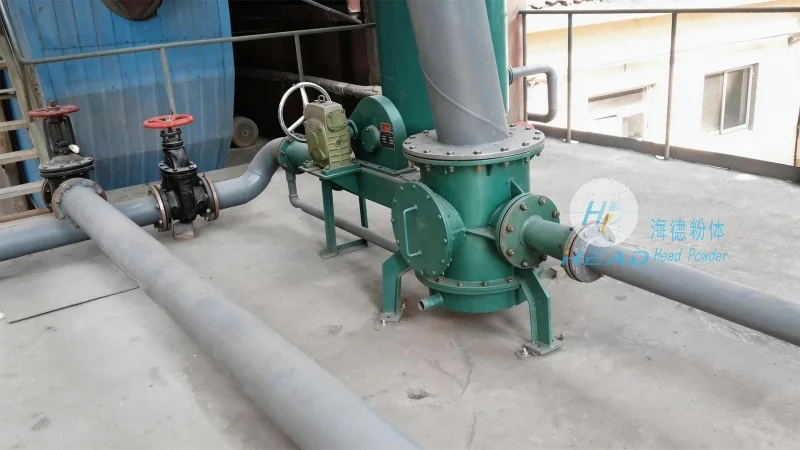
The core principle of pneumatic conveying involves the use of air or gas to transport solid particles through a pipeline. In the case of lithium oxide, which is often in a fine powder form, the system relies on differential pressure and airflow to move the material from the source to the destination. There are primarily two types of pneumatic conveying systems: dilute phase and dense phase. Dilute phase systems utilize high-velocity air to suspend the powder in the air stream, while dense phase systems employ lower velocities and higher pressure to push the material through the pipeline, often with the assistance of a positive displacement pump or compressor.
For lithium oxide, the choice of system depends on factors such as particle size, moisture content, and the distance to be conveyed. Dilute phase systems are typically used for short to medium distances and low to moderate flow rates, whereas dense phase systems are more suitable for longer distances, higher flow rates, or when the material is sensitive to high velocities that could cause degradation. The equipment includes components like hoppers, feeders, airlocks, conveying pipes, and dust collectors, all working in tandem to ensure smooth material transport.
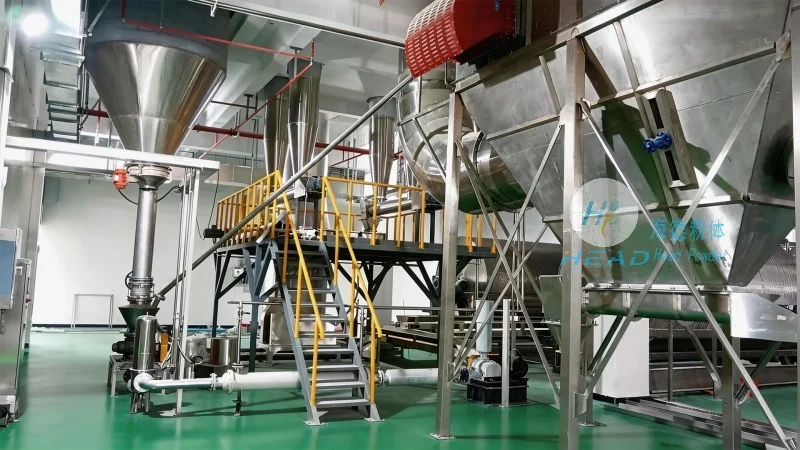
The operational environment for lithium oxide pneumatic conveying equipment is characterized by several key factors that influence system design and performance. Firstly, the material's chemical properties, such as its reactivity and potential for dust explosion, require specialized equipment to prevent hazards. For instance, explosion-proof motors and sealed components are often incorporated into the system to mitigate risks associated with lithium oxide dust. Secondly, the need for precise control over the conveying process is critical, as fluctuations in airflow or pressure can lead to material blockages or uneven distribution.
Another important characteristic is the system's integration with other industrial processes. Lithium oxide is often used in battery manufacturing, pharmaceuticals, or chemical synthesis, where it must be delivered to reactors or processing units with minimal loss or contamination. The equipment is therefore designed to maintain product purity, with features like closed-loop systems and filtration to remove any fines or contaminants from the air stream. Additionally, the working environment may involve high temperatures or corrosive substances, necessitating materials like stainless steel or specialized coatings for the conveying components to ensure durability and longevity.
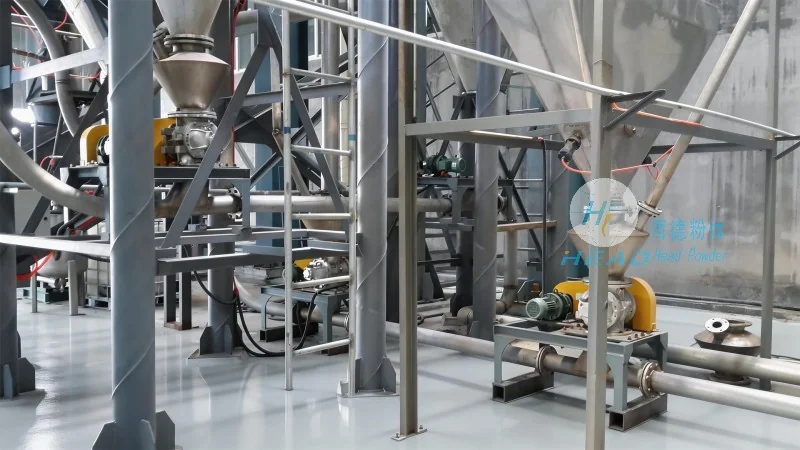
Lithium oxide pneumatic conveying equipment is widely utilized in various industrial sectors, with applications ranging from large-scale battery production facilities to specialized chemical processing plants. In battery manufacturing, the system efficiently transports lithium oxide powders to mixing and coating lines, ensuring consistent material feed and reducing downtime. In pharmaceutical applications, the equipment handles lithium oxide in a sterile environment, adhering to stringent quality control standards to meet regulatory requirements. The versatility of the system also makes it suitable for research and development laboratories, where precise dosing and handling of small quantities of lithium oxide are required.
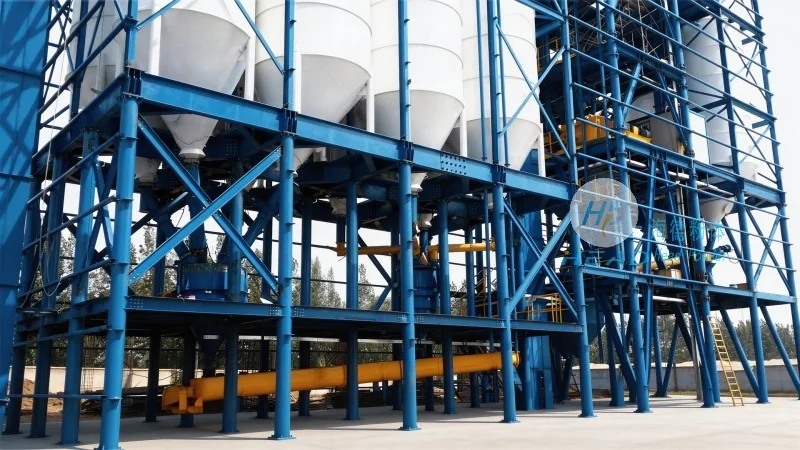
Moreover, the working scene characteristics vary based on the scale of operation. For large-scale industrial plants, the system may involve multiple conveying lines, automated control systems, and real-time monitoring to optimize performance. In contrast, smaller-scale applications, such as in research or pilot plants, may use simpler, more compact systems with manual or semi-automated controls. Regardless of the scale, the focus remains on maintaining efficiency, safety, and product quality, which are essential for the success of lithium oxide-based processes.
In conclusion, lithium oxide pneumatic conveying equipment operates on well-defined principles, leveraging air or gas to transport fine powders while addressing the unique challenges posed by lithium oxide's properties. The working scene characteristics, including safety considerations, process integration, and material handling requirements, dictate the design and functionality of the system. As an essential component in industries reliant on lithium oxide, this equipment plays a critical role in ensuring efficient and reliable material transport, supporting the broader applications of this vital material in modern technology and manufacturing.

 Shandong Headpowder Engineering Co., Ltd.
 156-6277-7102(Manager Zhang)
  0531-83386006
  Zhangqiu District, Jinan City, Shandong Province, China
telephone
WeChatconsult
top