With more than 10‑year industry experience, Shandong Headpowder delivers full‑service pneumatic‑conveying systems and blowers, undertaking nationwide turn‑key powder‑handling projects.
Slag, a byproduct of metal smelting and other industrial processes, poses significant challenges for material handling and transportation. Traditional methods such as trucks or conveyor belts often suffer from inefficiencies, high maintenance costs, and environmental concerns. Pneumatic conveying lines, particularly for slag, offer a modern solution that utilizes air pressure to transport bulk materials. This article explores the fundamental principles of slag pneumatic conveying systems and highlights the key characteristics of their operational scenarios, providing insights into how these technologies enhance industrial efficiency and sustainability.
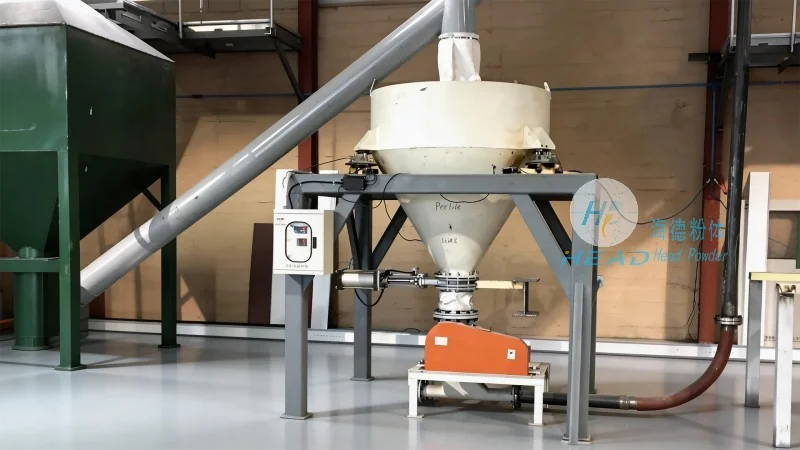
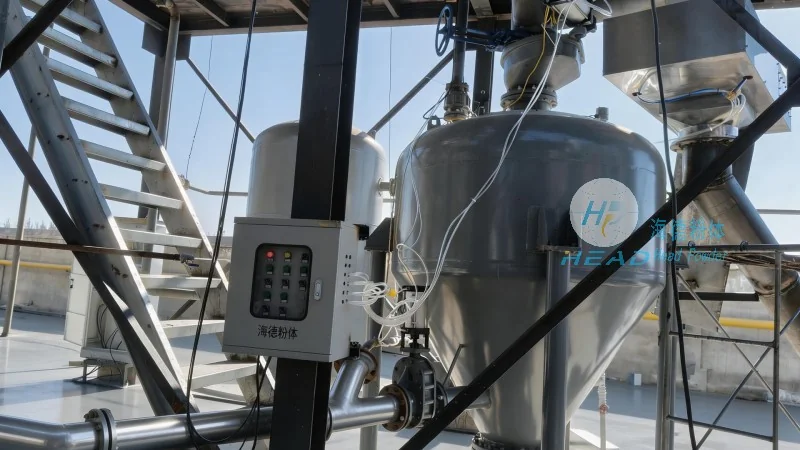
The core principle of pneumatic conveying for slag involves the use of air to transport solid particles through a pipeline. There are two primary types of pneumatic conveying systems: positive pressure and negative pressure. Positive pressure systems, also known as pressure or pressure-assisted systems, generate air pressure at the material inlet, pushing the slag through the pipeline. Negative pressure systems, or vacuum systems, create a vacuum at the outlet, drawing the slag into the pipeline. For slag, which is often abrasive and has varying particle sizes, the choice of system depends on factors like the distance to be covered, the volume of material, and the required flow rate. The system typically consists of a hopper for material storage, a feeder to control the flow rate, a conveyor line (usually made of corrosion-resistant materials like stainless steel or special alloys due to slag's chemical properties), and a receiver at the destination. The air flow is managed by a blower or vacuum pump, ensuring consistent pressure and preventing blockages. The design of the conveying line must account for the specific characteristics of slag, such as its density, moisture content, and potential for caking, to maintain optimal performance and minimize wear on components.
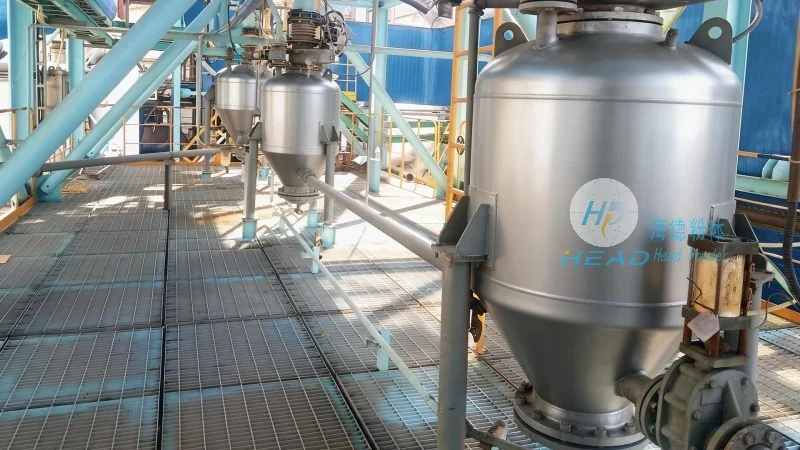
The operational scenarios for slag pneumatic conveying systems vary widely across different industries, each presenting unique challenges and requirements. In the steel industry, for example, slag is generated in large quantities during the production of molten steel. Pneumatic conveying lines are used to transport this slag from the furnace to storage or processing facilities, where it can be recycled or used as a raw material in cement production. The key characteristics in this scenario include high material volumes, the need for rapid and continuous transport to avoid accumulation, and the handling of hot slag, which requires specialized equipment to prevent overheating and material degradation. In the cement industry, slag is often used as a supplementary cementitious material (SCM), and pneumatic conveying lines facilitate the transport of slag from storage silos to the cement production line. Here, the focus is on precise control of the material flow rate to maintain consistent quality in the final cement product. The characteristics of this scenario include the need for low dust emission, as cement production is sensitive to air quality, and the ability to handle fine particles without clogging the system. In the construction and waste management sectors, pneumatic conveying lines are used to transport construction waste or recycled concrete, which often contains slag as a component. The operational characteristics in this context include the handling of mixed materials with varying particle sizes and moisture levels, and the requirement for flexible conveying routes to accommodate different project sites. Overall, the working scene characteristics of slag pneumatic conveying systems are defined by the need for efficiency, reliability, and adaptability to diverse industrial applications.
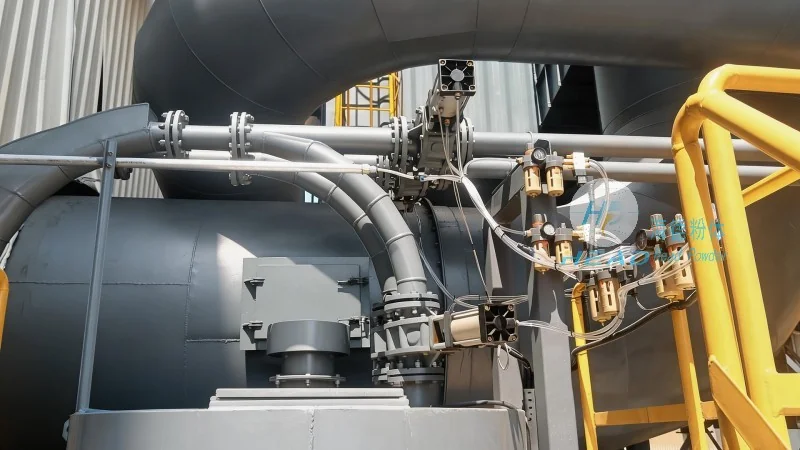
Shandong HeadPowder Engineering Co., Ltd., operating under the brand name HeadPowder, is a leading provider of advanced material handling solutions, including pneumatic conveying systems for slag and other bulk materials. With a strong presence in China, particularly in Shandong, the company specializes in designing, manufacturing, and installing customized conveying systems tailored to the specific needs of industrial clients. HeadPowder leverages decades of experience in the field to develop innovative solutions that address the unique challenges of slag transportation, such as high abrasiveness and varying particle sizes. The company's engineering team employs cutting-edge technology and rigorous testing to ensure that each system meets the highest standards of performance, durability, and safety. By focusing on customer-centric design and after-sales support, HeadPowder has established itself as a trusted partner for industries seeking efficient and sustainable material handling solutions. The company's commitment to quality and innovation has enabled it to serve a wide range of clients, from steel and cement manufacturers to construction and waste management companies, helping them optimize their operations and reduce environmental impact.

 Shandong Headpowder Engineering Co., Ltd.
 156-6277-7102(Manager Zhang)
  0531-83386006
  Zhangqiu District, Jinan City, Shandong Province, China
telephone
WeChatconsult
top