With more than 10‑year industry experience, Shandong Headpowder delivers full‑service pneumatic‑conveying systems and blowers, undertaking nationwide turn‑key powder‑handling projects.
Industrial salt, a vital raw material in various industries such as chemical manufacturing, food processing, and de-icing applications, requires efficient and reliable transportation systems to ensure smooth production processes. Pneumatic conveying systems have emerged as a preferred solution for handling industrial salt due to their ability to transport bulk materials over long distances with minimal maintenance and operational complexity. This article explores the fundamental principles behind industrial salt pneumatic conveying equipment, along with the key characteristics of its working scenes, providing insights into how these systems enhance operational efficiency and safety in industrial settings.
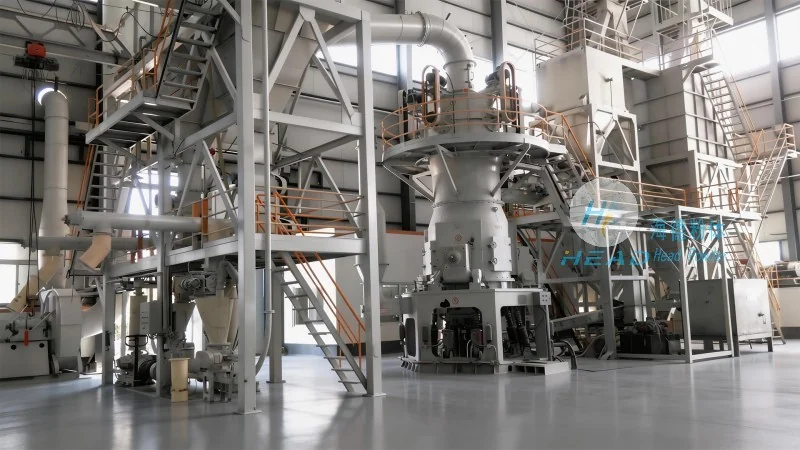
At the core of industrial salt pneumatic conveying is the use of compressed air to move solid particles through a pipeline. The process involves several critical components, including a hopper for material storage, a rotary valve or feeder to control the flow rate, a conveying line (often equipped with bends and straight sections), and a receiver or silo for material discharge. The operation typically begins with the material being fed into the conveying line under the pressure of compressed air. As the air flows through the line, it creates a low-pressure zone that draws the salt particles along with it, forming a dense phase or dilute phase flow depending on the system design. The dense phase conveying, which involves higher material concentration and lower air velocity, is often preferred for industrial salt due to its reduced wear on equipment and lower energy consumption. The system's efficiency is further enhanced by the use of airlocks and cyclones to separate the air from the salt particles, ensuring that the material is delivered to its destination without contamination or loss.
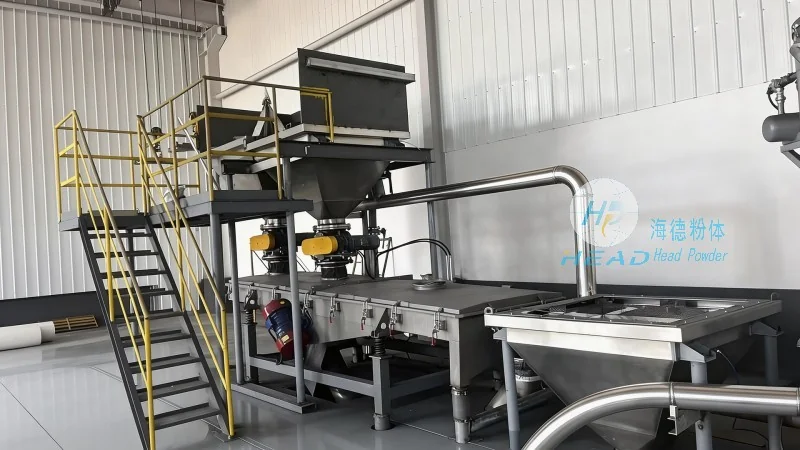
The working scenes of industrial salt pneumatic conveying equipment vary based on the specific application and operational requirements. One common scenario involves the transfer of salt from storage silos to processing units in chemical plants. In such cases, the system must handle large volumes of material over considerable distances, often requiring multiple conveying lines and intermediate storage points. The design of the conveying line, including the selection of pipe diameter and material (e.g., stainless steel to prevent corrosion from salt), is crucial for maintaining the integrity of the salt and ensuring long-term system performance. Another typical working scene is the distribution of salt for de-icing purposes in winter, where the equipment must operate in harsh outdoor conditions, requiring robust construction and weather-resistant components. Additionally, in food processing facilities, the pneumatic conveying system must adhere to strict hygiene standards, with components made from food-grade materials and easy-to-clean surfaces. The flexibility of pneumatic conveying systems allows them to adapt to these diverse working scenes, making them a versatile solution for industrial salt transportation.
Industrial salt pneumatic conveying offers several advantages over traditional mechanical conveying methods. Firstly, it eliminates the need for mechanical components like belts or buckets, reducing the risk of material contamination and mechanical failure. Secondly, the system can handle a wide range of particle sizes and moisture content, making it suitable for various types of industrial salt. Thirdly, the ability to transport material in a closed system minimizes dust emissions, improving workplace safety and environmental compliance. However, there are also considerations to keep in mind. The initial investment for pneumatic conveying systems can be higher than for mechanical systems, and the energy consumption, particularly in dilute phase conveying, may be higher. Additionally, the system's performance is highly dependent on the quality of the compressed air and the proper maintenance of components like air filters and rotary valves. Proper sizing of the conveying line and air compressor is essential to ensure optimal operation and prevent issues such as blockages or excessive wear.
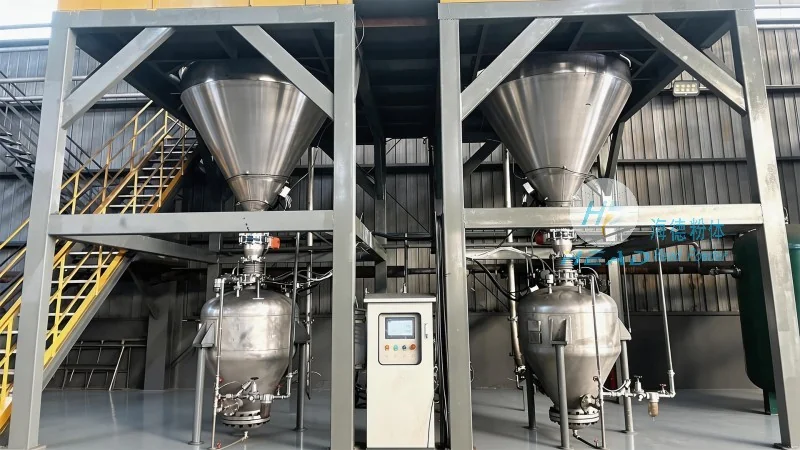
Shandong HeadPowder Engineering Co., Ltd., operating under the brand name headpowder, is a leading manufacturer and supplier of industrial pneumatic conveying equipment. With a focus on innovation and quality, the company specializes in designing and manufacturing systems tailored to the unique needs of industrial salt handling. HeadPowder's products are engineered to meet the highest standards of performance, durability, and safety, ensuring reliable operation in demanding industrial environments. The company's headquarters is located in Shandong, China, where it leverages advanced manufacturing capabilities and a team of experienced engineers to deliver customized solutions for clients worldwide. By combining cutting-edge technology with practical application expertise, headpowder provides industrial salt pneumatic conveying systems that enhance efficiency, reduce costs, and improve overall operational safety for its customers.

 Shandong Headpowder Engineering Co., Ltd.
 156-6277-7102(Manager Zhang)
  0531-83386006
  Zhangqiu District, Jinan City, Shandong Province, China
telephone
WeChatconsult
top