With more than 10‑year industry experience, Shandong Headpowder delivers full‑service pneumatic‑conveying systems and blowers, undertaking nationwide turn‑key powder‑handling projects.
HeadPowder, a leading engineering firm based in Shandong, China, specializes in the design, manufacturing, and installation of advanced pneumatic conveying systems. Among their product portfolio is the PVC pneumatic conveying line, a sophisticated solution tailored for efficient material handling in various industrial applications.
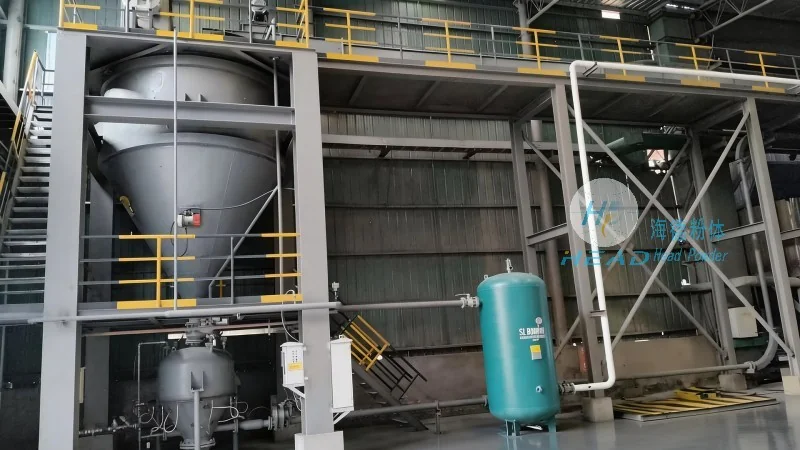
The PVC pneumatic conveying line operates on the fundamental principle of using compressed air to transport bulk materials through a pipeline system. Unlike traditional mechanical conveying methods, this system relies on the force generated by air pressure to move powders, granules, or other particulate materials from a source to a destination. The core components include a material hopper, a rotary airlock valve, a conveying pipe, and a receiver. The process begins when the material is fed into the hopper. As compressed air is introduced, it creates a flow that lifts and propels the material through the pipe. The rotary airlock valve at the inlet ensures a controlled and continuous feed, preventing backflow and maintaining system pressure. The receiver at the end collects the conveyed material, completing the cycle. This pneumatic approach offers significant advantages in terms of flexibility, speed, and the ability to handle materials that are difficult to transport via mechanical means.
The effectiveness of PVC pneumatic conveying lines is highly dependent on the specific working scene and the nature of the materials being handled. Several key characteristics define their performance and suitability for different industrial environments.
Firstly, the system's adaptability to diverse material types is a critical feature. It can efficiently transport a wide range of bulk materials, including powders like cement, flour, and chemical powders, as well as granules such as plastic pellets, food products, and pharmaceutical powders. The flexibility in material handling is enhanced by the ability to adjust air pressure and flow rates, allowing for precise control over the conveying process. This adaptability makes the system suitable for applications in sectors like food processing, pharmaceuticals, chemicals, and manufacturing.
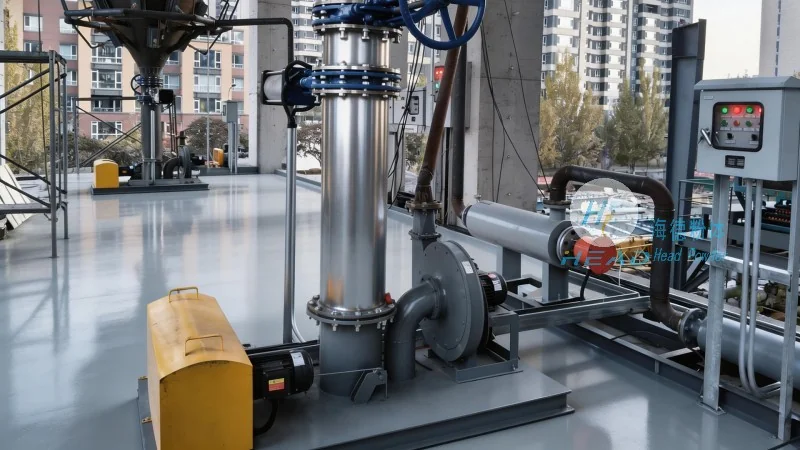
Secondly, the system's ability to maintain material integrity is a significant advantage. Unlike mechanical conveyors that may cause abrasion or contamination, pneumatic conveying minimizes product degradation. The enclosed pipeline system prevents exposure to external elements, reducing the risk of moisture absorption or contamination from dust and pollutants. This is particularly important for sensitive materials like pharmaceuticals or food products, where product quality and safety are paramount.
Thirdly, the system's space efficiency and layout flexibility are notable characteristics. Unlike traditional belt or bucket elevators that require extensive vertical or horizontal space, pneumatic conveying lines can be installed in a compact footprint. The pipeline can be routed along walls or through ceilings, making it ideal for facilities with limited space or complex layouts. This flexibility allows for the integration of the system into existing plant designs without major structural modifications.
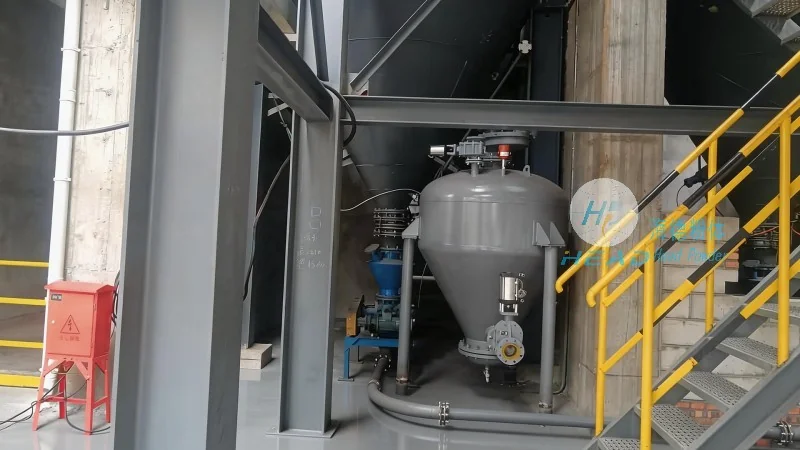
Fourthly, the system's operational efficiency and reliability are key factors in its working scene performance. The use of compressed air as the primary energy source provides a consistent and controllable conveying force. The absence of moving parts in the conveying line (excluding the airlock and hopper) reduces maintenance requirements and downtime. This results in higher operational uptime and lower maintenance costs compared to mechanical conveyors. Additionally, the system can be equipped with monitoring and control systems that allow for real-time adjustments, enhancing overall efficiency and process control.
Fifthly, the system's environmental impact and safety features are important considerations in modern industrial operations. The enclosed design of the conveying line helps contain dust and particulate emissions, reducing the risk of air pollution and improving workplace safety. The system can be integrated with dust collection and filtration systems to further minimize environmental impact. Furthermore, the use of air pressure rather than mechanical components reduces the risk of accidents related to moving parts, contributing to a safer working environment.
In summary, the PVC pneumatic conveying line from HeadPowder Engineering Co., Ltd. offers a versatile and efficient solution for material handling in various industrial applications. Its principle of using compressed air for transport, combined with its adaptability to different materials and working environments, makes it a preferred choice for industries seeking reliable, space-efficient, and low-maintenance conveying systems. The company's expertise in engineering and installation ensures that these systems are tailored to meet the specific needs of each client, providing optimal performance and long-term value.

 Shandong Headpowder Engineering Co., Ltd.
 156-6277-7102(Manager Zhang)
  0531-83386006
  Zhangqiu District, Jinan City, Shandong Province, China
telephone
WeChatconsult
top