With more than 10‑year industry experience, Shandong Headpowder delivers full‑service pneumatic‑conveying systems and blowers, undertaking nationwide turn‑key powder‑handling projects.
HeadPowder, a leading manufacturer based in Shandong, China, specializes in the design and production of advanced pneumatic conveying systems tailored for calcined limestone applications. This article delves into the fundamental principles of calcined limestone pneumatic conveying equipment and explores the key characteristics of its operational environments.
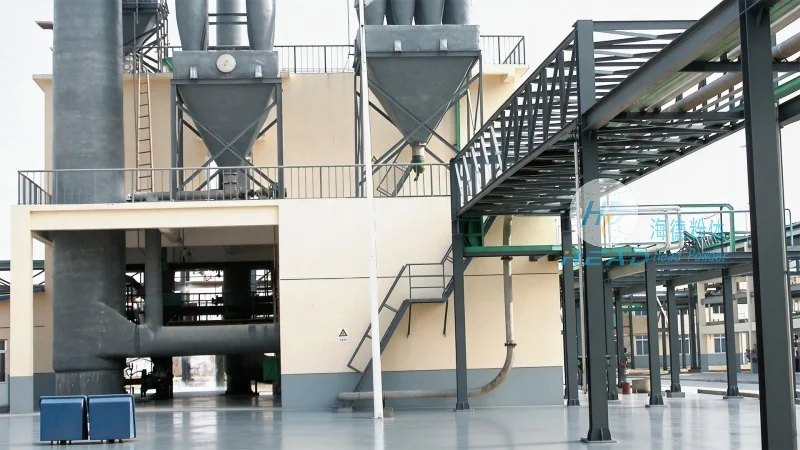
Shandong HeadPowder Engineering Co., Ltd., operating under the brand name HeadPowder, is a reputable enterprise dedicated to providing high-quality industrial solutions. With a strong presence in the Chinese industrial sector, the company leverages years of experience to develop efficient and reliable equipment for material handling, particularly in the processing of calcined limestone. HeadPowder's commitment to innovation and customer satisfaction has established it as a trusted partner in the industry, with its headquarters located in Shandong, China.
The core principle of calcined limestone pneumatic conveying equipment revolves around the use of air to transport bulk materials. This method, known as pneumatic conveying, can be categorized into two main types: positive pressure and negative pressure systems. In a positive pressure system, air is blown into the conveying line, creating a pressure higher than the ambient air, which propels the material forward. Conversely, negative pressure systems draw air out of the line, creating a vacuum that pulls the material along. For calcined limestone, which is typically a fine or semi-fine powder with specific physical properties, the choice of system depends on factors such as material flow rate, distance, and the need for dust control.
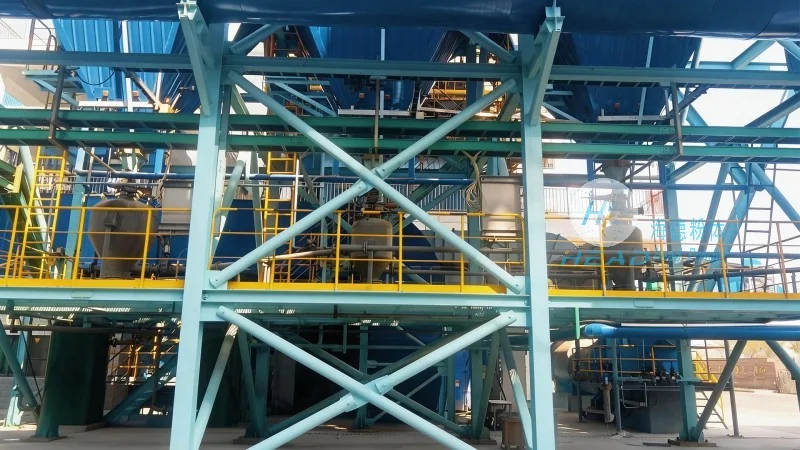
Calcined limestone, also known as quicklime or calcium oxide, is a widely used industrial material derived from limestone through high-temperature calcination. Its fine particle size and reactivity make it suitable for various applications, including cement production, steel manufacturing, and chemical processing. The pneumatic conveying system must be designed to handle these characteristics effectively, ensuring minimal material degradation and efficient transport. Key components of the equipment include the hopper, feeder, air compressor, conveying line, and dust collector. The hopper stores the calcined limestone, while the feeder regulates the material flow into the conveying line. The air compressor generates the necessary air pressure or vacuum, and the conveying line transports the material to the destination. The dust collector captures any airborne particles, ensuring compliance with environmental regulations and maintaining a clean working environment.
The operational environments where calcined limestone pneumatic conveying equipment is deployed vary significantly based on the specific industrial application. In cement plants, for instance, the equipment is used to transport calcined limestone from storage silos to the raw material preparation area. The high flow rates and long distances involved require robust systems with high efficiency and low energy consumption. The working scene in such settings is characterized by continuous operation, high material throughput, and the need for reliable performance to support the production process. Another common application is in steel mills, where calcined limestone is used as a flux in the smelting process. Here, the equipment must handle the material's reactivity and potential moisture content, ensuring that the conveying process does not lead to material clumping or blockages. The working environment in steel mills is often more challenging due to the presence of high temperatures and corrosive substances, necessitating equipment with durable materials and effective sealing mechanisms.
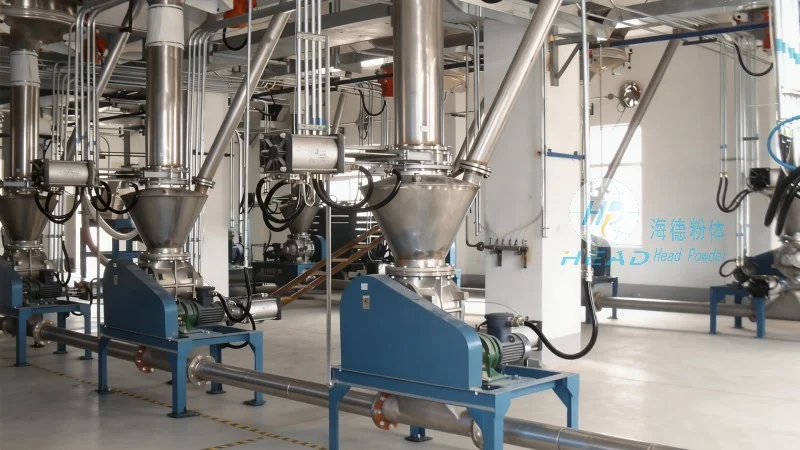
In chemical processing facilities, calcined limestone is used as a raw material or reagent in various chemical reactions. The pneumatic conveying system in these settings must be capable of handling the material's fine particle size and potential chemical compatibility issues. The working scene is characterized by precise control over material flow and the need for minimal contamination. Additionally, the equipment must be designed to integrate seamlessly with existing production lines, ensuring smooth operation and minimal downtime. The characteristics of the working environment, such as the presence of other chemicals or the need for explosion-proof designs, also play a crucial role in the selection and configuration of the pneumatic conveying system.
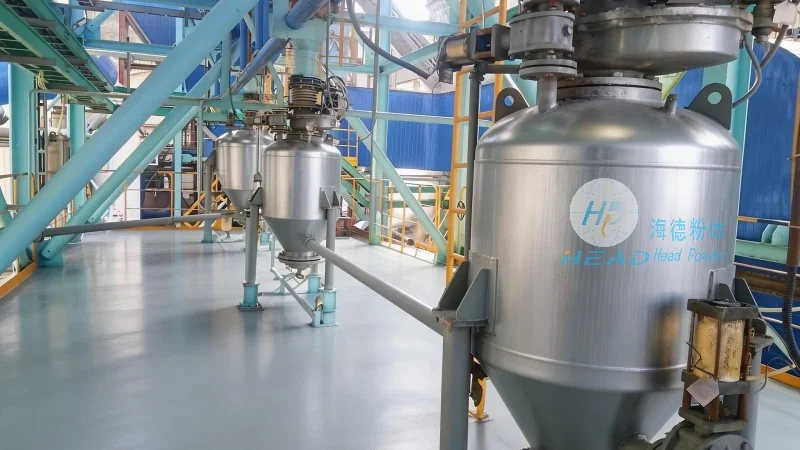
Calcined limestone pneumatic conveying equipment offers several advantages over traditional mechanical conveying methods. One of the primary benefits is the ability to transport materials over long distances without the need for intermediate transfer points. This reduces the risk of material loss and contamination, as well as minimizing the need for additional equipment and labor. The system also provides better control over material flow, allowing for precise dosing and regulation. Another advantage is the reduced risk of dust exposure and inhalation, as the material is contained within the conveying line. This enhances workplace safety and compliance with occupational health regulations. From a technical perspective, modern pneumatic conveying systems are equipped with advanced controls and monitoring systems, enabling real-time tracking of material flow, pressure, and temperature. These features help in optimizing the operation and identifying potential issues before they lead to system failures. The equipment is also designed for easy maintenance and cleaning, with components that can be easily accessed and replaced. This reduces downtime and maintenance costs, contributing to the overall efficiency of the system.
Calcined limestone pneumatic conveying equipment, as exemplified by the solutions offered by Shandong HeadPowder Engineering Co., Ltd., represents a sophisticated and efficient method for handling bulk materials in various industrial applications. By understanding the fundamental principles of pneumatic conveying and the specific characteristics of calcined limestone, manufacturers can design and implement systems that meet the demands of modern industrial operations. The working scene characteristics, ranging from cement plants to steel mills and chemical facilities, highlight the versatility and adaptability of these systems. With continuous advancements in technology, the equipment continues to evolve, offering improved performance, reliability, and environmental compliance. As a leading provider in the field, HeadPowder remains committed to delivering high-quality solutions that meet the evolving needs of the industrial sector.

 Shandong Headpowder Engineering Co., Ltd.
 156-6277-7102(Manager Zhang)
  0531-83386006
  Zhangqiu District, Jinan City, Shandong Province, China
telephone
WeChatconsult
top