

Operation Process and Working Principle of Magnesium Powder Material Pneumatic Conveying System
Efficient and reliable material handling is a critical aspect of modern industrial operations, especially when dealing with sensitive or high-value powders like magnesium. The pneumatic conveying system for magnesium powder represents a sophisticated solution designed to meet the stringent demands of material transport in various industrial applications. This system not only ensures safe and efficient movement of magnesium powder but also minimizes the risk of contamination and material loss, making it an indispensable component in many manufacturing processes.
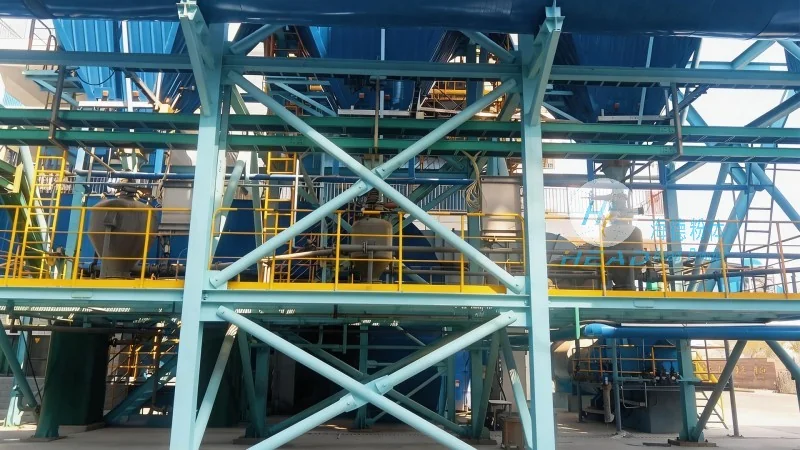
Overview of the Magnesium Powder Pneumatic Conveying System
The magnesium powder pneumatic conveying system is engineered to handle the unique properties of magnesium powder, which includes its light weight, reactivity, and potential for dust explosion hazards. The system is designed with safety and efficiency in mind, incorporating advanced technology to ensure optimal performance. It typically consists of several key components, including a material hopper, a conveying pipeline, a fan or blower, and a discharge unit. Each component plays a crucial role in the overall operation of the system, working in tandem to achieve seamless material transport.
Key Components and Their Functions
1. Material Hopper: The hopper is the primary storage unit where magnesium powder is loaded before being conveyed. It is designed with a smooth interior surface to prevent material buildup and ensure consistent flow. The hopper is equipped with a feeding mechanism, such as a rotary valve or a screw feeder, which controls the rate of material discharge into the conveying pipeline. This component is critical for maintaining a steady flow of powder and preventing blockages.
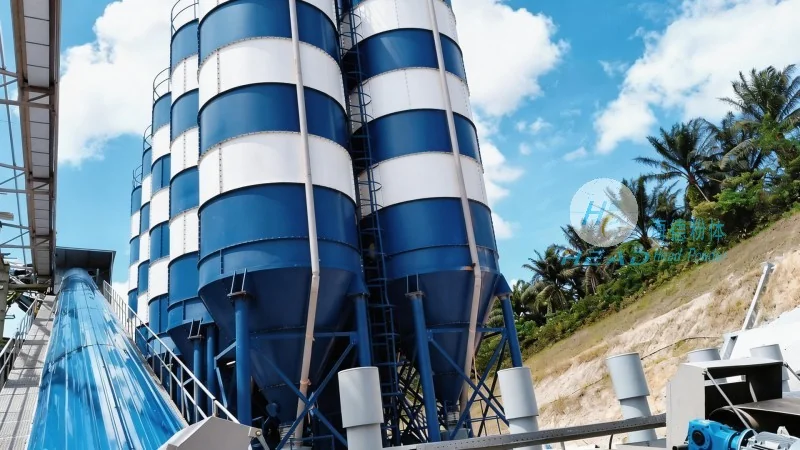
2. Conveying Pipeline: The pipeline is the main channel through which magnesium powder is transported. It is typically made of materials resistant to corrosion and wear, such as stainless steel or special plastics, to withstand the abrasive nature of magnesium powder. The pipeline is designed with smooth bends and transitions to minimize pressure loss and prevent material degradation. The diameter and length of the pipeline are carefully selected based on the material flow rate and the distance to be covered.
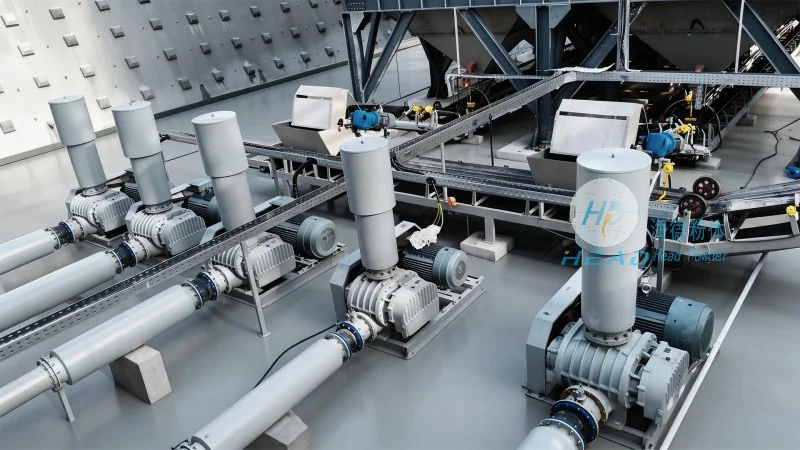
3. Fan or Blower: The fan or blower is the power source of the pneumatic conveying system. It generates the necessary airflow to move the magnesium powder through the pipeline. The selection of the fan or blower is based on the required pressure and flow rate, which are determined by the material characteristics and the system configuration. The system may use either positive pressure or negative pressure conveying, depending on the specific application requirements.
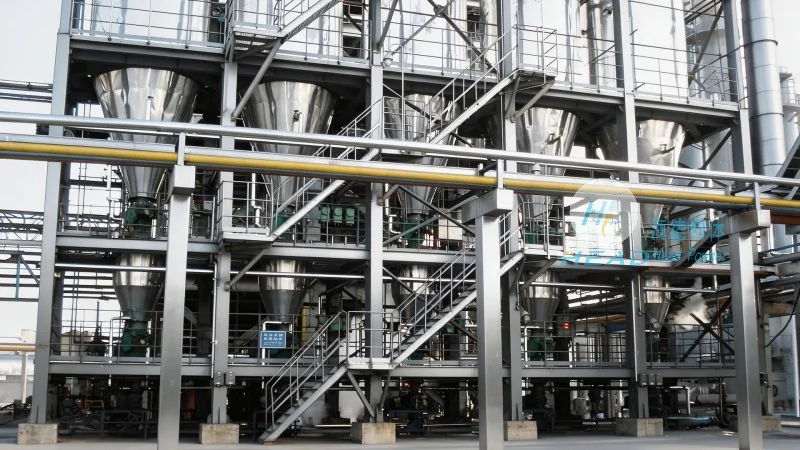
4. Discharge Unit: The discharge unit is where the magnesium powder is released from the conveying pipeline. It is typically equipped with a rotary valve or a gate valve to control the flow of material into the receiving container or processing equipment. The unit is designed to prevent dust emissions and ensure a clean discharge process. In some systems, a dust collector may be integrated with the discharge unit to capture any airborne particles and maintain a safe working environment.
Operation Process of the Magnesium Powder Pneumatic Conveying System
The operation of the magnesium powder pneumatic conveying system involves a series of steps that ensure the smooth and continuous transport of material. The process begins with the loading of magnesium powder into the material hopper. The feeding mechanism then controls the rate at which the powder is discharged into the conveying pipeline. Simultaneously, the fan or blower generates the required airflow, which carries the powder particles through the pipeline. As the powder moves through the pipeline, it is propelled by the airflow, overcoming the gravitational forces and any resistance in the system.