

What is a Fertilizer Granular Material Conveying System Equipment? What are its Design Principles?
Understanding the fertilizer granular material conveying system equipment is crucial for optimizing material handling processes in agricultural and industrial applications. This equipment is specifically designed to transport granular materials, such as fertilizers, efficiently and reliably from one location to another. The design principles behind these systems are centered on ensuring high throughput, minimal material loss, and operational efficiency, making them essential components in modern material handling infrastructure.
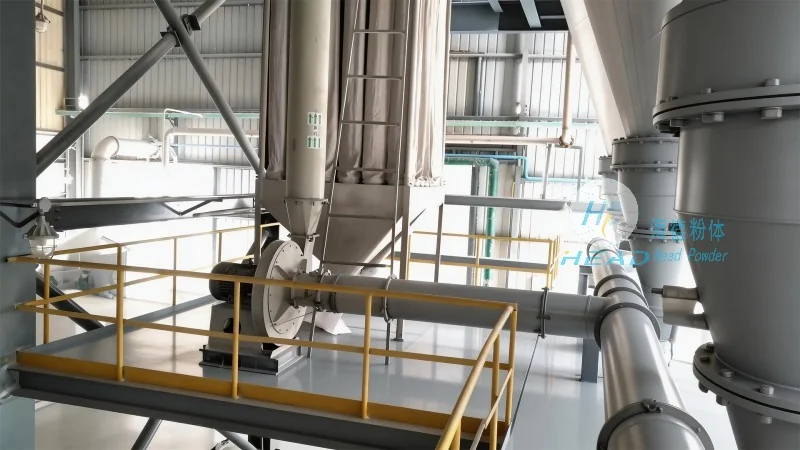
Key Components and Functionality of the Fertilizer Granular Material Conveying System
The fertilizer granular material conveying system typically consists of several key components that work in tandem to achieve effective material transport. These components include feed hoppers, conveyor belts or screw conveyors, control systems, and discharge mechanisms. The feed hopper is responsible for receiving the granular fertilizer from a storage silo or bulk container, ensuring a consistent flow of material into the conveyor system. The conveyor mechanism, whether a belt conveyor or a screw conveyor, then transports the material along the designated path. Modern systems often incorporate variable speed drives and sensors to regulate the flow rate and monitor the system's performance, ensuring optimal operation under varying load conditions. The discharge mechanism at the end of the conveyor then delivers the fertilizer to the intended destination, such as a storage bin, processing unit, or loading area.
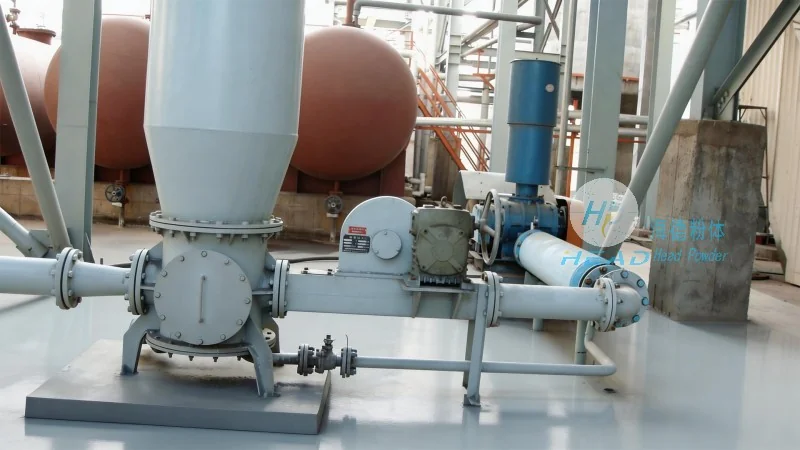
Design Principles for Efficient Material Handling
The design principles of the fertilizer granular material conveying system are tailored to address the unique challenges of handling granular materials. One of the primary design considerations is the prevention of material degradation or segregation during transport. This is achieved through the use of smooth, non-stick surfaces on the conveyor components and the incorporation of mixing or blending sections within the system. The system is also designed to minimize friction and abrasion, which can lead to material breakdown or equipment wear. Additionally, the design emphasizes the ability to handle a wide range of granule sizes and densities, ensuring versatility in application. The control system plays a critical role in maintaining consistent material flow and preventing overloading or underloading of the conveyor, which can impact system efficiency and longevity.
HeadPowder's Expertise in Fertilizer Conveying Solutions
Shandong HeadPowder Engineering Co., Ltd., a leading manufacturer in the field, specializes in the design and production of fertilizer granular material conveying systems. With years of experience in the industry, HeadPowder has developed advanced solutions that meet the specific needs of agricultural and industrial clients. The company's products are engineered to provide high reliability, durability, and energy efficiency, ensuring long-term performance in demanding environments. HeadPowder's team of engineers and technicians work closely with clients to understand their operational requirements and provide customized solutions that enhance material handling efficiency and reduce operational costs. The company's commitment to quality and innovation has made it a trusted partner for businesses seeking reliable fertilizer conveying equipment.
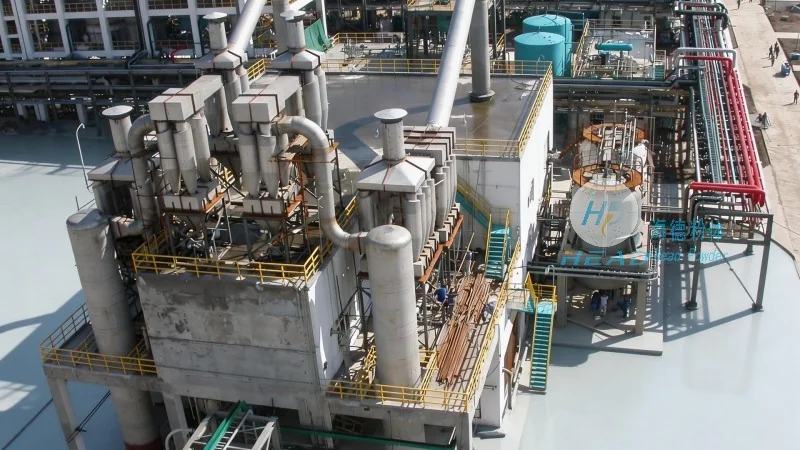
Benefits of Implementing a Fertilizer Granular Material Conveying System
Adopting a fertilizer granular material conveying system offers numerous benefits for businesses involved in fertilizer production, storage, and distribution. The primary advantage is the significant improvement in material handling efficiency, allowing for higher throughput and reduced labor costs. The system's design minimizes material loss, which is critical for maintaining product quality and reducing waste. Additionally, the automated control systems enhance operational safety by reducing the need for manual handling of bulk materials. The system's durability and low maintenance requirements contribute to long-term cost savings, making it a worthwhile investment for businesses looking to optimize their material handling processes. Furthermore, the ability to handle various granule sizes and densities makes these systems versatile and adaptable to different production and storage scenarios.