

What is a Sawdust and Husk Material Conveying System Equipment? What Are Its Design Principles?
For industries dealing with sawdust and husk materials, efficient material handling is crucial. A specialized system designed for transporting these materials safely and effectively is essential for optimizing production processes. This article explores the concept of a sawdust and husk material conveying system, detailing its components, operational principles, and design considerations.

Understanding the Sawdust and Husk Material Conveying System
A sawdust and husk material conveying system is a mechanical setup engineered to transport bulk materials such as sawdust, wood chips, or agricultural husks from one location to another within a facility. These systems are commonly used in woodworking, biomass processing, and agricultural industries where large volumes of these materials need to be moved efficiently. The primary goal is to enhance workflow, reduce labor costs, and improve overall operational efficiency by automating the material transport process.
Key Components of the Conveying System
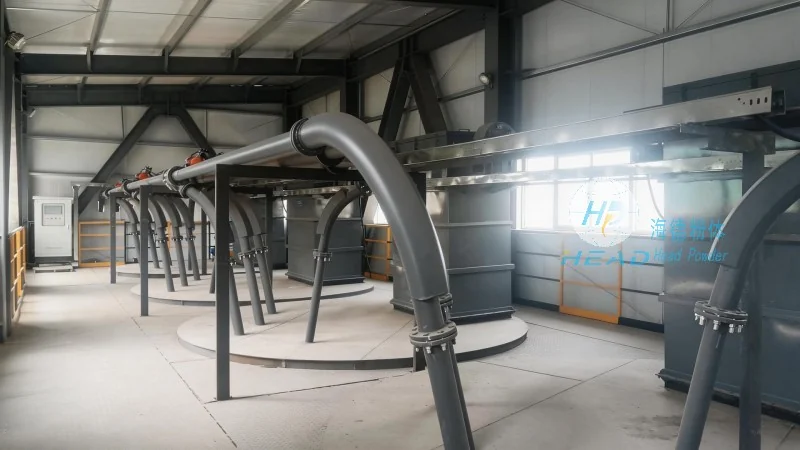
The sawdust and husk material conveying system typically consists of several key components that work in tandem to ensure smooth material transport. These components include a feeding mechanism, a conveyor belt or screw mechanism, a drive system, and a control unit. The feeding mechanism is responsible for introducing the material into the system, often using a hopper or a feeding hopper that can handle varying material volumes. The conveyor belt or screw mechanism then transports the material along the designated path, while the drive system provides the necessary power to move the material. The control unit manages the entire operation, ensuring that the system runs smoothly and safely.
Design Principles and Operational Mechanics
The design of a sawdust and husk material conveying system is based on several fundamental principles to ensure optimal performance. One of the key design considerations is the material's characteristics, such as its density, moisture content, and flowability. Sawdust and husk materials can vary significantly in these aspects, which directly impacts the system's design. For instance, materials with high moisture content may require additional drying mechanisms or special materials for the conveyor components to prevent clogging or wear. The system's design also takes into account the required conveying capacity, which is determined by the production volume and the speed at which materials need to be transported.
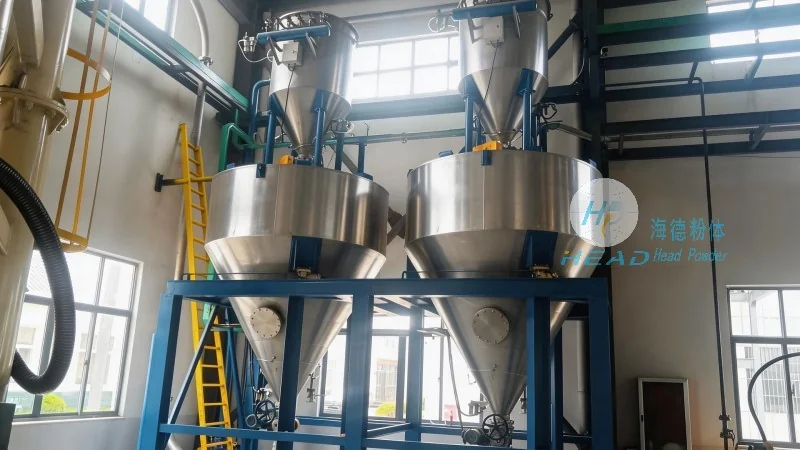
Another critical design principle is the system's ability to handle variations in material flow. Sawdust and husk materials can be irregular in size and shape, which may lead to blockages or uneven transport. To address this, the system often incorporates features like adjustable speed controls, variable feed rates, and self-cleaning mechanisms. These features help maintain consistent material flow and prevent system downtime. Additionally, the design considers the space constraints of the facility, ensuring that the system can be installed and operated within the available footprint without compromising performance.
Applications and Benefits in Industrial Settings
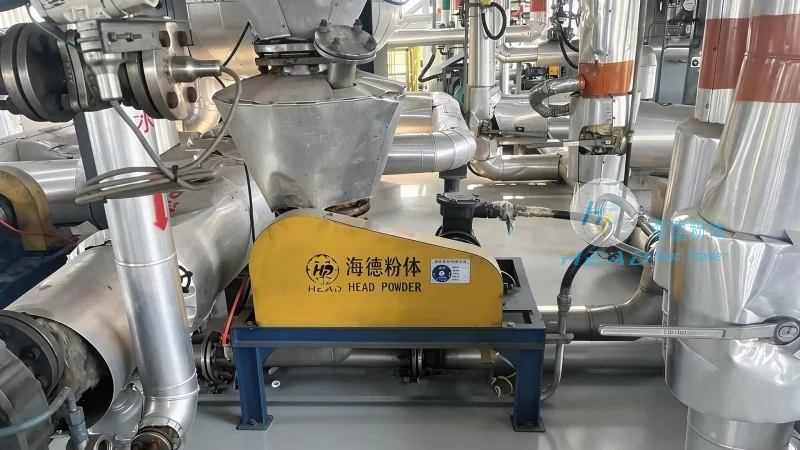
Sawdust and husk material conveying systems are widely used in various industrial applications. In woodworking plants, these systems are used to transport sawdust from cutting and shaping operations to storage or processing areas. In biomass processing facilities, they help move husk materials from agricultural sources to processing units for energy production or other applications. The benefits of using such a system include increased productivity, reduced labor costs, and improved safety by minimizing manual handling of bulk materials. Furthermore, the system's design allows for easy integration with other production equipment, enhancing the overall efficiency of the production line.
Conclusion
In conclusion, a sawdust and husk material conveying system is a vital piece of equipment for industries dealing with these materials. Its design, based on fundamental principles of material handling and operational efficiency, ensures that bulk materials are transported safely and effectively. By understanding the key components and design principles, industries can select and implement the most suitable system to meet their specific needs, ultimately improving their production processes and overall operational performance. For businesses in Shandong, China, companies like Shandong HeadPowder Engineering Co., Ltd. specialize in providing such systems, leveraging their expertise to deliver customized solutions tailored to the unique requirements of each client.