

What Are Biomass Material Handling Systems? Understanding Their Design Principles
Biomass material handling systems are essential components in the processing and transportation of organic materials such as wood chips, agricultural residues, and other renewable resources. These systems are integral to industries focused on biomass energy production, biofuel manufacturing, and sustainable waste management. The design of these systems is critical as it directly impacts operational efficiency, safety, and the overall sustainability of biomass processing operations.
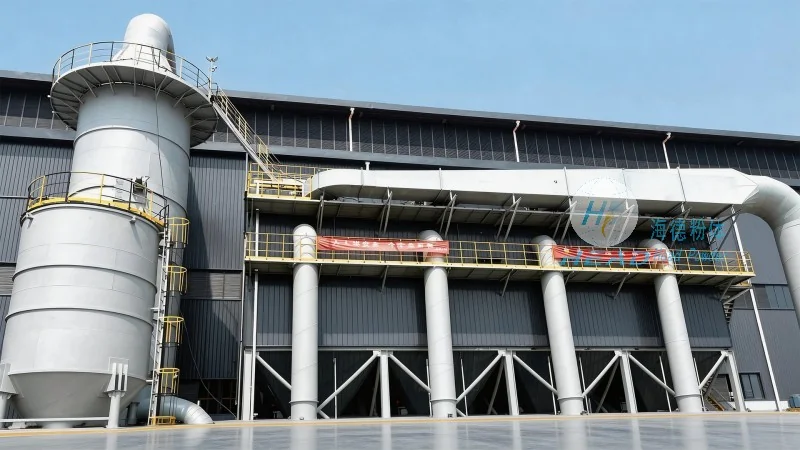
About Shandong HeadPowder Engineering Co., Ltd.
Headpowder, a leading manufacturer based in Shandong, China, specializes in the design, development, and supply of advanced biomass material handling equipment. With a strong commitment to innovation and quality, Headpowder has established itself as a trusted partner for businesses seeking reliable solutions for biomass processing. The company’s expertise lies in creating customized systems that meet the unique requirements of various biomass applications, ensuring optimal performance and durability.
Design Principles of Biomass Material Handling Systems
The design of biomass material handling systems involves several key principles aimed at maximizing efficiency and safety. One of the primary considerations is the material’s physical properties, including its moisture content, bulk density, and abrasiveness. These factors influence the choice of conveyor type, such as belt conveyors, screw conveyors, or pneumatic systems. For instance, belt conveyors are commonly used for transporting larger wood chips or agricultural residues due to their ability to handle heavy loads and maintain a stable flow. Screw conveyors, on the other hand, are ideal for handling fine biomass materials like sawdust or pellets, as they provide consistent and controlled movement through the system.
Another critical design principle is the integration of components to ensure seamless material flow. This includes the use of feeders, hoppers, and transfer points that facilitate smooth transitions between different stages of processing. The system’s layout is carefully planned to minimize material handling time and reduce energy consumption. For example, a well-designed system may incorporate multiple conveyors that work in tandem to transport biomass from storage to processing units, optimizing the overall workflow.
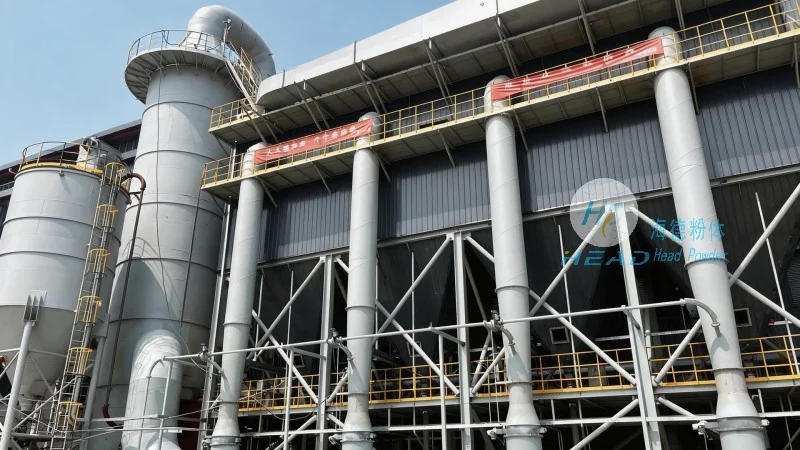
Safety is also a paramount consideration in the design of biomass material handling systems. Features such as emergency stop buttons, protective guards, and proper ventilation are incorporated to prevent accidents and ensure operator safety. Additionally, the system is designed to handle potential hazards like dust explosions, which are common in biomass processing environments. By implementing explosion-proof components and proper ventilation systems, the risk of such incidents is significantly reduced.
Applications and Benefits of Biomass Material Handling Systems
Biomass material handling systems are widely used in various industries, including biomass power plants, biofuel refineries, and agricultural processing facilities. These systems enable the efficient collection, storage, and transportation of biomass materials, which is essential for maintaining consistent production rates. The benefits of these systems extend beyond operational efficiency, as they also contribute to sustainability goals by promoting the use of renewable resources and reducing reliance on fossil fuels.
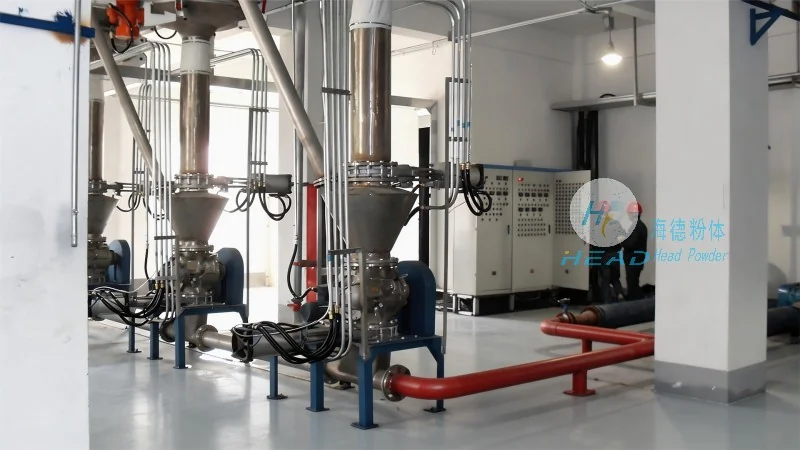
For biomass power plants, the system ensures a steady supply of fuel, which is crucial for generating electricity. The design of the system must account for the large volumes of biomass that need to be handled, often requiring high-capacity conveyors and storage silos. In biofuel refineries, the system facilitates the processing of biomass into biofuels like ethanol or biodiesel, where precise material handling is essential to maintain product quality and yield.
In agricultural processing, biomass material handling systems help in the collection and transport of crop residues, which can be used as feedstock for bioenergy or other industrial applications. The systems are designed to handle varying sizes and types of biomass, ensuring flexibility in processing different agricultural products. Overall, the benefits of these systems include improved productivity, reduced labor costs, and enhanced safety in the workplace.
Conclusion
Biomass material handling systems are sophisticated equipment designed to optimize the processing and transportation of organic materials. The design principles, which consider material properties, system integration, and safety, are crucial for achieving efficient and sustainable operations. Companies like Shandong HeadPowder Engineering Co., Ltd. play a vital role in providing these systems, leveraging their expertise to meet the diverse needs of the biomass industry. By investing in advanced material handling solutions, businesses can enhance their operational performance while contributing to a more sustainable future.