With more than 10‑year industry experience, Shandong Headpowder delivers full‑service pneumatic‑conveying systems and blowers, undertaking nationwide turn‑key powder‑handling projects.
At Shandong HeadPowder Engineering Co., Ltd., we specialize in the design, manufacturing, and implementation of efficient PVC material conveying systems. These lines are critical in various industrial applications, ensuring the smooth and safe transport of PVC materials from one point to another. Understanding the operation process and working principle of such lines is essential for optimizing production efficiency and maintaining operational safety.
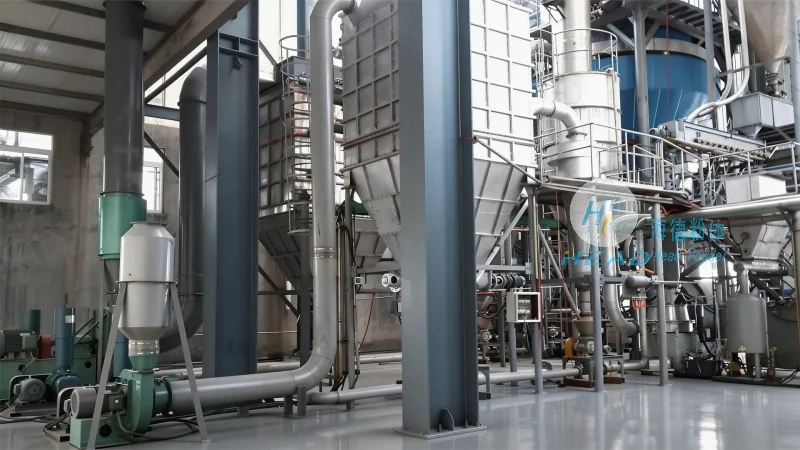
The PVC material conveying line typically consists of several key components that work in tandem to facilitate material transport. These components include feeders, conveyors (such as belt conveyors, screw conveyors, or pneumatic conveyors), control systems, and safety mechanisms. Each component plays a vital role in the overall functionality of the system. For instance, feeders are responsible for uniformly feeding the PVC material into the conveyor, while conveyors move the material along the designated path. Control systems manage the speed and direction of the conveyor, ensuring precise material handling. Safety mechanisms, including sensors and emergency stop buttons, protect operators and equipment from potential hazards.
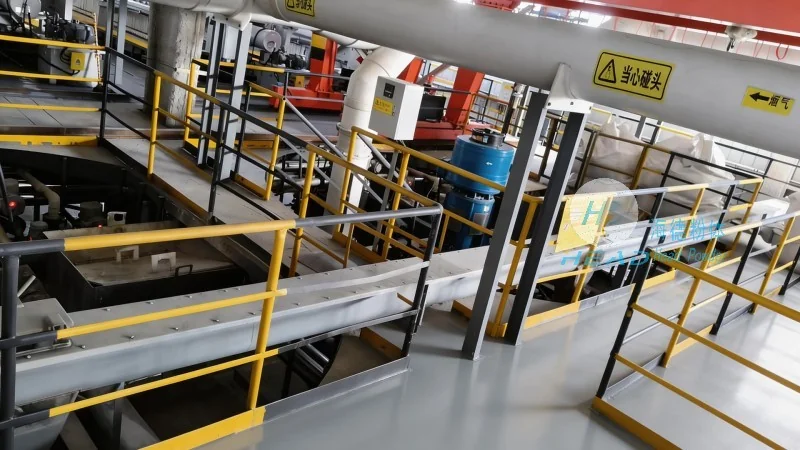
The operation process of a PVC material conveying line begins with the preparation of the PVC material. This may involve drying, mixing, or pre-processing to ensure the material meets the required specifications. Once prepared, the material is fed into the conveyor system using appropriate feeders. The conveyor then transports the material through the system, possibly involving multiple stages such as horizontal, vertical, or inclined transport. At each stage, the material may be processed further, such as sorting, screening, or packaging. The control system monitors the entire process, adjusting parameters as needed to maintain optimal performance. Finally, the material is discharged at the end of the line, ready for the next stage of production or distribution.
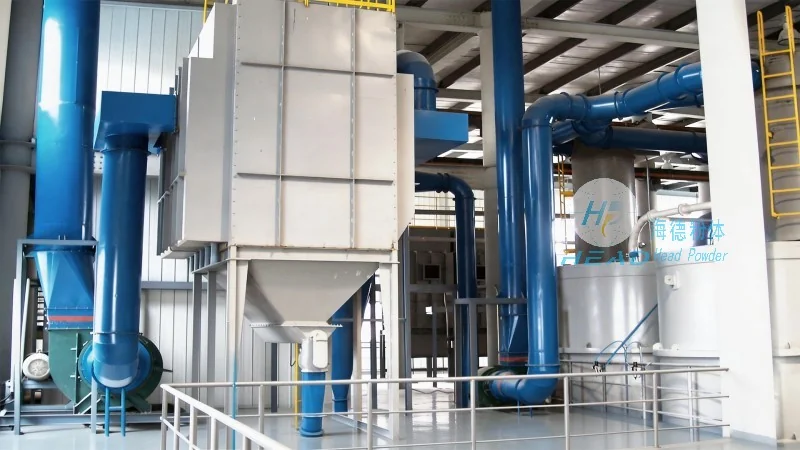
The working principle of PVC material conveying lines is based on mechanical or pneumatic forces that move the material from the inlet to the outlet. Mechanical conveyors, like belt conveyors, use a moving belt to transport the material, while screw conveyors use a rotating screw to push the material forward. Pneumatic conveyors, on the other hand, use air pressure to transport the material through a pipeline. The choice of conveyor type depends on factors such as the material characteristics, transport distance, and operational requirements. For PVC materials, which are often granular or powdery, screw conveyors and belt conveyors are commonly used due to their effectiveness in handling such materials. The control system ensures that the conveyor operates at the correct speed and pressure, preventing material blockages or damage. Safety features are integrated into the system to prevent accidents and ensure compliance with industrial safety standards.
Implementing an efficient PVC material conveying line offers several benefits for industrial operations. Firstly, it enhances production efficiency by reducing the time and labor required for material transport. By automating the process, companies can increase throughput and reduce downtime. Secondly, it improves material handling safety by minimizing manual handling and exposure to potential hazards. The integrated safety mechanisms protect both operators and equipment from accidents. Thirdly, it ensures consistent material quality by maintaining uniform transport conditions. This is particularly important for PVC materials, where variations in transport can affect the final product properties. Additionally, efficient conveying systems reduce energy consumption and maintenance costs, contributing to overall operational cost savings.
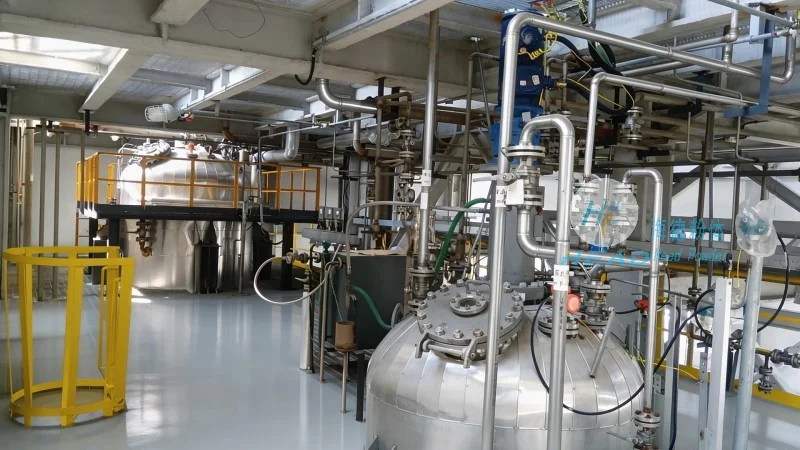
Shandong HeadPowder Engineering Co., Ltd. offers customized PVC material conveying lines tailored to the specific needs of each client. Our team of engineers works closely with clients to understand their production requirements, material characteristics, and operational constraints. Based on this information, we design and manufacture conveying systems that meet the exact specifications. Customization may include adjustments to conveyor length, speed, capacity, and material handling capabilities. The conveying lines can also be integrated with existing industrial systems, such as storage silos, processing units, and packaging equipment. This integration ensures seamless material flow and enhances overall system efficiency. Our company is committed to providing high-quality, reliable conveying solutions that meet the unique demands of each industrial application.

 Shandong Headpowder Engineering Co., Ltd.
 156-6277-7102(Manager Zhang)
  0531-83386006
  Zhangqiu District, Jinan City, Shandong Province, China
telephone
WeChatconsult
top