

What is Soybean Pneumatic Conveying: Classification and Applications of Pneumatic Conveying Systems
Pneumatic conveying systems have become an essential technology in the agricultural and food processing industries, particularly for handling bulk materials like soybeans. Soybean pneumatic conveying refers to the process of transporting soybean seeds or processed soybean products through a pipeline using air or other gases as the conveying medium. This method offers numerous advantages over traditional mechanical conveying, such as reduced equipment wear, improved material handling efficiency, and enhanced safety in handling potentially dusty or hazardous materials. As a key component of modern soybean processing operations, understanding the principles, classifications, and applications of pneumatic conveying is crucial for optimizing production lines and ensuring consistent quality in soybean handling.
Understanding Soybean Pneumatic Conveying
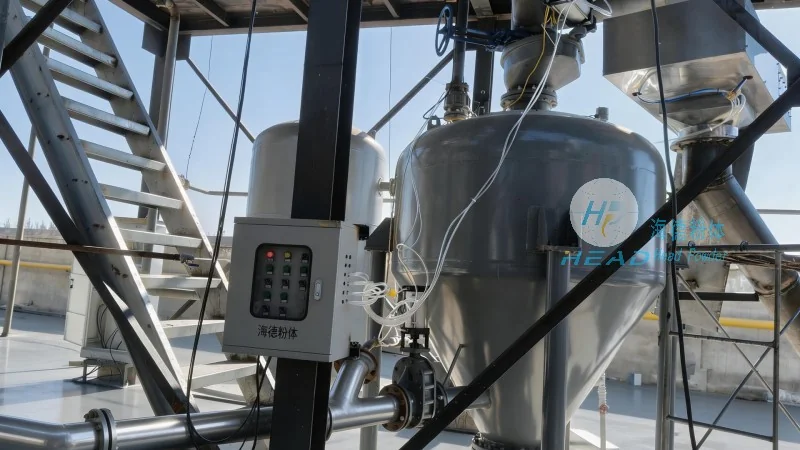
The core of soybean pneumatic conveying lies in the use of air pressure to move soybean particles through a closed system. Unlike mechanical conveyors that rely on belts, buckets, or screws, pneumatic systems utilize the kinetic energy of the air stream to lift and transport the material. The process typically involves a hopper or storage bin where soybeans are loaded, a conveyor line with a series of pipes, and a receiver or processing unit at the end. The air is introduced into the system either by a fan or a blower, creating a flow that carries the soybeans along the pipeline. This method is particularly effective for handling soybeans because it minimizes product degradation, prevents contamination, and allows for precise control over the flow rate and direction of the material. Additionally, pneumatic conveying can handle a wide range of soybean products, from raw seeds to processed powders, making it a versatile solution for various stages of soybean processing.
Classification of Pneumatic Conveying Systems
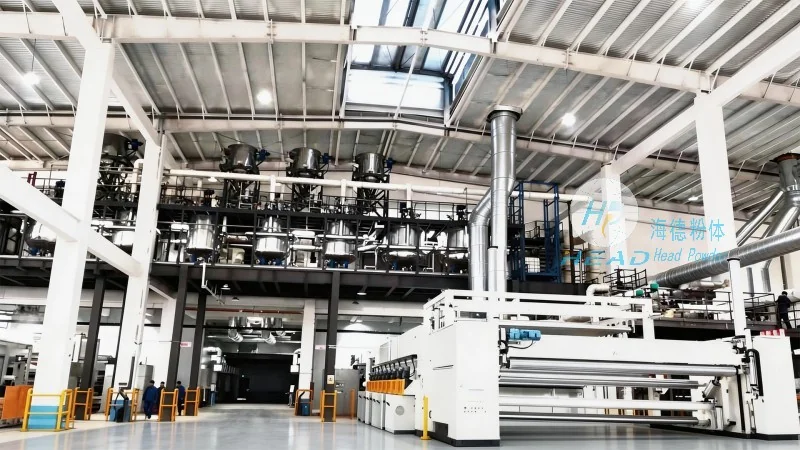
Pneumatic conveying systems are broadly classified into two main categories based on the air velocity and the resulting pressure drop: dilute-phase and dense-phase systems. Dilute-phase systems operate at higher air velocities, typically above 20 m/s, and are characterized by a low concentration of material in the air stream. This type of system is suitable for short to medium-distance conveying and is commonly used for transporting soybeans from storage bins to processing equipment. Dense-phase systems, on the other hand, operate at lower air velocities, around 5-15 m/s, and maintain a higher concentration of material in the air stream. These systems are ideal for longer distances and for handling more sensitive or delicate soybean products, such as soybean meal or soybean oil. Within these categories, there are further subtypes, including vacuum systems (which use negative pressure to draw material into the system) and pressure systems (which use positive pressure to push material through the pipeline). For soybean applications, both vacuum and pressure systems are used depending on the specific requirements of the processing line, such as the distance between the source and destination, the volume of material to be conveyed, and the need for gentle handling to preserve product quality.
Applications of Soybean Pneumatic Conveying
Soybean pneumatic conveying finds extensive applications across the entire soybean processing value chain. In the initial stages of processing, pneumatic systems are used to transport raw soybeans from storage silos or trucks to the cleaning and conditioning equipment. This step is critical for removing impurities and preparing the soybeans for further processing. During the crushing and solvent extraction process, pneumatic conveying is employed to move soybean flakes, meal, and oil slurry between different processing units, ensuring a continuous and efficient flow of materials. In the final stages, pneumatic systems are used to transport finished products, such as soybean oil or soybean meal, to storage tanks or packaging facilities. The versatility of pneumatic conveying makes it suitable for various applications, including the handling of soybean seeds, soybean flour, and soybean protein isolates. Additionally, pneumatic systems can be integrated with other processing equipment, such as dryers and classifiers, to create a seamless production line that maximizes efficiency and minimizes downtime. By using pneumatic conveying, soybean processing facilities can achieve higher throughput, reduce labor costs, and improve overall operational efficiency.
About Shandong HeadPowder Engineering Co., Ltd.
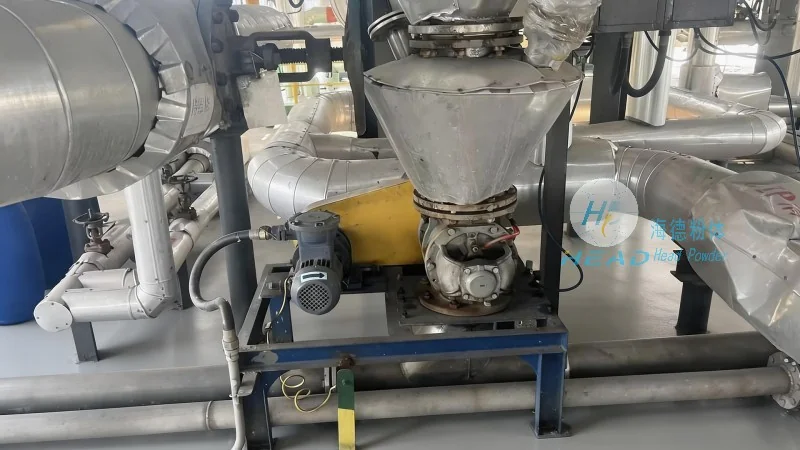
Shandong HeadPowder Engineering Co., Ltd., commonly known as HeadPowder, is a leading manufacturer and supplier of pneumatic conveying systems and related equipment for the agricultural and food processing industries. With a strong focus on innovation and quality, HeadPowder has established itself as a trusted partner for businesses involved in soybean processing and other bulk material handling operations. The company specializes in designing and manufacturing customized pneumatic conveying solutions tailored to the specific needs of its clients, ensuring optimal performance and reliability in handling soybeans and other agricultural products. HeadPowder's products are known for their durability, efficiency, and compliance with industry standards, making them a preferred choice for processing facilities worldwide. The company's headquarters is located in Shandong, China, where it leverages its local expertise and resources to serve clients both domestically and internationally. By combining advanced technology with a customer-centric approach, HeadPowder continues to contribute to the advancement of soybean processing technology and the overall efficiency of the agricultural industry.