With more than 10‑year industry experience, Shandong Headpowder delivers full‑service pneumatic‑conveying systems and blowers, undertaking nationwide turn‑key powder‑handling projects.
Foam pneumatic conveying is a specialized method of material handling that utilizes a mixture of air and foam to transport bulk materials. This technology has gained significant attention in various industrial sectors due to its efficiency and adaptability. The process involves creating a foam medium by introducing air into a liquid, which then acts as a carrier for the solid particles. The foam provides a stable and low-pressure environment, reducing the risk of material degradation and equipment wear compared to traditional pneumatic conveying systems.

Pneumatic conveying systems can be broadly categorized into two main types: dilute-phase and dense-phase. Dilute-phase systems operate at higher velocities, typically transporting materials in a dispersed state, making them suitable for short distances and low to medium material loads. Dense-phase systems, on the other hand, use lower velocities and higher air-to-material ratios, resulting in a more concentrated material flow. This method is ideal for handling abrasive or sensitive materials, as it minimizes particle impact and friction. Additionally, there are pressure and vacuum systems, each with distinct applications based on the operational requirements and material characteristics.
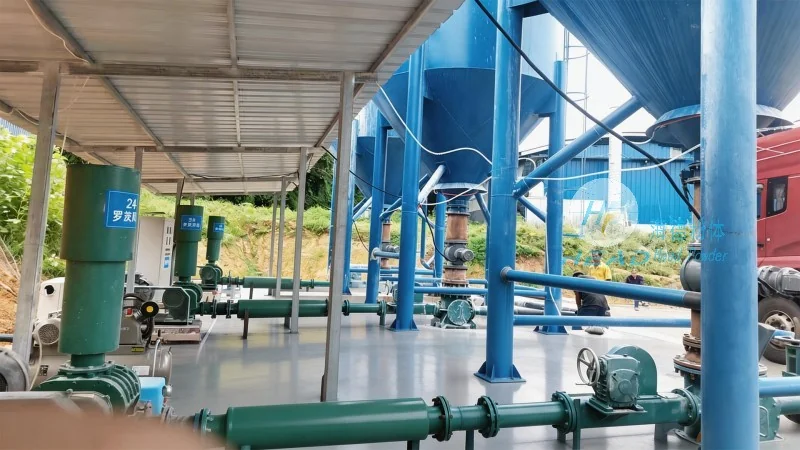
The applications of foam pneumatic conveying span across multiple industries. In the pharmaceutical sector, it is used for the safe and sterile transport of powders, ensuring compliance with regulatory standards. The food industry benefits from its ability to handle sensitive ingredients without contamination or degradation. The chemical industry employs it for transporting reactive or hazardous powders, providing a controlled environment that prevents exposure risks. Furthermore, in the mining and construction sectors, foam pneumatic conveying is utilized for transporting bulk materials like ores, cement, and sand, enhancing operational efficiency and reducing labor costs.
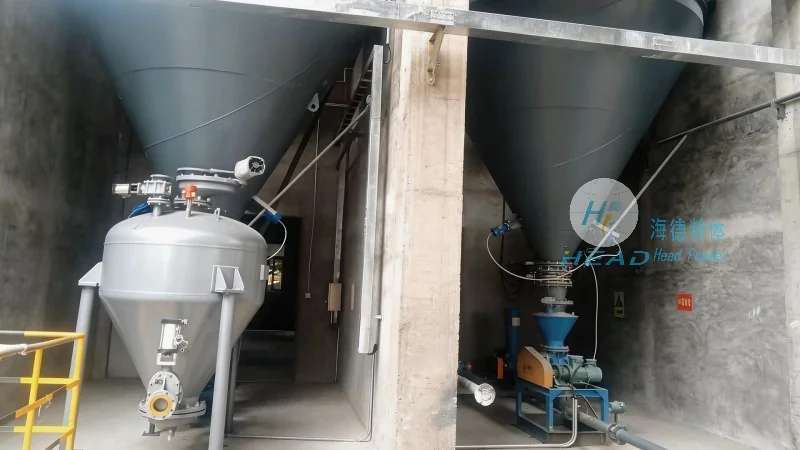
One of the key advantages of foam pneumatic conveying is its ability to handle a wide range of materials, including fine powders, granules, and even sticky or cohesive substances. The foam medium helps to break down agglomerates, ensuring a consistent flow. Another advantage is the reduced energy consumption compared to traditional systems, as the lower air velocities required in dense-phase operation result in lower power demands. Moreover, the system is more environmentally friendly, as it minimizes dust emissions and operates with lower noise levels. This makes it an attractive option for industries focused on sustainability and operational efficiency.

 Shandong Headpowder Engineering Co., Ltd.
 156-6277-7102(Manager Zhang)
  0531-83386006
  Zhangqiu District, Jinan City, Shandong Province, China
telephone
WeChatconsult
top