With more than 10‑year industry experience, Shandong Headpowder delivers full‑service pneumatic‑conveying systems and blowers, undertaking nationwide turn‑key powder‑handling projects.
Understanding Lysine Pneumatic Conveying and Its Applications
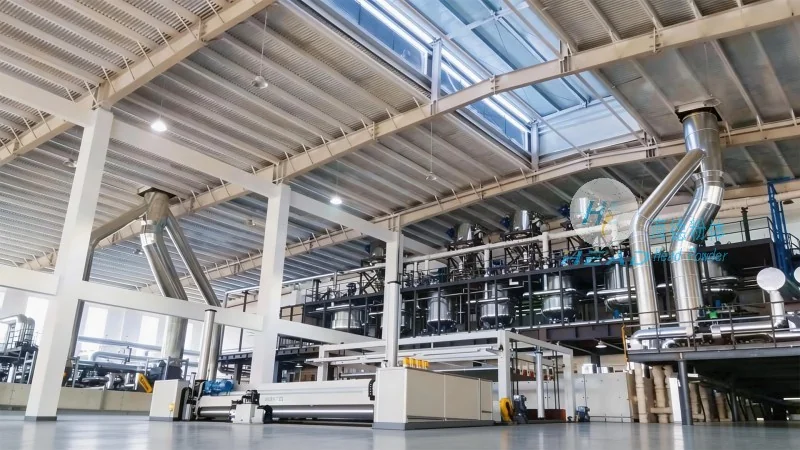
Lysine is a critical amino acid widely used in the animal feed and pharmaceutical industries. Efficient and reliable material handling is essential for processing lysine, and pneumatic conveying systems have emerged as a preferred solution for transporting lysine powder. This article explores the concept of lysine pneumatic conveying, the different classifications of pneumatic conveying systems, and their practical applications in the lysine production and processing sectors. The information is presented by Shandong HeadPowder Engineering Co., Ltd., a leading manufacturer based in Shandong, China, specializing in advanced material handling technologies.
Lysine pneumatic conveying refers to the process of transporting lysine powder through a pipeline using compressed air or other gas as the conveying medium. This method eliminates the need for mechanical components like buckets or belts, offering a clean, dust-free, and efficient way to move lysine from one location to another within a production facility. The system typically consists of a hopper, a conveying line, a control unit, and a discharge point. The compressed air creates a pressure differential that propels the lysine powder through the pipeline, ensuring consistent and controlled flow. Lysine pneumatic conveying is particularly advantageous for handling fine powders like lysine, as it minimizes product degradation and contamination, which are critical concerns in the lysine industry.
Pneumatic conveying systems are categorized based on the pressure used to move the material. The two primary types are pressure and vacuum systems. Pressure systems operate by injecting compressed air into the conveying line at a higher pressure than the ambient air, pushing the material forward. Vacuum systems, on the other hand, create a negative pressure in the line, drawing the material from the source. For lysine applications, both types are used depending on the specific requirements of the process. Pressure systems are often preferred for long-distance or high-volume conveying, as they can handle larger quantities of material with less energy consumption. Vacuum systems are suitable for shorter distances or when the material needs to be transported from multiple sources to a central location.
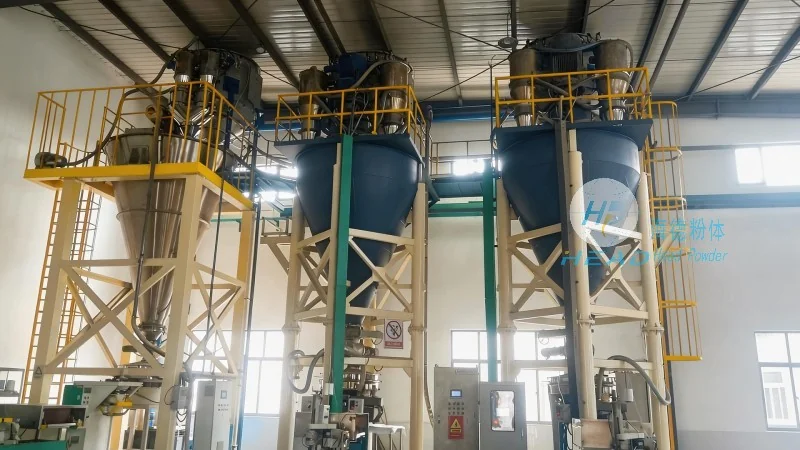
Effective lysine pneumatic conveying relies on several key components that work in tandem to ensure optimal performance. The hopper is the initial storage container where lysine is loaded before being fed into the system. It is designed to minimize material buildup and prevent caking, which can affect the flow rate. The feeder, often a rotary valve or a screw feeder, controls the rate at which lysine is introduced into the conveying line, ensuring a consistent flow. The conveying line itself is typically made of stainless steel or other corrosion-resistant materials to handle the lysine powder and prevent contamination. The control unit manages the pressure and flow of the compressed air, adjusting it as needed to maintain the desired conveying rate. Finally, the discharge point, such as a silo or a processing unit, receives the lysine at the end of the pipeline. Each component is crucial for the smooth operation of the system and must be properly maintained to avoid downtime and ensure product quality.
Lysine pneumatic conveying is widely used in various stages of lysine production and processing. In the initial stages, it is used to transport raw lysine from storage silos to the processing units, ensuring a continuous supply of material. During the production process, it is employed to move lysine between different processing steps, such as from the crystallization unit to the drying and packaging stages. In the final stages, it is used to transport finished lysine products to storage silos or packaging lines. The versatility of pneumatic conveying makes it suitable for both bulk and small-scale applications, allowing manufacturers to adapt the system to their specific production needs. Additionally, the clean and dust-free nature of pneumatic conveying is particularly beneficial in the lysine industry, where product purity is paramount. By using pneumatic conveying, manufacturers can maintain high standards of hygiene and prevent cross-contamination, which is essential for meeting regulatory requirements and ensuring product safety.
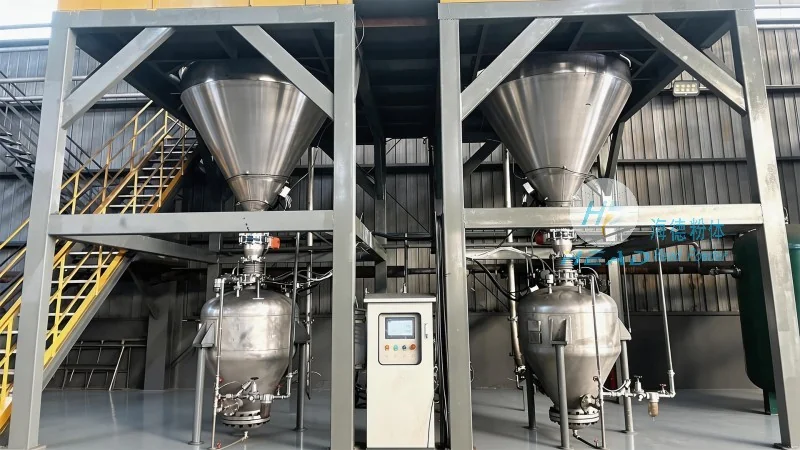
There are several advantages to using pneumatic conveying systems for lysine handling. First, it offers a dust-free and clean operation, which is critical for maintaining product quality and meeting industry standards. Unlike mechanical systems, pneumatic conveying does not generate dust or particles that can contaminate the lysine, reducing the risk of product recalls. Second, it provides a high degree of control over the conveying process, allowing manufacturers to adjust the flow rate and pressure as needed to optimize production efficiency. This flexibility is particularly important in dynamic production environments where demand fluctuates. Third, pneumatic conveying systems are relatively compact and can be installed in confined spaces, making them suitable for facilities with limited floor space. Fourth, they are energy-efficient compared to traditional mechanical systems, as they use compressed air to move the material rather than mechanical components that require more power. Finally, the system is easy to maintain and repair, with fewer moving parts that can wear out over time. These advantages make lysine pneumatic conveying an attractive option for manufacturers looking to improve their production processes and maintain high standards of quality.
While lysine pneumatic conveying offers numerous benefits, there are also challenges and considerations that manufacturers must address. One of the main challenges is the potential for material buildup and caking in the hopper and feeder, which can reduce the flow rate and cause system downtime. To mitigate this, manufacturers use anti-caking agents or design the hopper with sloped walls to prevent material from sticking. Another challenge is the risk of pressure drops in the conveying line, which can affect the flow rate and cause material to settle. Regular maintenance and cleaning of the line are necessary to prevent this. Additionally, the cost of compressed air and the energy consumption of the system can be significant, especially for large-scale operations. Manufacturers must balance the initial investment cost with the long-term operational savings to determine the most cost-effective solution. Finally, the system requires proper training for operators to ensure safe and efficient operation. Proper training can help prevent accidents and ensure that the system is used correctly, minimizing the risk of damage to the equipment or product.
Lysine pneumatic conveying is a highly effective and efficient method for transporting lysine powder in the production and processing industry. The system offers numerous advantages, including dust-free operation, high control over the conveying process, and energy efficiency. By understanding the different classifications of pneumatic conveying systems and the key components involved, manufacturers can select the most suitable system for their specific needs. The applications of lysine pneumatic conveying are widespread, from raw material handling to final product packaging, making it an essential technology in the lysine industry. As the demand for lysine continues to grow, the importance of efficient material handling systems like pneumatic conveying will only increase. Shandong HeadPowder Engineering Co., Ltd. remains committed to providing advanced pneumatic conveying solutions that meet the evolving needs of the lysine industry, ensuring high-quality, reliable, and cost-effective material handling for its clients.

 Shandong Headpowder Engineering Co., Ltd.
 156-6277-7102(Manager Zhang)
  0531-83386006
  Zhangqiu District, Jinan City, Shandong Province, China
telephone
WeChatconsult
top