With more than 10‑year industry experience, Shandong Headpowder delivers full‑service pneumatic‑conveying systems and blowers, undertaking nationwide turn‑key powder‑handling projects.
Metallurgical coal powder pneumatic conveying is a key technology in material handling, particularly within the metallurgical industry. This method involves transporting coal powder through a pipeline system using air or other gas as the conveying medium. The process is essential for efficient material transport in industrial settings, ensuring that coal powder is moved from storage to processing units without the need for mechanical components like belts or buckets. As a specialized application of pneumatic conveying, it plays a crucial role in maintaining the flow of raw materials for steel production and other metallurgical processes.
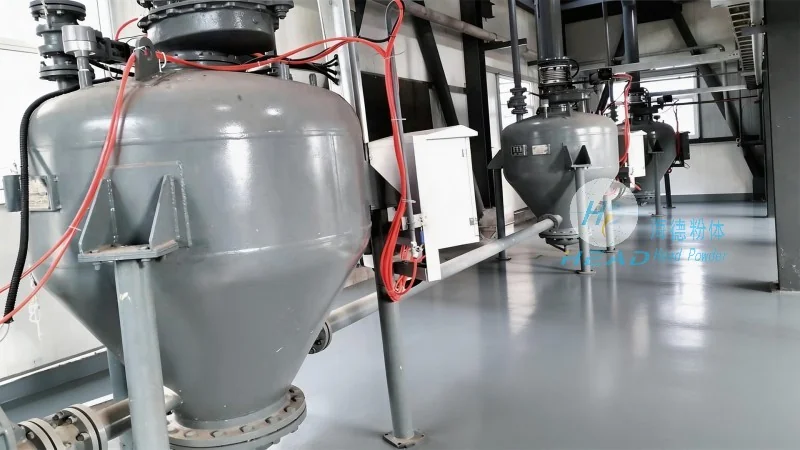
Pneumatic conveying systems are designed to transport bulk materials through a pipeline network. These systems can be categorized into different types based on the flow characteristics and pressure levels. The primary types include dilute-phase and dense-phase pneumatic conveying. Dilute-phase systems operate at low pressure and use high-velocity air to transport materials in a dispersed state, making them suitable for long-distance and high-capacity applications. Dense-phase systems, on the other hand, operate at higher pressure and use lower air velocities, resulting in a more concentrated material flow. This distinction affects the system's efficiency, energy consumption, and suitability for different materials, including metallurgical coal powder.
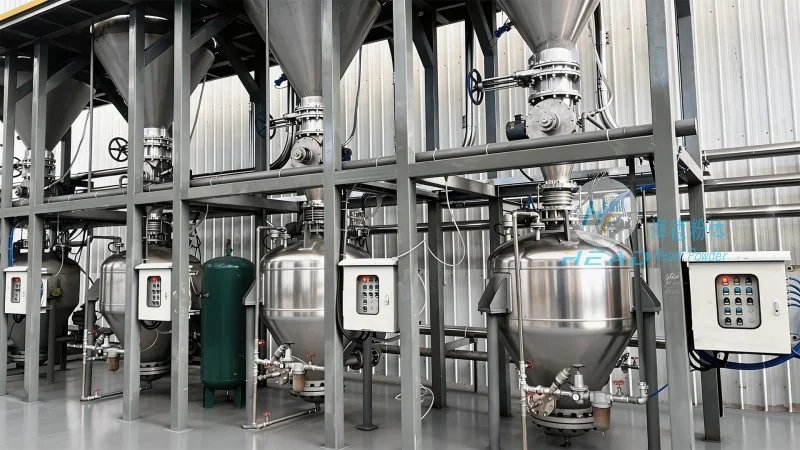
When applied to metallurgical coal powder, pneumatic conveying systems are further classified based on operational parameters and material properties. The classification helps in selecting the appropriate system for specific industrial needs. For instance, pressure-driven systems are commonly used in metallurgical applications due to their ability to handle abrasive and fine materials like coal powder. These systems can be either positive displacement or venturi-based, each with its own advantages in terms of pressure control and material handling. Additionally, the choice between continuous and batch operation depends on the production requirements and the scale of the operation. Continuous systems are ideal for high-volume, steady-state processes, while batch systems are suitable for smaller, intermittent loads.
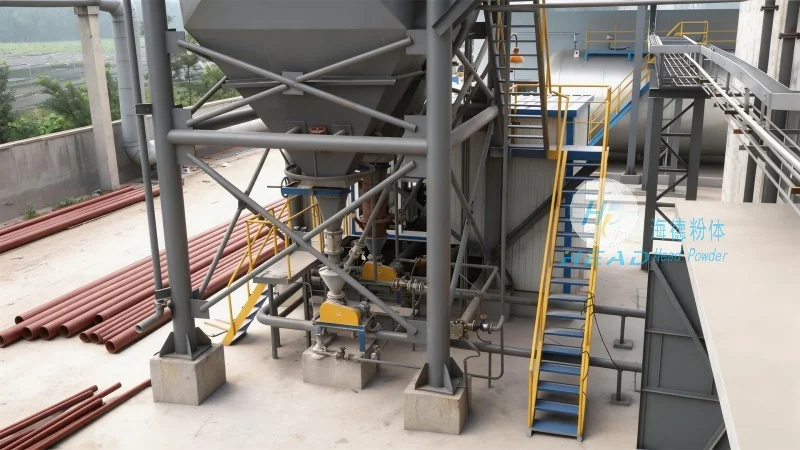
The application of pneumatic conveying in the metallurgical industry is widespread and critical for various processes. One of the main applications is the transport of coal powder from storage silos to the blast furnace or other processing units. This ensures a consistent supply of raw material, which is vital for maintaining production efficiency. Another application is the handling of coal powder in coal preparation plants, where it may be mixed with other materials or processed before use. Pneumatic conveying also facilitates the transfer of coal powder in environmental control systems, such as dust collection and recycling, helping to maintain air quality and comply with environmental regulations. The technology's ability to handle fine and abrasive materials makes it particularly suitable for metallurgical coal powder, which can cause wear and tear on traditional conveyor systems.
Implementing an effective pneumatic conveying system for metallurgical coal powder requires careful consideration of several factors. Material properties, such as particle size, density, and abrasiveness, significantly impact system design and performance. For example, fine coal powders may require higher air velocities to prevent clogging, while abrasive materials demand robust pipeline and component materials to minimize wear. System design also considers the conveying distance and elevation changes, as these affect the required pressure and energy consumption. Additionally, the choice of air compressor and filtration system is critical to ensure efficient operation and maintain material quality. Proper maintenance and monitoring of the system are essential to prevent downtime and ensure long-term reliability. These considerations are crucial for optimizing the performance of pneumatic conveying systems in metallurgical applications.
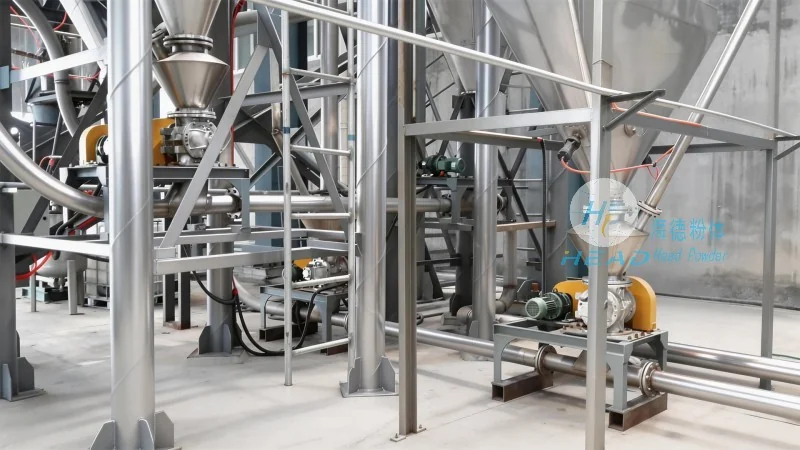
Metallurgical coal powder pneumatic conveying is a sophisticated and essential technology in the metallurgical industry. By understanding the classification and applications of pneumatic conveying systems, industrial operators can select the most appropriate solution for their material handling needs. The technology's ability to handle fine, abrasive materials efficiently makes it a preferred choice over traditional mechanical conveyors. As the demand for efficient material transport in metallurgy continues to grow, the development and application of advanced pneumatic conveying systems will remain critical. Companies like Shandong HeadPowder Engineering Co., Ltd., based in China, specialize in designing and implementing such systems, providing tailored solutions for various industrial requirements. Their expertise in material handling technology ensures that metallurgical coal powder is transported safely and efficiently, supporting the overall productivity and sustainability of metallurgical operations.

 Shandong Headpowder Engineering Co., Ltd.
 156-6277-7102(Manager Zhang)
  0531-83386006
  Zhangqiu District, Jinan City, Shandong Province, China
telephone
WeChatconsult
top