With more than 10‑year industry experience, Shandong Headpowder delivers full‑service pneumatic‑conveying systems and blowers, undertaking nationwide turn‑key powder‑handling projects.
HeadPowder, a leading manufacturer based in Shandong, China, specializes in the design, development, and production of advanced silicate material handling equipment. This equipment is crucial for industries dealing with silicate materials, such as ceramics, glass, and construction materials, ensuring efficient and reliable material transport processes. The following content provides a detailed overview of the operation process and working principle of these systems, highlighting the technical aspects and operational efficiency.
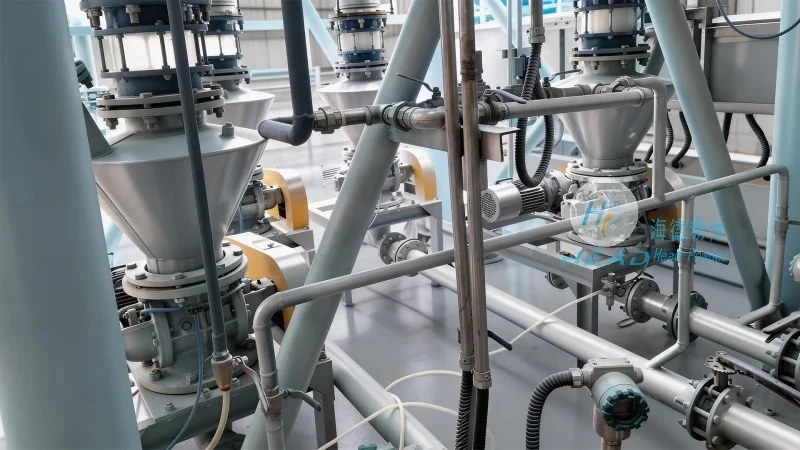
Shandong HeadPowder Engineering Co., Ltd. is a reputable company in the field of material handling solutions. With a strong commitment to innovation and quality, HeadPowder has established itself as a trusted partner for businesses seeking efficient silicate material transport systems. The company’s expertise lies in understanding the unique challenges of handling silicate materials, which often require specialized equipment to maintain material integrity and operational safety. By leveraging years of industry experience, HeadPowder has developed a range of equipment tailored to meet the diverse needs of its clients.
Silicate material handling equipment is designed to handle materials like clay, silica, and other mineral-based substances commonly used in manufacturing processes. These materials are often abrasive and require equipment that can withstand harsh operating conditions while ensuring precise and consistent transport. The equipment typically includes components such as feeders, conveyors, and processing units, all integrated to form a seamless material handling system. The design of these systems emphasizes durability, efficiency, and minimal maintenance, making them suitable for continuous industrial operations.
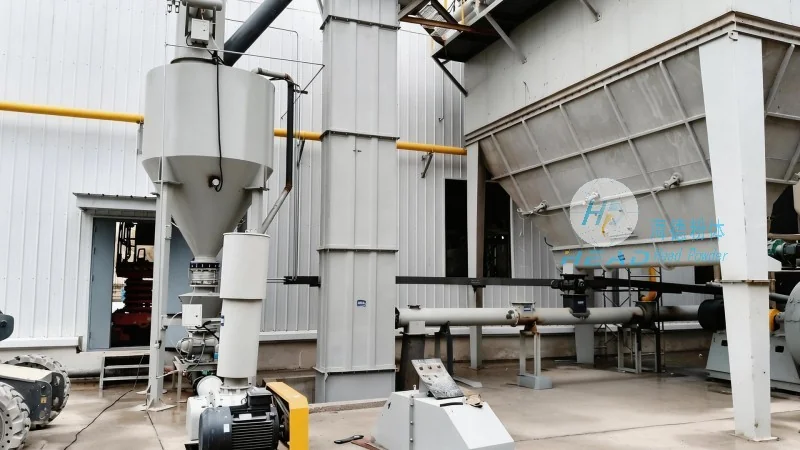
The operation process of silicate material handling equipment involves several key steps that ensure smooth and efficient material transport. The first step is material feeding, where raw silicate materials are introduced into the system. This is typically done using feeders, which can be volumetric or gravimetric, depending on the specific requirements of the application. The feeder controls the flow rate of the material, ensuring a consistent supply to the subsequent processing units. Once the material is fed, it moves into the conveyor system, which may include belt conveyors, screw conveyors, or pneumatic conveyors, depending on the material characteristics and the desired transport method.
The conveyor system is responsible for transporting the material from the feeding point to the processing or storage location. Belt conveyors are commonly used for bulk materials due to their high capacity and ability to handle abrasive materials. Screw conveyors are ideal for materials that require mixing or blending, as they can combine different components while moving the material forward. Pneumatic conveyors, on the other hand, use air pressure to transport fine or dusty materials, ensuring minimal contamination and efficient transport. The choice of conveyor type depends on factors such as material size, moisture content, and the need for material mixing or separation.
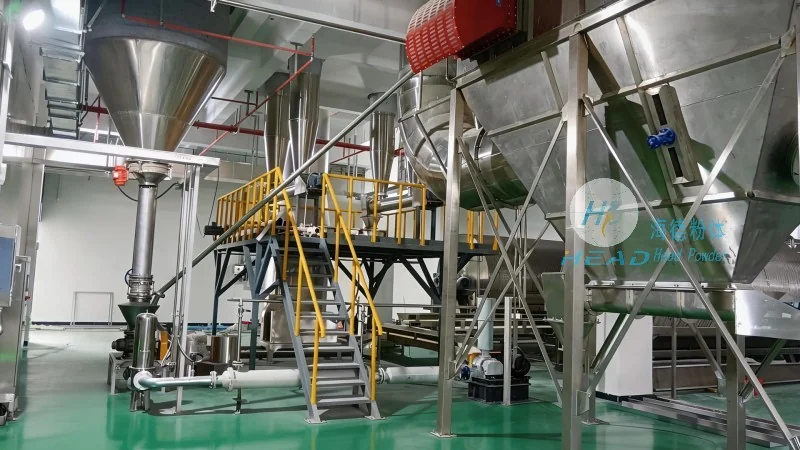
The working principle of silicate material handling equipment is based on mechanical and sometimes pneumatic systems that facilitate the movement and processing of materials. The core components of the system include feeders, conveyors, and control mechanisms that work in tandem to achieve the desired operational outcomes. Feeders are responsible for controlling the material flow rate, ensuring that the conveyor system receives a consistent supply of material. This is crucial for maintaining the efficiency of the entire system, as uneven material flow can lead to blockages or inefficiencies.
The conveyor system, whether belt, screw, or pneumatic, operates by converting the input energy (such as electric power) into mechanical motion. Belt conveyors use motor-driven pulleys to move the belt, which carries the material along its path. Screw conveyors utilize a rotating screw to push the material forward, while pneumatic conveyors use compressed air to create a flow of material through a pipeline. The control mechanisms, often integrated with sensors and automation systems, monitor the system's performance and adjust parameters as needed to maintain optimal operation. For example, if the material flow rate changes, the feeder or conveyor speed can be adjusted automatically to maintain a consistent output.
HeadPowder's silicate material handling equipment is equipped with several features that enhance its performance and reliability. These features include robust construction to withstand the abrasive nature of silicate materials, advanced control systems for precise operation, and easy maintenance components to minimize downtime. The equipment is designed to handle a wide range of material types and sizes, making it versatile for various industrial applications. Additionally, the systems are energy-efficient, reducing operational costs while maintaining high throughput. The integration of automation and sensors allows for real-time monitoring and data collection, enabling better process control and predictive maintenance.
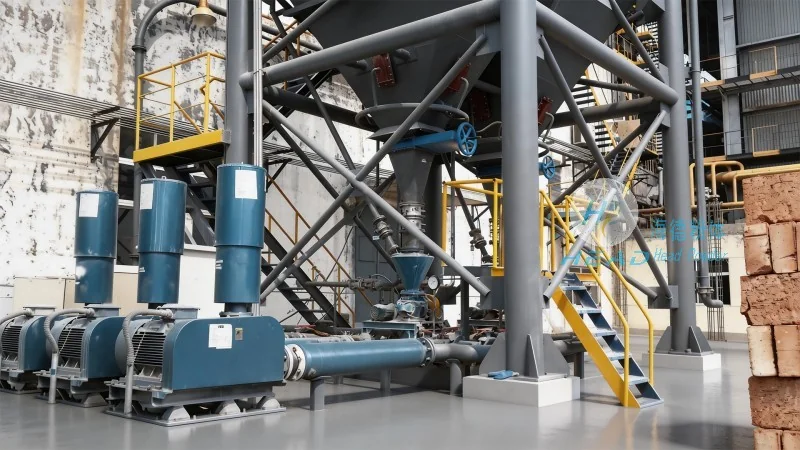
Silicate material handling equipment is widely used in industries such as ceramics, glass manufacturing, and construction material production. In the ceramics industry, these systems are used to transport clay and other raw materials to production lines, ensuring a steady supply for tile and pottery manufacturing. In glass manufacturing, the equipment handles silica sand and other ingredients, facilitating the production of glass products with consistent quality. In construction material production, the systems transport materials like cement and aggregates, supporting the manufacturing of concrete and other building materials. The versatility of HeadPowder's equipment makes it suitable for these and other applications where efficient material handling is critical to operational success.
HeadPowder's silicate material handling equipment offers a reliable and efficient solution for industries dealing with silicate materials. By understanding the unique challenges of handling these materials, HeadPowder has developed equipment that combines advanced technology with robust construction. The operation process and working principle of these systems ensure consistent performance, minimal maintenance, and high material throughput. As a leading manufacturer based in Shandong, China, HeadPowder continues to innovate and provide high-quality material handling solutions that meet the evolving needs of its clients. The company's commitment to quality and customer satisfaction makes it a trusted partner for businesses seeking efficient and reliable silicate material transport systems.

 Shandong Headpowder Engineering Co., Ltd.
 156-6277-7102(Manager Zhang)
  0531-83386006
  Zhangqiu District, Jinan City, Shandong Province, China
telephone
WeChatconsult
top