

Technical Analysis of Xiaomi Pneumatic Conveying Systems: Comparison of Positive Pressure and Negati
HeadPowder, a leading engineering company based in Shandong, China, specializes in the design, manufacturing, and implementation of advanced pneumatic conveying systems. This technical analysis focuses on the two primary modes of operation within these systems: positive pressure and negative pressure conveying. By examining the technical aspects, performance characteristics, and practical applications of each mode, we aim to provide a comprehensive understanding that assists in selecting the most suitable conveying solution for various industrial needs.
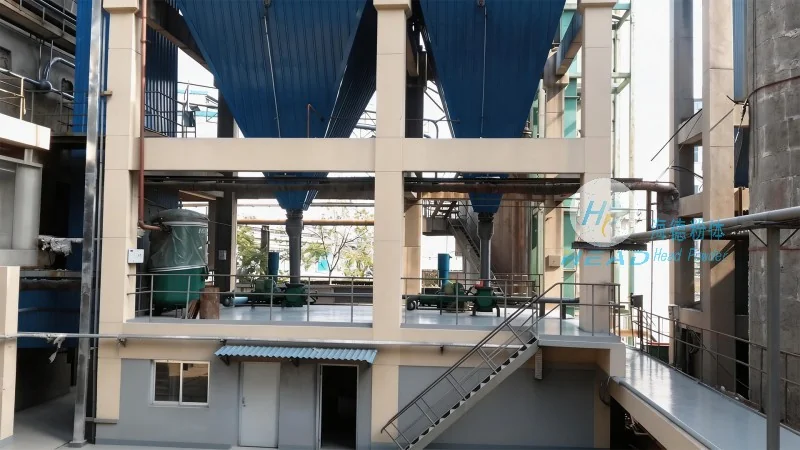
Introduction to Pneumatic Conveying Systems and the Role of HeadPowder
Pneumatic conveying systems are essential for the efficient transport of bulk materials over short to medium distances in industrial settings. These systems utilize air or gas to move materials through pipelines, offering advantages such as flexibility, speed, and the ability to handle a wide range of materials, from powders to granules. HeadPowder, with its expertise in engineering and material handling, has developed cutting-edge solutions that cater to diverse industry requirements. The company’s commitment to innovation and quality ensures that its pneumatic conveying systems meet the highest standards of performance and reliability.
Understanding the Core Concepts of Positive and Negative Pressure Conveying
At the heart of pneumatic conveying are two fundamental modes of operation: positive pressure and negative pressure. Positive pressure conveying involves blowing air or gas into the conveying line, creating a pressure higher than the ambient air pressure, which propels the material forward. Conversely, negative pressure conveying creates a vacuum in the line, drawing material into the system as air is drawn through the material stream. Both modes have distinct advantages and are suitable for different applications, depending on factors such as material properties, distance, and system complexity.
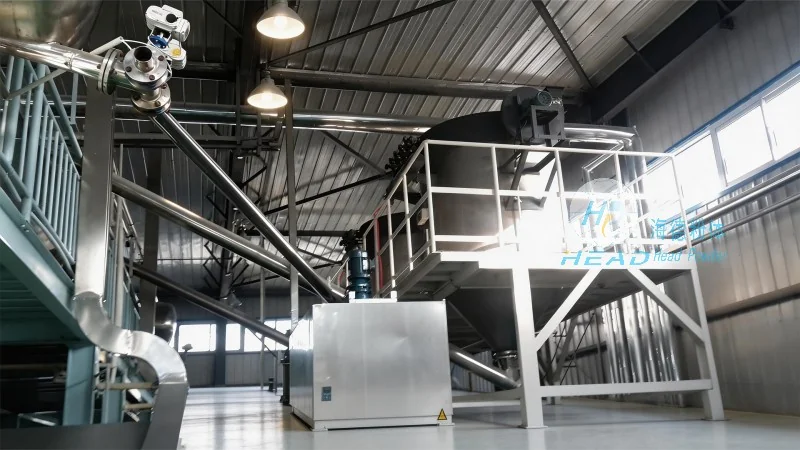
Technical Specifications and Performance Characteristics of Positive Pressure Conveying Systems
Positive pressure conveying systems are characterized by their ability to handle high-pressure air or gas, typically operating at pressures ranging from 0.5 to 10 bar. This mode is particularly effective for conveying materials that are abrasive, sticky, or prone to caking, as the high pressure helps to break up agglomerates and maintain material flow. The system components include a positive displacement blower, a material feed hopper, and a pipeline network. Performance characteristics of positive pressure systems include high conveying velocities, which can reach up to 30 m/s, and the capacity to transport materials over distances of several hundred meters. HeadPowder’s positive pressure systems are engineered to deliver consistent performance, with features such as variable speed control and material flow monitoring to optimize operation.
Technical Specifications and Performance Characteristics of Negative Pressure Conveying Systems
Negative pressure conveying systems operate by creating a vacuum in the conveying line, typically at pressures ranging from -0.5 to -1 bar. This mode is ideal for applications where dust control and material containment are critical, as the system draws material into the line without exposing the material to high pressures. The components of a negative pressure system include a vacuum pump, a material feed hopper, and a filtration system to capture any airborne particles. Performance characteristics include lower conveying velocities compared to positive pressure systems, typically ranging from 5 to 15 m/s, and the ability to handle materials that are sensitive to pressure changes. HeadPowder’s negative pressure systems are designed with advanced filtration and dust control mechanisms to ensure compliance with environmental regulations and to maintain material quality.
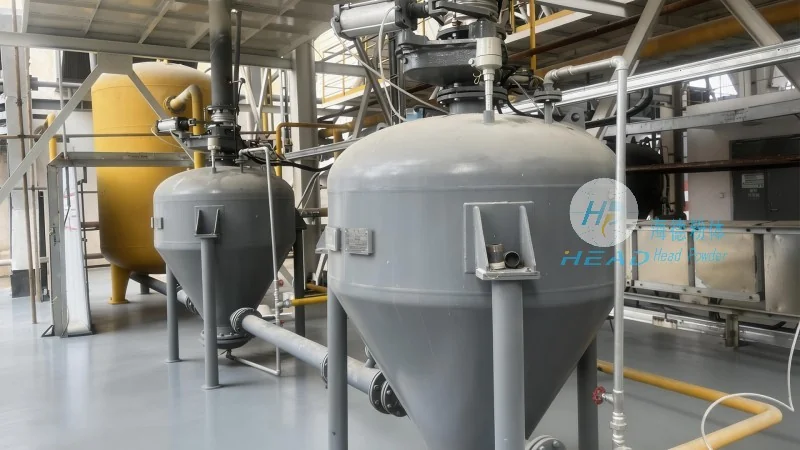
Comparative Analysis of Positive vs. Negative Pressure Conveying Systems
When comparing positive and negative pressure conveying systems, several factors must be considered to determine the most appropriate choice. Positive pressure systems are generally more suitable for high-volume, long-distance conveying of abrasive or sticky materials, as they can maintain high velocities and handle challenging material properties. Negative pressure systems, on the other hand, are preferred for applications where dust control is paramount, such as in pharmaceutical or food processing industries, where material purity and environmental compliance are critical. The choice also depends on the initial investment and operational costs, as positive pressure systems may require more robust components and higher energy consumption due to the need for high-pressure blowers. Conversely, negative pressure systems may involve higher maintenance costs for vacuum pumps and filtration systems. HeadPowder’s technical team conducts thorough assessments of each project to recommend the optimal conveying mode based on specific operational requirements and material characteristics.
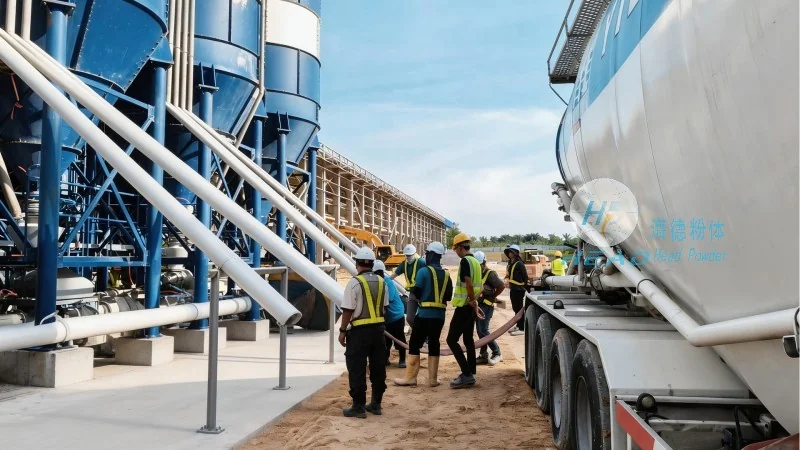
Practical Applications and Industry Considerations for HeadPowder Systems
HeadPowder’s pneumatic conveying systems have been successfully implemented in a wide range of industries, including food and beverage, pharmaceuticals, chemicals, and mining. In the food industry, negative pressure systems are commonly used to transport powders and granules, ensuring that the material remains free from contamination and that dust is effectively captured. In the pharmaceutical sector, both modes are utilized, with negative pressure systems often preferred for sterile environments due to their ability to maintain a controlled atmosphere. The chemical industry benefits from the flexibility of positive pressure systems when handling corrosive or hazardous materials, while negative pressure systems are employed for dust-sensitive applications. HeadPowder’s expertise in material handling and system integration ensures that its solutions are tailored to meet the unique challenges of each industry, providing reliable and efficient material transport solutions.
Conclusion and Recommendations for Selecting the Right Conveying Mode
In conclusion, the choice between positive and negative pressure pneumatic conveying systems depends on a careful evaluation of material properties, operational requirements, and environmental considerations. HeadPowder, as a leading provider of pneumatic conveying solutions, offers both positive and negative pressure systems that are engineered to deliver superior performance and reliability. By understanding the technical specifications and performance characteristics of each mode, as well as the practical applications and industry considerations, users can make an informed decision that optimizes material transport efficiency and operational costs. HeadPowder’s commitment to innovation and customer-centric solutions ensures that its systems are not only technically advanced but also tailored to meet the evolving needs of modern industrial operations.