With more than 10‑year industry experience, Shandong Headpowder delivers full‑service pneumatic‑conveying systems and blowers, undertaking nationwide turn‑key powder‑handling projects.
HeadPowder, a leading engineering firm based in Shandong, China, specializes in the design and manufacturing of advanced material handling systems tailored for the lithium industry. This article provides a detailed overview of the operation process and working principle of lithium carbonate material handling equipment, highlighting the key components, operational steps, and technical mechanisms that ensure efficient and reliable material transport in industrial settings.
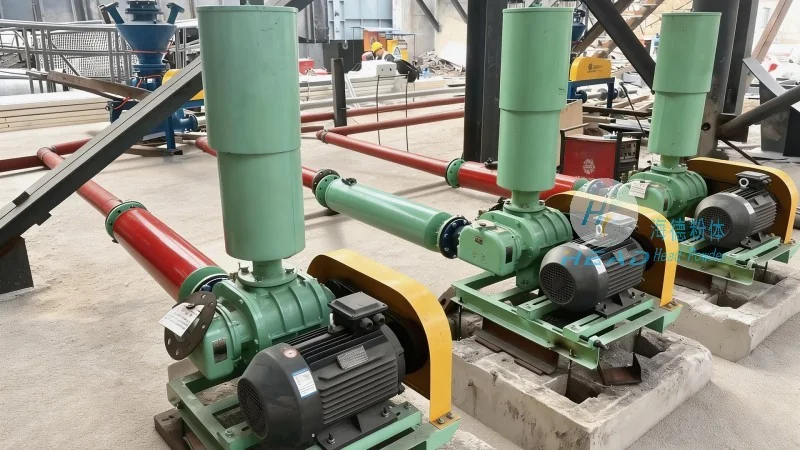
Lithium carbonate, a critical raw material in the production of lithium-ion batteries and other high-tech applications, requires specialized equipment for safe and efficient handling. The material handling system for lithium carbonate typically includes components such as feeders, conveyors, storage silos, and control systems. These systems are engineered to handle the unique properties of lithium carbonate, including its fine powder form, low bulk density, and potential dust generation, ensuring minimal material loss and optimal processing efficiency.
The lithium carbonate material handling equipment consists of several interconnected components that work in tandem to achieve seamless material transport. The primary components include:
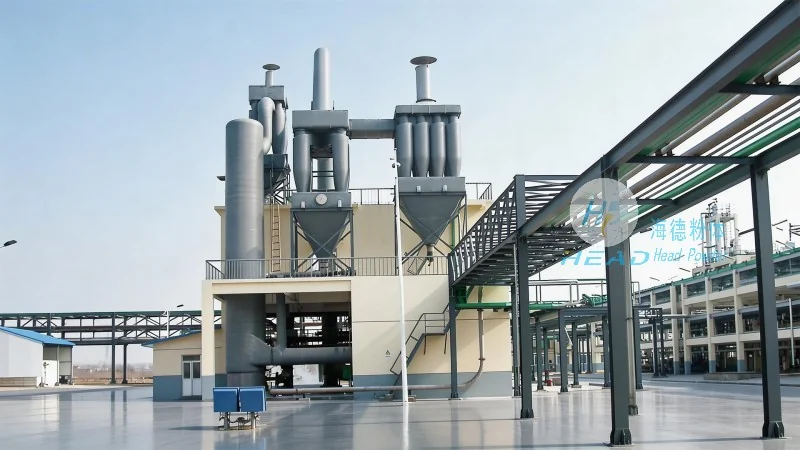
The operation process of the lithium carbonate material handling equipment follows a systematic sequence to ensure efficient material transport. The steps are as follows:
The working principle of the lithium carbonate material handling equipment is based on the principles of mechanical and pneumatic transport, tailored to handle the specific characteristics of lithium carbonate. The system utilizes a combination of gravity, vibration, and compressed air to move the fine powder efficiently and safely.
1. Mechanical Conveyance: In mechanical conveyors, the material is moved by rotating rollers or belts. The design of the conveyor is optimized to minimize material degradation and prevent dust accumulation. The slope of the conveyor is adjusted to ensure that the material flows smoothly without excessive friction.
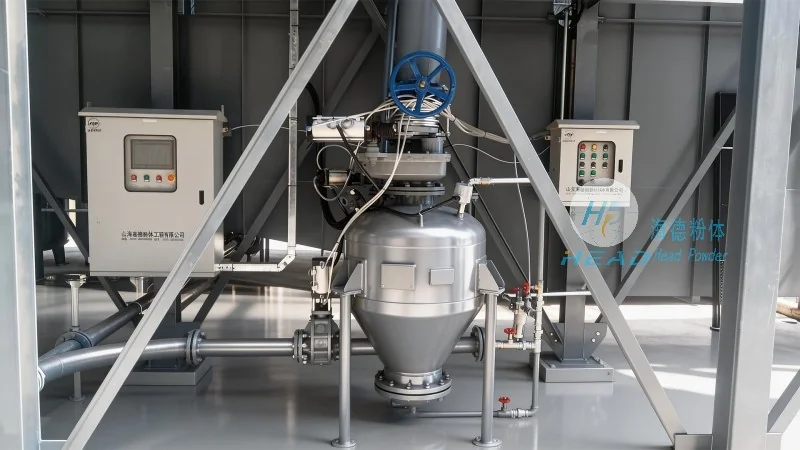
2. Pneumatic Conveyance: The pneumatic system operates by injecting compressed air into the pipeline, creating a flow that carries the lithium carbonate powder. The velocity of the air is carefully controlled to ensure that the powder is transported without clogging or degradation. The system may include cyclone separators to separate the powder from the air before it is released into the environment.
3. Vibration and Feeding: The vibrating feeder uses an oscillating motion to move the material from the hopper to the conveyor. The frequency and amplitude of the vibration are adjusted to achieve the desired flow rate, ensuring consistent material delivery. This component is crucial for maintaining system stability and preventing material buildup in the hopper.
4. Control and Monitoring: The control panel integrates sensors and actuators to monitor and regulate the operation of all components. It provides real-time data on flow rate, pressure, and temperature, allowing operators to adjust the system parameters as needed. The system also includes safety features such as alarms and emergency stop buttons to prevent accidents and ensure personnel safety.
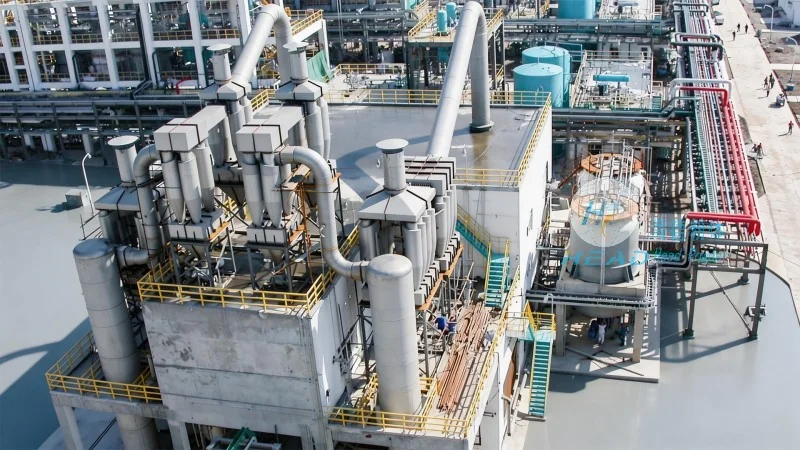
The use of specialized material handling equipment for lithium carbonate offers several benefits, including:
HeadPowder's lithium carbonate material handling equipment is engineered to meet the demanding requirements of the lithium industry. By understanding the operation process and working principle of these systems, manufacturers can optimize their production lines, improve efficiency, and ensure the safe and reliable handling of lithium carbonate. With its headquarters in Shandong, China, HeadPowder continues to provide innovative solutions for the evolving needs of the material handling sector.

 Shandong Headpowder Engineering Co., Ltd.
 156-6277-7102(Manager Zhang)
  0531-83386006
  Zhangqiu District, Jinan City, Shandong Province, China
telephone
WeChatconsult
top