With more than 10‑year industry experience, Shandong Headpowder delivers full‑service pneumatic‑conveying systems and blowers, undertaking nationwide turn‑key powder‑handling projects.
Efficient and safe handling of potassium hydroxide (KOH) is critical in various industrial applications, from chemical manufacturing to food processing and beyond. The design and implementation of a reliable KOH handling system can significantly impact operational efficiency, safety protocols, and overall production quality. This article provides an overview of potassium hydroxide handling systems, with a particular focus on the advantages of air-driven conveying technology.
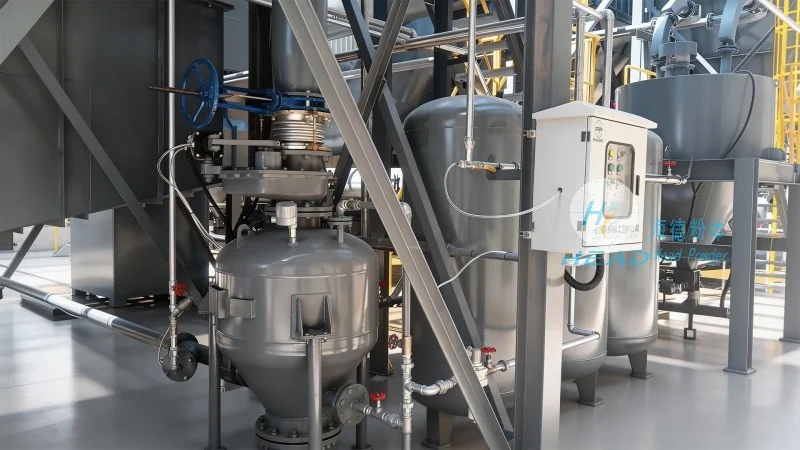
Potassium hydroxide, a strong base with high reactivity, requires specialized equipment and processes to ensure safe and effective transportation from storage to processing units. Traditional methods such as bulk bags, drums, or trucks may pose challenges related to material spillage, contamination, and labor-intensive handling. Modern handling systems are engineered to address these issues by integrating advanced materials handling technologies, including pneumatic conveying systems.
One of the most effective solutions for transporting potassium hydroxide is air-driven (or pneumatic) conveying. This method utilizes a pressurized air system to move the material through a pipeline network, eliminating the need for mechanical components like buckets or belts that could introduce friction or contamination. The key advantages of air-driven KOH conveying include:
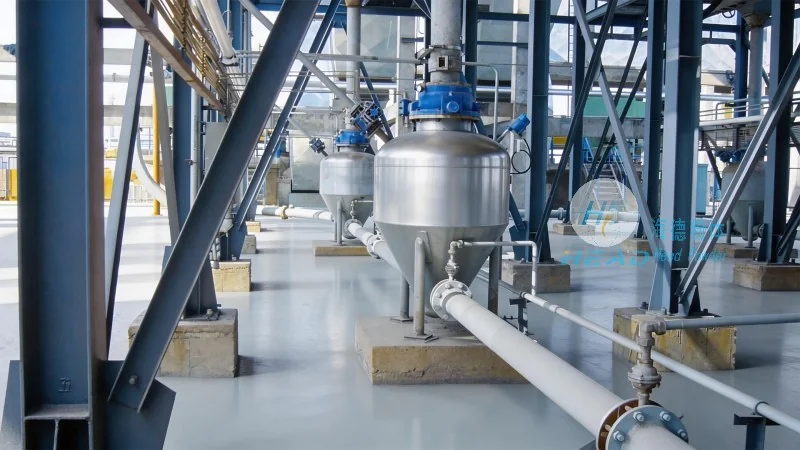
A comprehensive potassium hydroxide handling system typically consists of several critical components working in tandem to ensure smooth material flow. These components include:
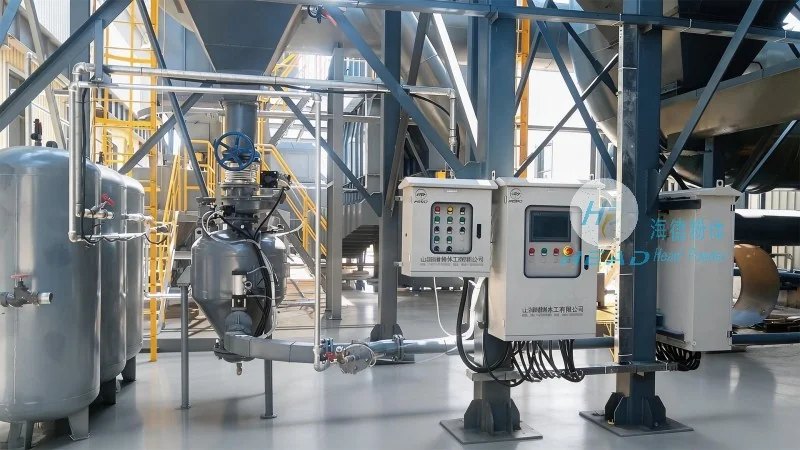
The benefits of advanced potassium hydroxide handling systems are evident across multiple industries where KOH is a key raw material. In the chemical industry, KOH is used in the production of soaps, detergents, and other alkaline products. In the food and beverage sector, it serves as a pH regulator and cleaning agent. The pharmaceutical industry also relies on KOH in the synthesis of various compounds. For each of these applications, a reliable handling system ensures that KOH is delivered to processing units in a controlled, safe manner, meeting quality and regulatory standards.
Investing in a well-designed potassium hydroxide handling system, particularly one utilizing air-driven conveying technology, offers significant advantages in terms of safety, efficiency, and operational reliability. By leveraging the expertise of companies like Shandong HeadPowder Engineering Co., Ltd., based in China, industries can implement tailored solutions that address their specific material handling needs. The combination of advanced engineering and proven technology ensures that potassium hydroxide is handled with precision, supporting consistent production and compliance with industry standards.

 Shandong Headpowder Engineering Co., Ltd.
 156-6277-7102(Manager Zhang)
  0531-83386006
  Zhangqiu District, Jinan City, Shandong Province, China
telephone
WeChatconsult
top