With more than 10‑year industry experience, Shandong Headpowder delivers full‑service pneumatic‑conveying systems and blowers, undertaking nationwide turn‑key powder‑handling projects.
When it comes to the pneumatic conveying of phosphate fertilizer powder, selecting the right system is crucial for efficiency, cost-effectiveness, and operational safety. Two primary approaches are widely used: positive pressure conveying and negative pressure conveying. Understanding the differences between these two methods is essential for making an informed decision. This article will explore the key aspects of both systems, helping you determine which one is better suited for your specific application.
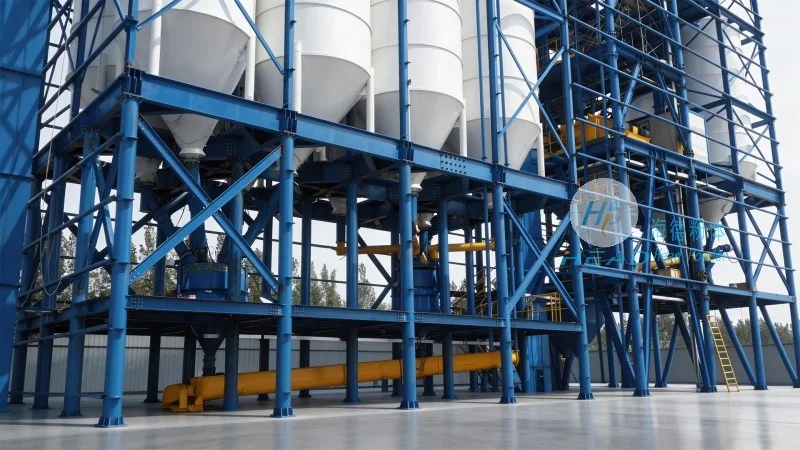
Pneumatic conveying is a method of transporting bulk materials like phosphate fertilizer powder through a pipeline using air or gas. It offers several advantages over traditional mechanical conveying, including reduced dust, lower maintenance requirements, and the ability to transport materials over long distances. However, the choice between positive and negative pressure systems depends on various factors such as material properties, distance, and system complexity.
Positive pressure conveying, also known as pressure pneumatic conveying, operates by blowing air or gas into the conveying line under pressure. The material is carried by the moving air stream, which is typically generated by a positive displacement blower or a centrifugal fan. This system is commonly used for short to medium distances and for materials that are less abrasive or have lower moisture content. The high-pressure air ensures that the material is fully suspended and transported efficiently.
One of the key advantages of positive pressure systems is their ability to handle a wide range of particle sizes and shapes. They are also suitable for applications where the material needs to be discharged into a specific location, such as a storage silo or a processing unit. The positive pressure also helps in preventing the ingress of external air or contaminants into the system, maintaining the purity of the phosphate fertilizer powder.
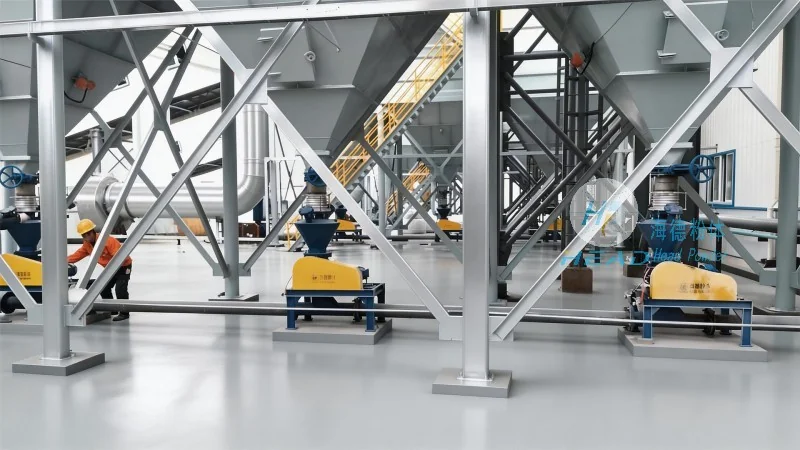
Negative pressure conveying, or vacuum pneumatic conveying, works by creating a vacuum in the conveying line. The material is drawn into the system by the suction created by a vacuum pump or a fan. This method is often used for longer distances and for materials that are more abrasive or have higher moisture content. The vacuum helps in maintaining the material's integrity and preventing it from clogging the pipeline.
A major benefit of negative pressure systems is their ability to handle materials that are prone to dust or are sensitive to pressure. The vacuum also allows for the collection of material from multiple sources and the transport to a single destination. However, these systems may require more maintenance due to the higher wear and tear on the vacuum pump and the pipeline.
Several factors can help in distinguishing between positive and negative pressure conveying systems. The first is the distance of the conveying line. Positive pressure systems are generally suitable for shorter distances, typically up to a few hundred meters, while negative pressure systems can handle longer distances, sometimes exceeding a kilometer. The material properties also play a significant role. For example, if the phosphate fertilizer powder is highly abrasive or has a high moisture content, a negative pressure system might be more appropriate to prevent wear and clogging.
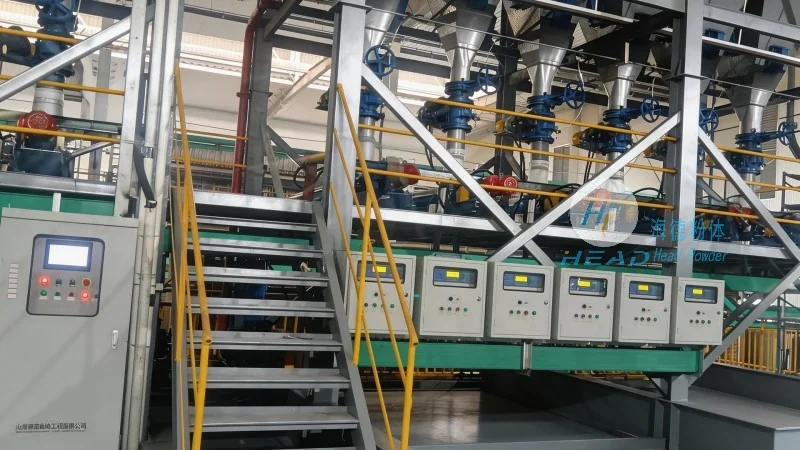
The system's complexity and cost are also important considerations. Positive pressure systems are often simpler and less expensive to install and maintain, making them ideal for smaller operations or applications with limited budget. Negative pressure systems, on the other hand, may require more sophisticated equipment and higher energy consumption, but they offer greater flexibility in material handling.
Positive pressure conveying is commonly used in the transportation of phosphate fertilizer powder from a storage silo to a processing plant or a packaging line. The short distance and the need to maintain the material's quality make this a suitable application for a positive pressure system. Negative pressure systems, however, are often employed in the transfer of phosphate fertilizer powder from a production facility to a storage terminal or a distribution center, where longer distances and the handling of bulk materials are required.
In conclusion, the choice between positive and negative pressure pneumatic conveying systems for phosphate fertilizer powder depends on several factors, including distance, material properties, and operational requirements. Positive pressure systems are ideal for shorter distances and less abrasive materials, while negative pressure systems are better suited for longer distances and more challenging material conditions. By carefully evaluating these factors, you can select the most appropriate system to ensure efficient and reliable transportation of your phosphate fertilizer powder.

 Shandong Headpowder Engineering Co., Ltd.
 156-6277-7102(Manager Zhang)
  0531-83386006
  Zhangqiu District, Jinan City, Shandong Province, China
telephone
WeChatconsult
top