With more than 10‑year industry experience, Shandong Headpowder delivers full‑service pneumatic‑conveying systems and blowers, undertaking nationwide turn‑key powder‑handling projects.
White carbon black powder pneumatic conveying is a specialized industrial process designed to transport fine white carbon black powder through a pipeline system using air or gas as the conveying medium. This method offers several advantages over traditional mechanical conveying, including reduced equipment wear, lower maintenance requirements, and the ability to handle powders that are difficult to transport by other means. Understanding the components and operational principles of such systems is essential for optimizing performance and ensuring safe, efficient operation in industrial settings.
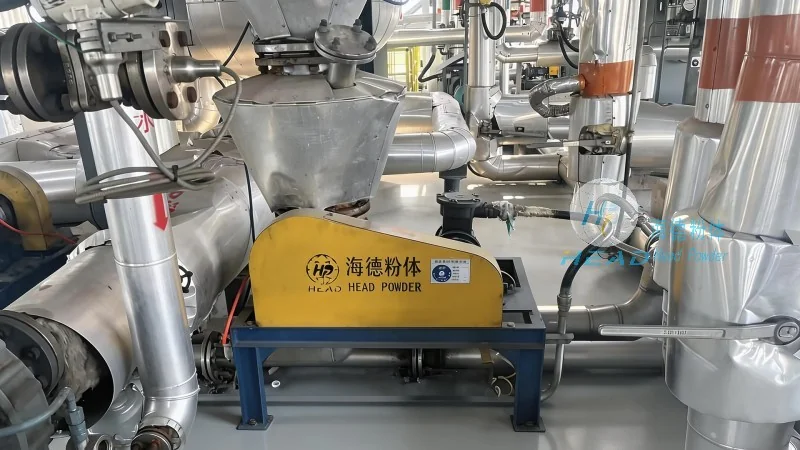
Shandong HeadPowder Engineering Co., Ltd., operating under the brand name HeadPowder, is a prominent engineering firm specializing in the design and implementation of advanced powder handling solutions. With a strong commitment to quality and innovation, the company has established itself as a leader in providing customized pneumatic conveying systems for industries that rely on white carbon black and other fine powders. HeadPowder’s expertise lies in developing solutions that meet the specific requirements of clients, ensuring reliable and efficient material transport while adhering to industry standards and safety regulations.
The pneumatic conveying system for white carbon black powder typically comprises several core components. The primary elements include a powder feeder, which precisely controls the flow rate of the white carbon black powder into the conveying line. This feeder is crucial for maintaining consistent material flow and preventing blockages or overloading. The conveying line, usually made of stainless steel or other corrosion-resistant materials, transports the powder from the feeder to the receiver or silo. A blower or compressor generates the necessary air pressure to move the powder through the pipeline, with the air velocity and pressure carefully regulated to ensure efficient transport without causing excessive wear on the system components.
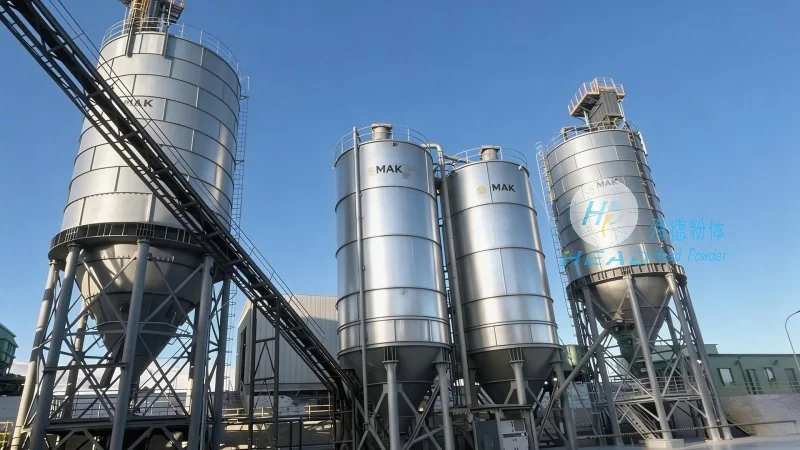
The powder feeder is a critical component that determines the uniformity and reliability of the conveying process. For white carbon black powder, which can be prone to bridging or agglomeration, specialized feeders such as rotary valves or screw feeders are often used. These devices ensure a steady flow of material, preventing interruptions that could lead to system downtime. Additionally, the feeder may include features like pre-drying or pre-heating to improve powder flow characteristics, especially when dealing with moisture-sensitive materials. The choice of feeder type depends on factors such as the powder's bulk density, flowability, and the required conveying capacity.
The conveying line is the main pathway for transporting the white carbon black powder. It is typically a rigid pipeline with smooth interior surfaces to minimize friction and reduce the risk of powder buildup. The line may include bends, elbows, or other fittings that are designed to maintain consistent air velocity and prevent pressure drops. The air system, which includes the blower or compressor and associated controls, is responsible for generating the airflow necessary to move the powder. The pressure and flow rate are carefully calibrated to match the characteristics of the white carbon black powder, ensuring that the material is conveyed at an optimal speed without causing excessive energy consumption or equipment wear.
The receiver or silo is the final component of the pneumatic conveying system, where the white carbon black powder is deposited after being transported through the pipeline. This storage vessel is designed to accommodate the volume of material being conveyed and may include features such as a discharge valve or a hopper to facilitate the removal of the powder. The receiver is often equipped with a dust collection system or filter to capture any fine particles that may escape during the conveying process, ensuring compliance with environmental regulations and maintaining air quality in the facility. The design of the receiver also considers factors like material compatibility and ease of maintenance, as it is a critical part of the overall system.
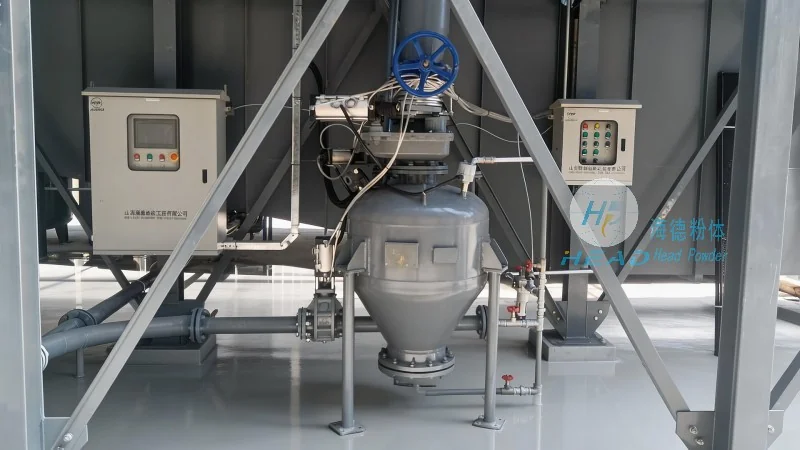
Due to the fine nature of white carbon black powder, it is essential to include effective filters and dust collection systems in the pneumatic conveying setup. These components are responsible for capturing any airborne particles that may be generated during the conveying process, preventing them from being released into the environment or causing health hazards for workers. The filters may be of various types, such as bag filters or cartridge filters, depending on the specific requirements of the application. Regular maintenance of these systems is crucial to ensure their effectiveness and prevent clogging, which could lead to system inefficiencies or downtime.
HeadPowder is headquartered in Shandong, China, a region known for its robust industrial base and advanced manufacturing capabilities. The company’s location in this area provides access to a skilled workforce, advanced technology, and a supportive business environment, enabling the development of high-quality powder handling solutions. By operating from Shandong, HeadPowder can efficiently serve clients across various industries, including chemical manufacturing, plastics processing, and material handling, with a focus on delivering customized systems that meet the unique needs of each client. The company’s operational strength lies in its ability to combine engineering expertise with practical experience, ensuring that the pneumatic conveying systems it provides are reliable, efficient, and cost-effective.

 Shandong Headpowder Engineering Co., Ltd.
 156-6277-7102(Manager Zhang)
  0531-83386006
  Zhangqiu District, Jinan City, Shandong Province, China
telephone
WeChatconsult
top