With more than 10‑year industry experience, Shandong Headpowder delivers full‑service pneumatic‑conveying systems and blowers, undertaking nationwide turn‑key powder‑handling projects.
The efficient and reliable transport of foundry sand is a critical aspect of modern casting operations. As industries strive for higher productivity and lower operational costs, advanced material handling solutions like pneumatic conveying systems have become indispensable. This article delves into the fundamentals of sand blasting pneumatic conveying, explaining how these systems operate and the benefits they offer to foundry processes.
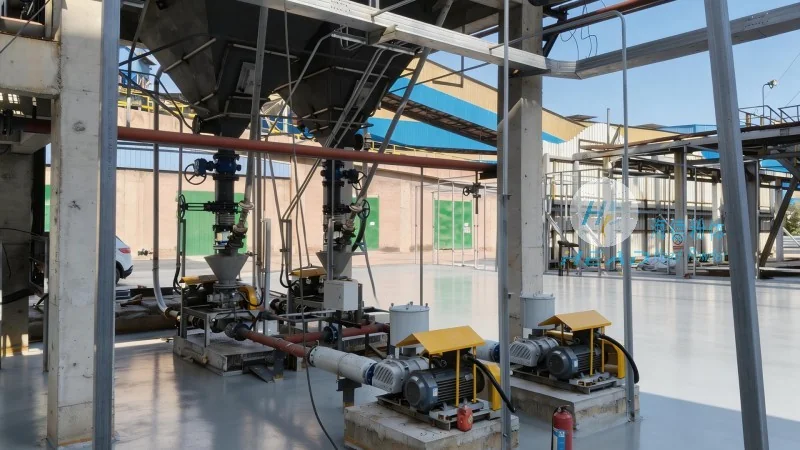
Pneumatic conveying, also known as powder handling systems, is a method used to transport bulk materials like foundry sand through a pipeline using compressed air or other gas streams. For foundry applications, this technology is particularly valuable due to the abrasive and heavy nature of the sand. The system typically involves a hopper, a conveying line, and a receiver, all working in tandem to move sand from one location to another without the need for mechanical components like belts or buckets.
A typical pneumatic conveying system for sand handling consists of several key components. The process begins with the sand being fed into a hopper, where it is then drawn into the conveying line by a vacuum or pressure source. The compressed air or gas acts as the "push" or "pull" force, depending on the system design. In a pressure system, air is introduced at the discharge end, pushing the sand forward through the pipeline. In a vacuum system, air is drawn from the hopper, creating a negative pressure that pulls the sand along. The system may also include a filter to remove any fine particles from the air stream, ensuring clean operation and preventing contamination.
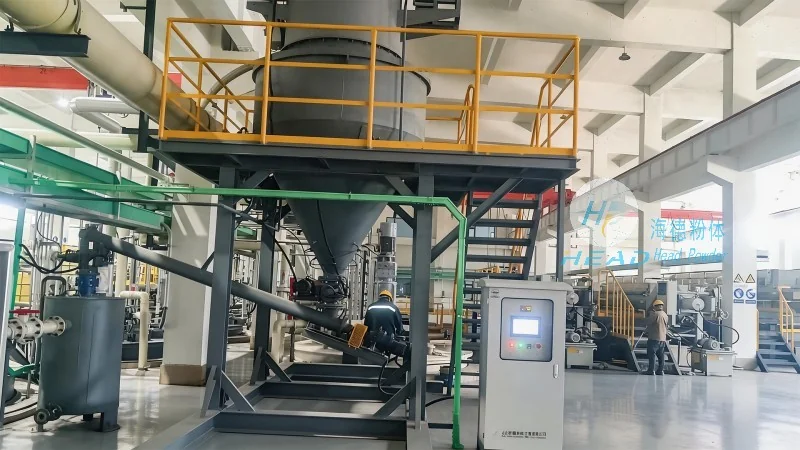
Compared to traditional mechanical conveying methods, pneumatic conveying offers several advantages for foundry sand applications. First, it eliminates the need for moving parts, reducing maintenance costs and increasing system reliability. Second, the system can handle abrasive materials without causing wear and tear on components, which is crucial for foundry sand that is often hard and corrosive. Third, pneumatic conveying allows for flexible layout designs, as the pipeline can be routed around obstacles or through different areas of the foundry. Additionally, the system can operate at high speeds, enabling faster material transport and improved production efficiency.
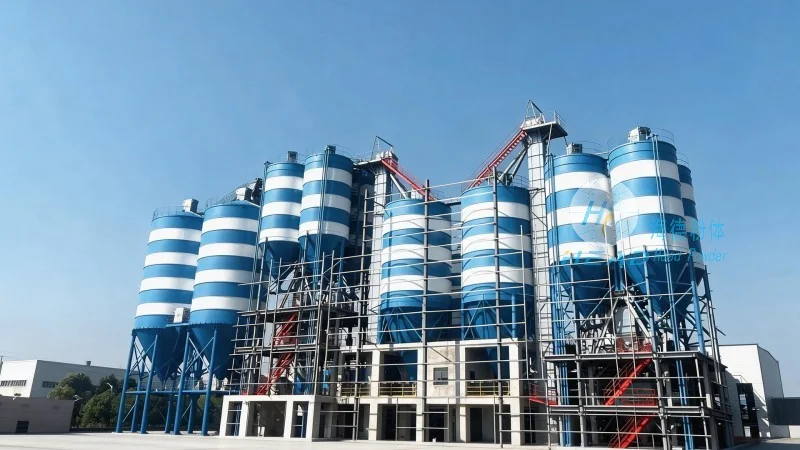
Pneumatic conveying systems are widely used in various foundry applications, including sand storage, mixing, and casting processes. They are particularly useful in large-scale foundries where the volume of sand handled is high, and the need for efficient material movement is critical. The technology also supports automation in foundry operations, as the system can be integrated with other equipment like mixers and molding machines. By improving the flow of sand, pneumatic conveying helps to reduce downtime and increase overall productivity in foundry production lines.
For businesses seeking to enhance their foundry operations with reliable and efficient material handling solutions, pneumatic conveying systems represent a smart investment. Shandong HeadPowder Engineering Co., Ltd., a leading provider of such systems, offers advanced pneumatic conveying solutions tailored to the specific needs of foundry industries. With a focus on quality and innovation, HeadPowder ensures that their systems meet the highest standards of performance and durability. Located in Shandong, China, the company leverages its expertise to deliver solutions that help foundries optimize their processes and achieve greater efficiency.

 Shandong Headpowder Engineering Co., Ltd.
 156-6277-7102(Manager Zhang)
  0531-83386006
  Zhangqiu District, Jinan City, Shandong Province, China
telephone
WeChatconsult
top