With more than 10‑year industry experience, Shandong Headpowder delivers full‑service pneumatic‑conveying systems and blowers, undertaking nationwide turn‑key powder‑handling projects.
Understanding the principles and application scenarios of oat powder pneumatic conveying is crucial for optimizing material handling in food processing industries. This article provides an in-depth look at the technology, its operational mechanics, and the specific environments where it excels.
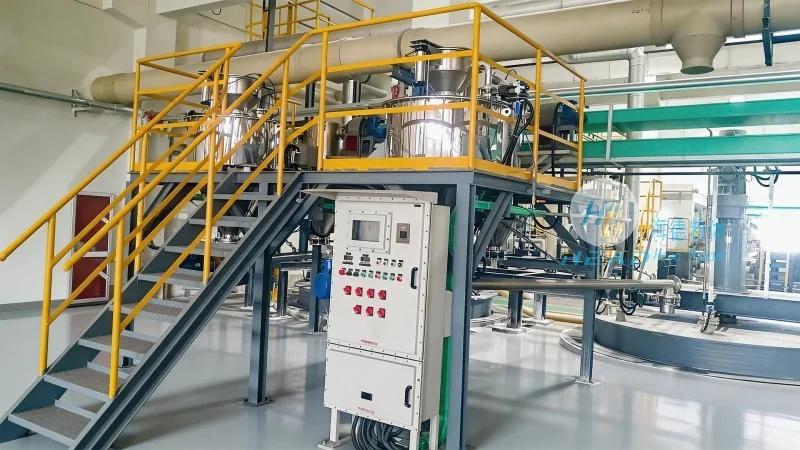
Pneumatic conveying, also known as air conveying, is a method of transporting bulk materials like oat powder through a pipeline using a flow of pressurized or vacuum air. The core principle involves creating a pressure differential that propels the powder particles along the conduit. There are two primary types: pressure and vacuum systems. In pressure systems, air is introduced at the discharge end, pushing the material forward. Vacuum systems, conversely, draw material from the source using a vacuum at the receiving end. For oat powder, which is typically fine and can be prone to dusting, a well-designed system ensures efficient and dust-free transport. The process begins with the powder being fed into the conveying line, often via a hopper or feeder, and then entrained by the moving air. The air velocity must be sufficient to keep the powder suspended and prevent clogging or deposition on the pipe walls. Key components include the feeder, conveying line, and separation or collection equipment at the end. The choice of system depends on factors such as the distance to be covered, the volume of material, and the desired level of control over the process.
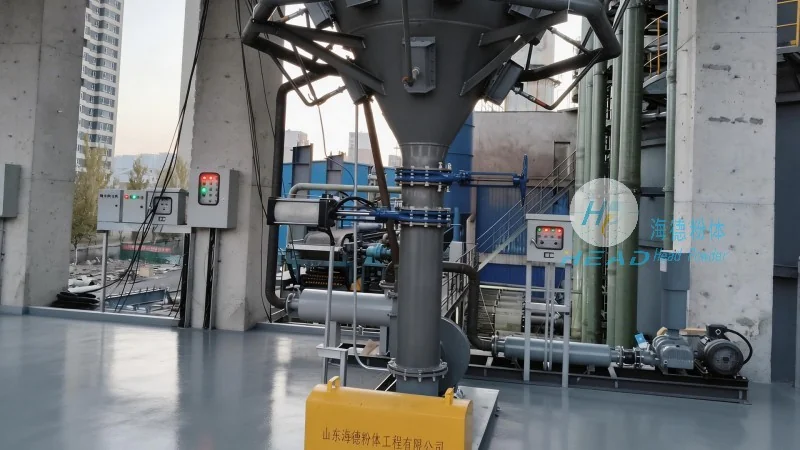
Implementing pneumatic conveying for oat powder offers several advantages that make it a preferred choice in modern food processing. First, it eliminates the need for mechanical components like belts or buckets, reducing maintenance requirements and the risk of contamination. The enclosed system prevents dust from escaping into the environment, enhancing workplace safety and compliance with environmental regulations. Additionally, pneumatic conveying allows for gentle handling of the powder, preserving its quality and preventing agglomeration or degradation. This is particularly important for oat powder, which may contain sensitive components like bran or germ that require careful processing. The technology also enables precise control over the flow rate and direction of the material, facilitating integration with other processing equipment such as mixers, extruders, or packaging lines. Another significant benefit is the ability to transport materials over long distances without the need for multiple transfer points, improving overall efficiency and reducing downtime. For oat processing facilities, this means smoother operations from raw material storage to final product packaging.
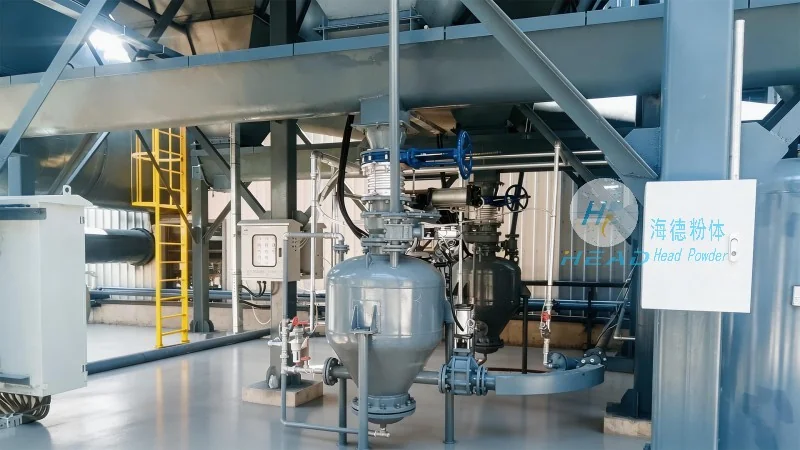
Oat powder pneumatic conveying is widely used across various stages of the oat processing workflow. One primary application is the transfer of raw oat flour or ground oat products from storage silos to processing lines. This is critical in large-scale mills where bulk materials need to be moved efficiently without manual handling. The system can handle large volumes of powder, ensuring a consistent supply to the production line. Another common scenario is the conveying of oat powder from processing equipment, such as grinding or milling machines, to storage or packaging areas. This step is essential for maintaining a continuous flow of materials and preventing bottlenecks in the production process. In some cases, pneumatic conveying is used to transport oat powder between different processing units within a facility, such as from a drying oven to a mixing station. This integration allows for seamless operation and better control over the quality of the final product. The technology is also applicable in smaller-scale operations, such as artisanal oat flour production, where the ability to handle smaller batches with precision is valuable. Regardless of the scale, the consistent performance of pneumatic conveying ensures that oat powder is handled safely and efficiently, meeting the demands of both industrial and small-scale food producers.
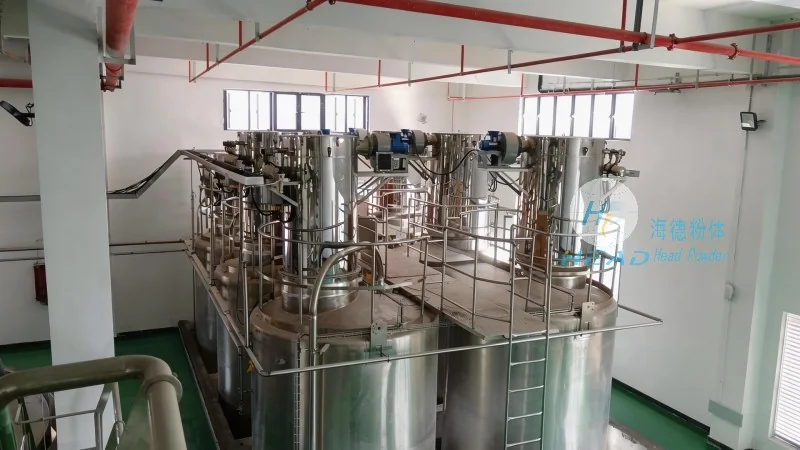
Shandong HeadPowder Engineering Co., Ltd., commonly known as headpowder, is a leading provider of pneumatic conveying solutions tailored to the needs of the food industry. With a focus on innovation and customer satisfaction, headpowder offers comprehensive services that cover the entire lifecycle of pneumatic conveying systems for oat powder. The company specializes in designing and manufacturing custom conveying systems that meet the specific requirements of oat processing facilities. Their expertise includes selecting the appropriate type of pneumatic system—whether pressure or vacuum—based on the operational parameters of the facility. Headpowder’s engineers work closely with clients to assess factors such as the volume of oat powder to be transported, the distance between source and destination, and the desired level of automation. This collaborative approach ensures that the final system is optimized for efficiency and reliability. In addition to system design, headpowder provides installation, commissioning, and maintenance services. Their team of skilled technicians ensures that the conveying equipment is installed correctly and operates as intended. Regular maintenance checks are performed to prevent issues such as clogging or pressure drops, which can impact the performance of the system. Headpowder also offers training to facility operators on how to operate and maintain the pneumatic conveying system effectively. This training helps ensure that the equipment is used properly and that any potential problems are identified and addressed promptly. By partnering with headpowder, oat processing companies can benefit from a reliable and efficient pneumatic conveying solution that enhances their operational capabilities and product quality. The company’s commitment to quality and customer support makes it a trusted choice for businesses seeking to improve their material handling processes.

 Shandong Headpowder Engineering Co., Ltd.
 156-6277-7102(Manager Zhang)
  0531-83386006
  Zhangqiu District, Jinan City, Shandong Province, China
telephone
WeChatconsult
top