

Principle and Working Scene Characteristics of Poultry Seasoning Powder Pneumatic Conveying
Pneumatic conveying technology is a critical method for transporting bulk powders, including poultry seasoning, from one location to another within industrial settings. This process involves the use of air to move the powder through a pipeline system, offering advantages such as dust control, reduced contamination, and efficient material handling. Understanding the underlying principles and specific application scenarios is essential for optimizing the operation and ensuring product quality in food processing industries.
Principle of Pneumatic Conveying
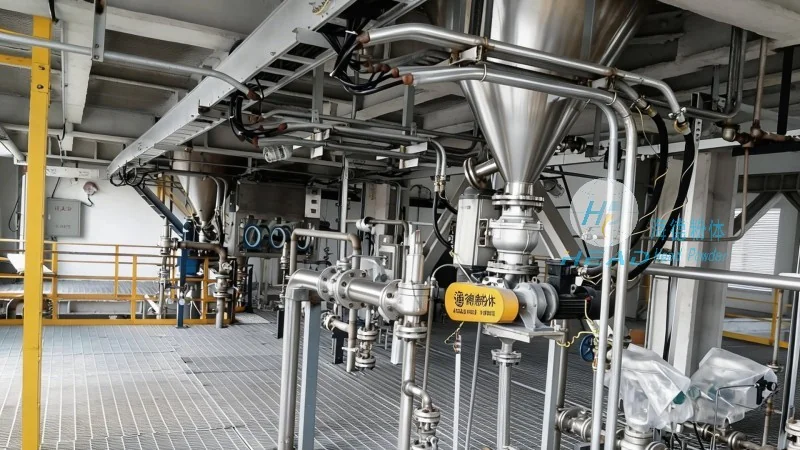
The core principle of pneumatic conveying for poultry seasoning powder relies on the generation of a pressure differential between the conveying line and the ambient environment. This is typically achieved through the use of a positive pressure system, where air is supplied to the system at a higher pressure than the surrounding atmosphere. The air, often mixed with the powder, is then forced through the pipeline, carrying the powder particles along with it. The system may also employ a combination of positive and negative pressure (a vacuum system) depending on the specific requirements of the application. The movement of the powder is governed by the balance of forces, including the drag force exerted by the air on the particles and the gravitational force acting on them. Proper design of the conveying line, including the size of the pipes, the angle of inclination, and the placement of components like inlets, outlets, and filters, is crucial for maintaining efficient flow and preventing blockages or material degradation.
Key Components and Their Functions
Several key components are integral to the operation of a pneumatic conveying system for poultry seasoning powder. These include the air compressor or vacuum pump, which provides the necessary pressure or suction to move the material; the hopper or storage silo, where the powder is initially stored and fed into the system; the conveyor line, which consists of pipes and fittings that transport the powder; and the receiver or discharge hopper, where the material is collected at the destination. Additionally, components such as rotary valves, airlocks, and filters are used to control the flow rate, prevent backflow, and maintain product purity. For poultry seasoning, which may contain moisture-sensitive or hygroscopic components, the system may incorporate drying or moisture control measures to preserve the product's quality during transport.
Working Scene Characteristics
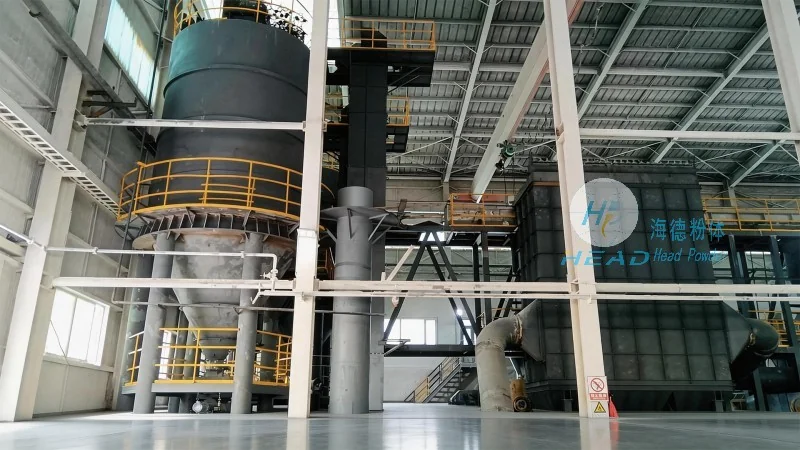
The application of pneumatic conveying for poultry seasoning powder varies across different industrial scenarios, each with its own unique characteristics and requirements. In food processing plants, for example, the system is often used to transfer the seasoning from bulk storage to processing lines or packaging stations. The working environment in such settings is typically clean and controlled, with strict adherence to hygiene standards to prevent cross-contamination. The conveying system may be integrated with other processing equipment, such as mixers or blenders, to ensure a seamless flow of material from one stage to the next.
Industrial Applications and Benefits
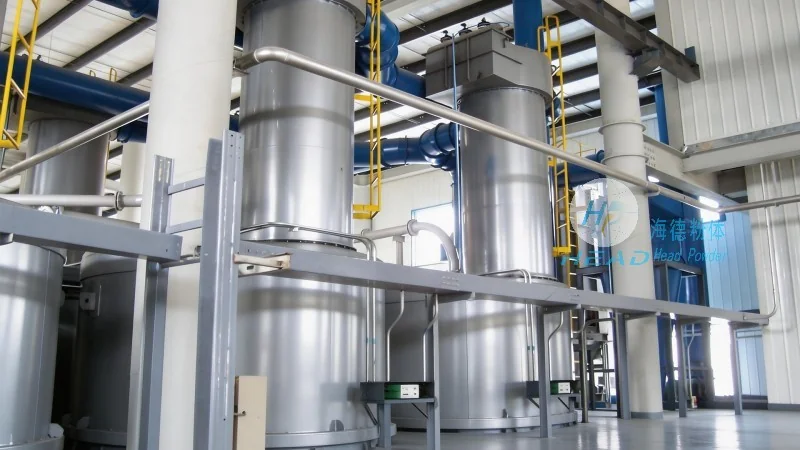
Pneumatic conveying is widely used in the poultry seasoning industry due to its ability to handle fine powders efficiently and with minimal product degradation. Some common applications include the transfer of seasoning from raw material storage to production lines, the movement of finished product from packaging to storage areas, and the return of waste or rejected material to reprocessing. The benefits of this technology include improved operational efficiency, reduced labor costs, and enhanced product quality through better control over the conveying process. Additionally, the system can be designed to handle varying flow rates and material characteristics, making it adaptable to different production scales and product types.
Considerations for Optimal Performance
To ensure the optimal performance of a pneumatic conveying system for poultry seasoning powder, several factors must be considered. These include the particle size and density of the powder, which affect the air velocity required for effective transport; the moisture content of the material, which can impact the system's efficiency and the need for drying; and the distance and elevation changes between the source and destination points. Proper maintenance of the system, including regular cleaning of filters and inspection of components, is also essential to prevent clogging and ensure consistent operation. In addition, the system should be designed with safety features, such as pressure relief valves and explosion-proof components, to comply with industrial safety regulations and protect personnel.