With more than 10‑year industry experience, Shandong Headpowder delivers full‑service pneumatic‑conveying systems and blowers, undertaking nationwide turn‑key powder‑handling projects.
In industrial material handling, efficient and reliable equipment is essential for smooth operations. Among the diverse options available, polypropylene pneumatic conveying systems have gained popularity for transporting dry bulk materials. These systems utilize air or gases as the conveying medium, offering benefits such as low maintenance, flexible layout, and the ability to handle various materials. This article explores what a polypropylene pneumatic conveying system is and examines its design principles, providing insights into how these systems are engineered for optimal performance.
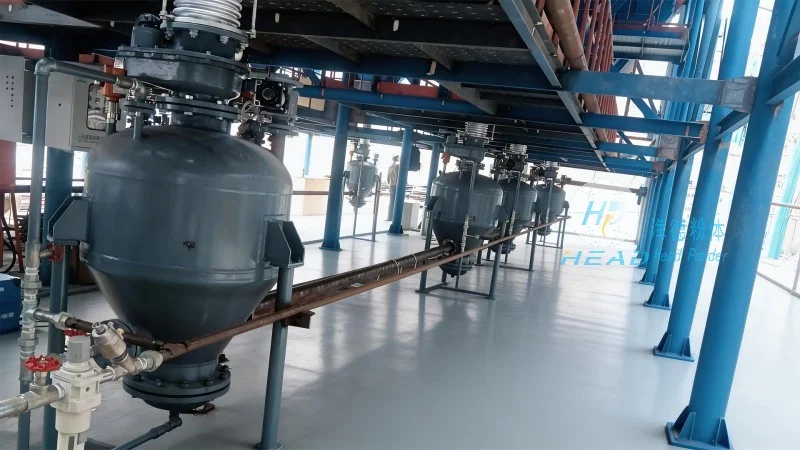
A polypropylene pneumatic conveying system is a type of pneumatic conveying equipment designed to move dry bulk materials using air or gas as the transport medium. The system typically includes key components like a material feeder, conveying line (often made of polypropylene), separation unit, and dust collector. The choice of polypropylene for the conveying line is significant due to its excellent chemical resistance, durability, and lightweight properties, making it suitable for handling diverse materials without degradation or corrosion.
The core of a polypropylene pneumatic conveying system consists of several critical components that work together to ensure efficient material transport. The material feeder introduces bulk material into the system at a controlled rate, preventing blockages and maintaining consistent flow. The conveying line, constructed from high-quality polypropylene, serves as the pathway for the material and air mixture. This line is engineered to withstand pressure and temperature conditions while preserving structural integrity. The separation unit, such as a cyclone or bag filter, separates the conveyed material from the air stream, allowing material collection and air recirculation or discharge. Finally, the dust collector captures fine particles, ensuring air quality and compliance with environmental regulations.
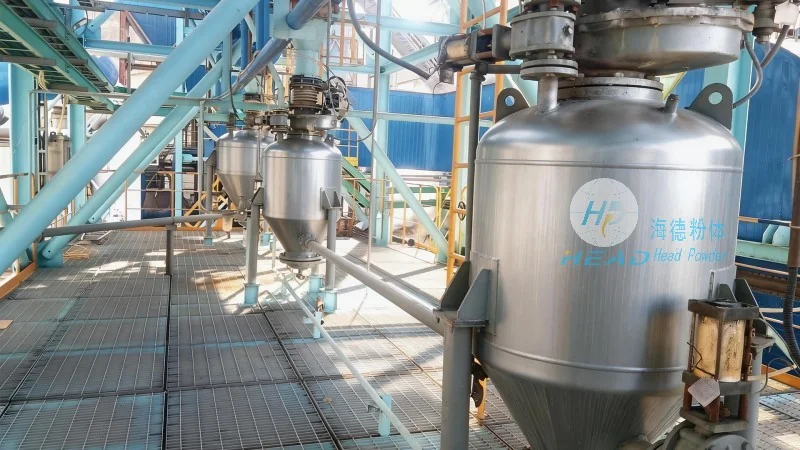
The design of a polypropylene pneumatic conveying system involves careful consideration of several factors to achieve efficient operation. A primary design principle is selecting appropriate air velocity and pressure. The air velocity must be sufficient to overcome material resistance in the pipe and prevent settling, yet not excessively high to avoid wear or energy waste. The pressure is determined by the conveying distance and material characteristics, such as density and particle size. Another crucial principle is accounting for material properties. Different materials vary in particle size, shape, and moisture content, affecting conveying behavior. For cohesive materials, specialized feeding mechanisms or higher air velocities may be required to prevent agglomeration. The system's layout and component arrangement also impact performance, with proper positioning minimizing pressure losses and enhancing efficiency.
Polypropylene pneumatic conveying systems offer several advantages over traditional methods. They can handle a wide range of materials, including powders, granules, and fine particles. The polypropylene material used in the conveying line resists chemicals and abrasives, making it suitable for corrosive or abrasive materials. These systems also require low maintenance compared to mechanical conveyors, reducing breakdown risks and operational costs. Their flexible layout allows easy integration into existing industrial facilities, adapting to various production needs.
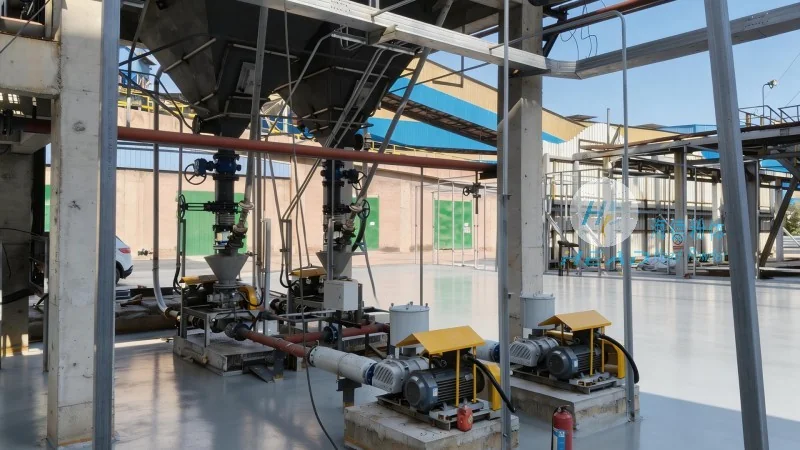
Polypropylene pneumatic conveying systems are widely used across multiple industries. In the food industry, they transport ingredients like flour, sugar, and spices, ensuring cleanliness and preventing contamination. The pharmaceutical industry employs these systems for handling active pharmaceutical ingredients (APIs) and other sensitive materials, maintaining strict hygiene and quality standards. The chemical industry uses them for transporting chemicals, solvents, and hazardous materials, while the mining industry moves minerals and ores from processing plants to storage facilities.
In summary, a polypropylene pneumatic conveying system is a sophisticated piece of equipment engineered to efficiently transport dry bulk materials using air as the conveying medium. Its design principles focus on optimizing air velocity, pressure, and material handling to ensure reliable operation. The use of polypropylene in the conveying line provides durability and resistance to environmental factors, making it a preferred choice for many industrial applications. As a leading manufacturer in this field, Shandong HeadPowder Engineering Co., Ltd. specializes in designing and manufacturing high-quality polypropylene pneumatic conveying systems tailored to industry-specific needs. With a commitment to quality and innovation, HeadPowder continues to provide reliable solutions for material handling challenges in industrial settings.

 Shandong Headpowder Engineering Co., Ltd.
 156-6277-7102(Manager Zhang)
  0531-83386006
  Zhangqiu District, Jinan City, Shandong Province, China
telephone
WeChatconsult
top