With more than 10‑year industry experience, Shandong Headpowder delivers full‑service pneumatic‑conveying systems and blowers, undertaking nationwide turn‑key powder‑handling projects.
Bamboo powder, a versatile material widely used in various industries such as paper manufacturing, building materials, and chemical processing, requires efficient and reliable handling methods. The bamboo powder pneumatic conveying machine is a specialized equipment designed to transport bamboo powder through air pressure, offering a solution to the challenges of handling fine powders. This article will delve into the fundamental concepts of this machine and its underlying design principles, providing a comprehensive understanding of its functionality and technical aspects.
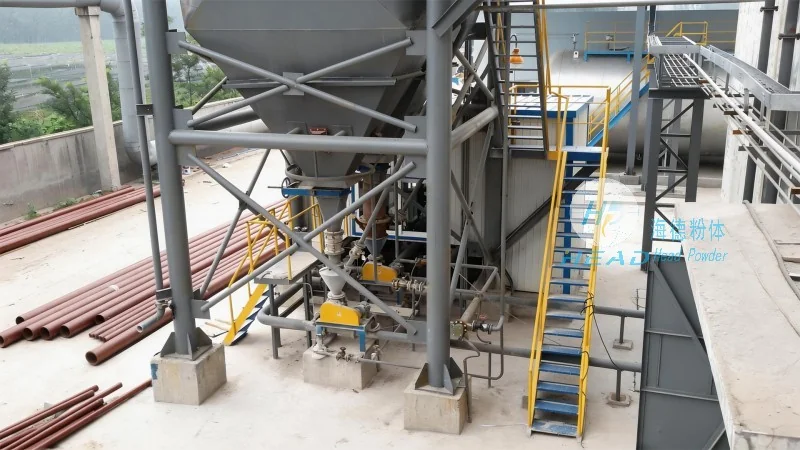
The bamboo powder pneumatic conveying machine, also known as a pneumatic conveyor, is a system that utilizes compressed air to move bamboo powder from one location to another. Unlike traditional mechanical conveyors, which rely on mechanical components like belts or screws, pneumatic conveyors operate by suspending the powder particles in a stream of air, allowing them to be transported through pipes. This method is particularly effective for handling fine, dusty, or abrasive materials like bamboo powder, which can be difficult to transport using conventional methods.
Shandong HeadPowder Engineering Co., Ltd., a prominent company based in Shandong, China, specializes in the design, manufacturing, and supply of high-quality pneumatic conveying equipment. With years of experience in the industry, HeadPowder has developed advanced solutions tailored to the unique characteristics of bamboo powder, ensuring efficient and safe transportation. The company's commitment to innovation and customer satisfaction has made it a trusted partner for businesses seeking reliable pneumatic conveying systems.
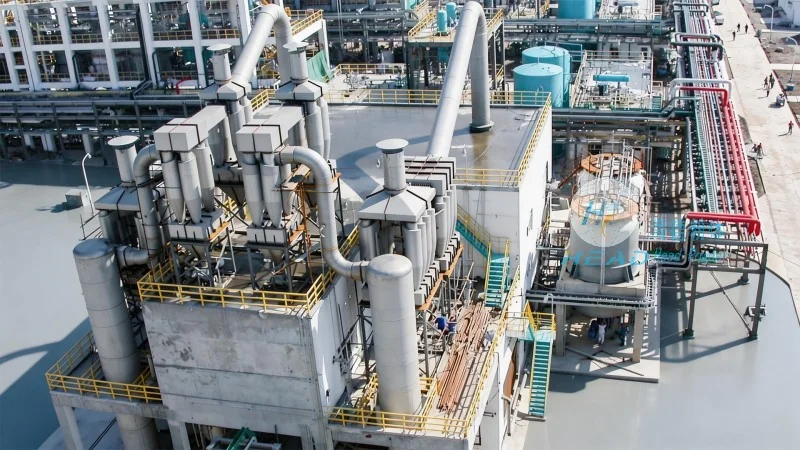
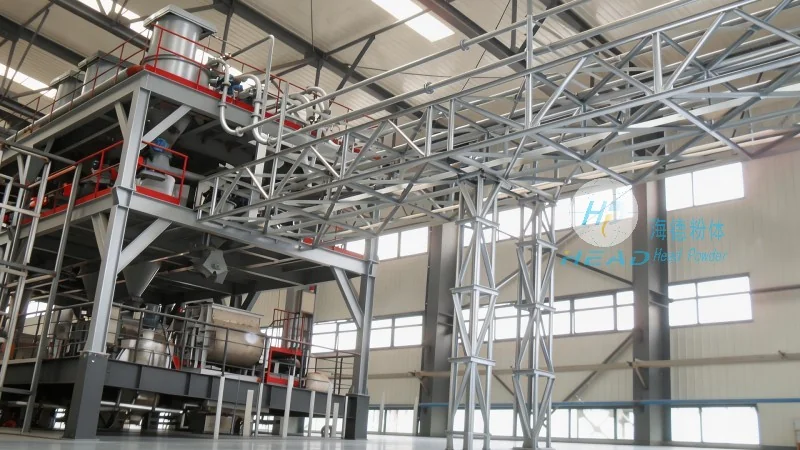
The design of a bamboo powder pneumatic conveying machine is based on several key principles that ensure optimal performance and efficiency. The primary principle is the use of air pressure to create a flow of powder particles. The machine typically consists of several components, including a feeding system, a conveying pipe, a separation system, and a discharge unit. Each component plays a crucial role in the overall operation of the system.
Firstly, the feeding system is responsible for introducing the bamboo powder into the conveying pipe. This system may include a hopper, a rotary valve, or a vacuum feeder, depending on the specific requirements of the application. The hopper stores the bamboo powder and feeds it into the system at a controlled rate, preventing overloading and ensuring a steady flow. The rotary valve or vacuum feeder then transports the powder into the conveying pipe, where it is mixed with compressed air.
Secondly, the conveying pipe is the main component that transports the bamboo powder. The pipe is usually made of durable materials such as stainless steel or plastic, which are resistant to corrosion and abrasion caused by the bamboo powder. The design of the pipe, including its diameter and length, is critical to the efficiency of the conveying process. A properly sized pipe ensures that the powder particles are suspended in the air stream, preventing blockages and ensuring smooth transportation.
Thirdly, the separation system is used to separate the bamboo powder from the air stream at the end of the conveying process. This system typically includes a cyclone separator or a bag filter, which uses centrifugal force or filtration to separate the powder from the air. The separated powder is then collected in a container, while the air is either recirculated or discharged to the atmosphere. The efficiency of the separation system is crucial to maintaining the quality of the bamboo powder and preventing dust emissions.
Finally, the discharge unit is responsible for releasing the bamboo powder from the conveying system. This unit may include a rotary valve or a pressure relief valve, which controls the flow of powder out of the system. The discharge unit is designed to prevent dust leakage and ensure a clean and safe operation.
Bamboo powder pneumatic conveying machines offer several advantages over traditional mechanical conveyors. One of the main advantages is the ability to handle fine and dusty materials without causing blockages or contamination. The pneumatic system also provides a more hygienic and clean operation, as the powder is contained within the pipes and separated from the environment. Additionally, the machine can be easily integrated into existing production lines, reducing the need for additional equipment and space.
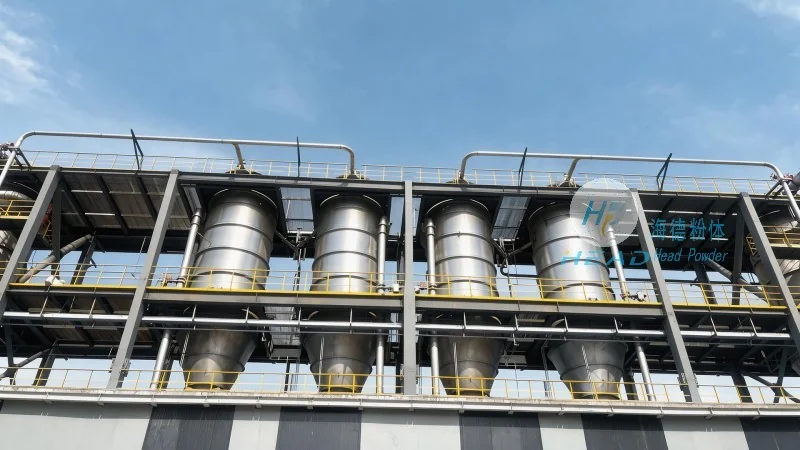
Another advantage is the flexibility of the system. The conveying distance and speed can be adjusted by changing the air pressure and pipe diameter, allowing for customization to meet the specific needs of the application. The system can also be designed to handle different types of bamboo powder, such as different particle sizes or moisture content, by adjusting the feeding rate and air flow.
In conclusion, the bamboo powder pneumatic conveying machine is a highly effective and efficient solution for handling bamboo powder. Its design is based on the principles of air pressure and particle suspension, providing a reliable and safe method for transporting fine powders. With the expertise of companies like Shandong HeadPowder Engineering Co., Ltd., businesses can benefit from advanced pneumatic conveying systems that meet their specific requirements and improve their production processes. By understanding the design principles and advantages of these machines, industries can make informed decisions when selecting the appropriate equipment for their bamboo powder handling needs.

 Shandong Headpowder Engineering Co., Ltd.
 156-6277-7102(Manager Zhang)
  0531-83386006
  Zhangqiu District, Jinan City, Shandong Province, China
telephone
WeChatconsult
top