With more than 10‑year industry experience, Shandong Headpowder delivers full‑service pneumatic‑conveying systems and blowers, undertaking nationwide turn‑key powder‑handling projects.
Understanding the technology and design principles of tailings slurry pneumatic conveyors is crucial for efficient mineral processing operations. This article provides an in-depth look at these systems, focusing on their functionality, key components, and the engineering principles that underpin their operation.
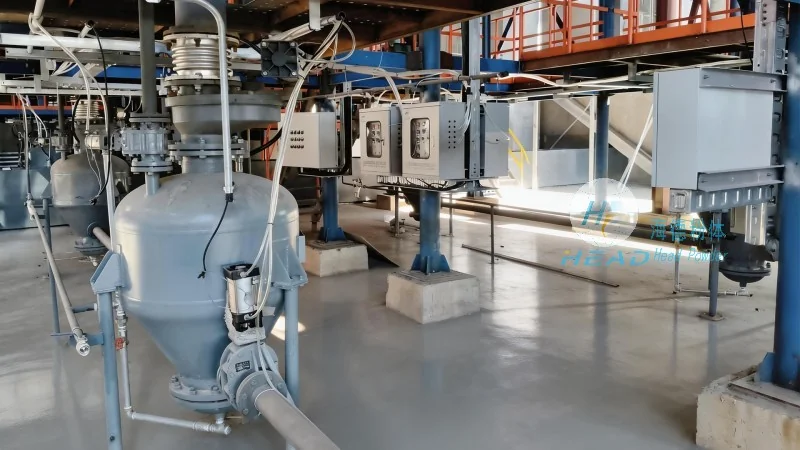
A tailings slurry pneumatic conveyor is a specialized piece of equipment used in the mining industry to transport tailings—a mixture of fine rock particles and water—from the processing plant to disposal sites or storage facilities. Unlike traditional mechanical conveyors, these systems use compressed air to move the slurry through a pipeline, offering advantages such as flexibility, reduced maintenance, and the ability to handle abrasive materials without significant wear.
The core components of a tailings slurry pneumatic conveyor system include the slurry feed hopper, the air compressor, the pipeline network, and the discharge equipment. The slurry feed hopper is designed to hold the tailings slurry and feed it into the pipeline at a controlled rate. The air compressor provides the necessary pressure to move the slurry through the pipeline, while the pipeline network transports the mixture to the discharge point. The discharge equipment, such as a valve or a spray nozzle, controls the release of the slurry at the destination.
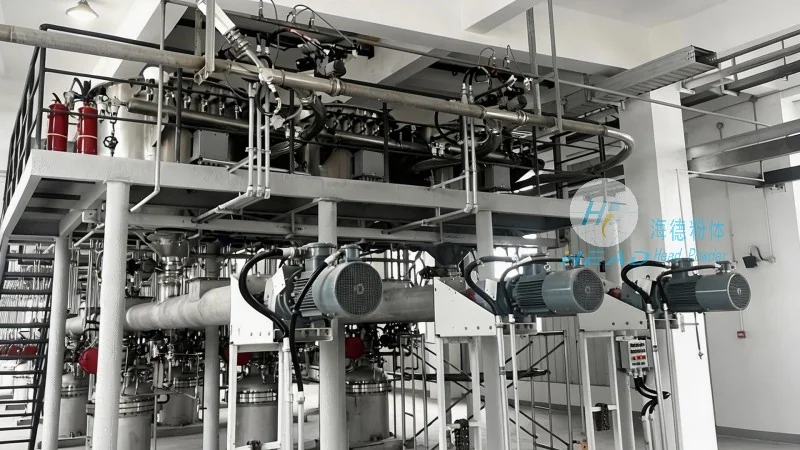
The design of a tailings slurry pneumatic conveyor is based on several key principles to ensure efficient and reliable operation. One of the primary considerations is the velocity of the air-slurry mixture within the pipeline. The velocity must be high enough to prevent the slurry from settling out but low enough to avoid excessive wear on the pipeline and components. Engineers use fluid dynamics principles to calculate the optimal velocity and pressure required for the specific slurry characteristics, such as particle size, density, and viscosity.
Another critical design aspect is the selection of materials for the pipeline and components. Tailings slurry can be highly abrasive, so materials like stainless steel, polyethylene, or specialized coatings are often used to minimize wear and extend the system's lifespan. The system also incorporates features to handle variations in slurry flow, such as variable speed drives for the air compressor and adjustable feed mechanisms to maintain consistent pressure and flow rates.
Compared to traditional conveyors, tailings slurry pneumatic conveyors offer several advantages. They are more flexible, as the pipeline can be routed around obstacles or changed to accommodate site modifications. They also require less space and can be installed in areas with limited access. Additionally, these systems are more energy-efficient in some cases, as they can use less power to move the slurry over long distances compared to mechanical systems. The ability to handle abrasive materials without significant wear also reduces maintenance costs and downtime.
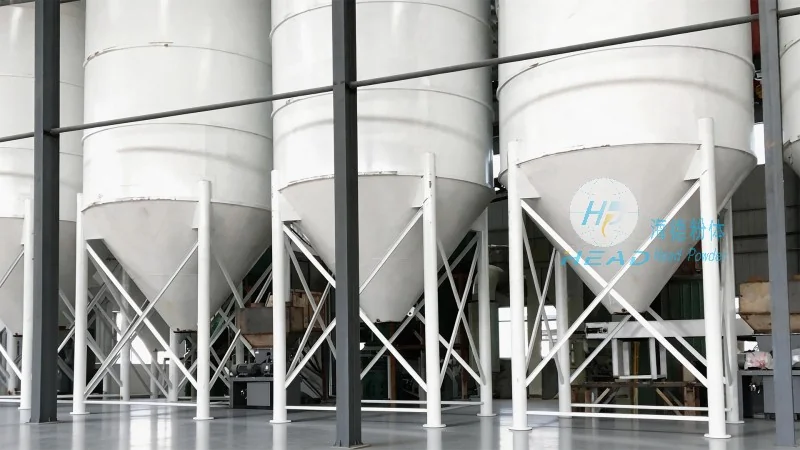
Tailings slurry pneumatic conveyors are widely used in various mining operations, including copper, gold, and iron ore processing. They are particularly useful for transporting large volumes of tailings over long distances, such as from a processing plant to a tailings dam or a disposal site. The systems are also employed in reclamation projects, where the tailings are transported to areas for rehabilitation. In some cases, the slurry is used for backfilling or other secondary applications, making the conveyor system an integral part of the overall mining process.
Tailings slurry pneumatic conveyors are essential equipment in modern mining operations, providing an efficient and reliable method for transporting tailings. The design principles and engineering considerations involved in these systems ensure that they can handle the challenging conditions of mineral processing while minimizing costs and maximizing operational efficiency. As the mining industry continues to evolve, these systems will remain a critical component of sustainable and effective tailings management.

 Shandong Headpowder Engineering Co., Ltd.
 156-6277-7102(Manager Zhang)
  0531-83386006
  Zhangqiu District, Jinan City, Shandong Province, China
telephone
WeChatconsult
top